Still open after 100+ yearsWhat are shinise?
Taste a century
of Japanese food.
Soba, eel, tempura, sushi, wagashi and more.Restaurants and sweet shops in Kyoto, Tokyo and nearby, each founded over 100 years ago.Eat each dish where its story began.
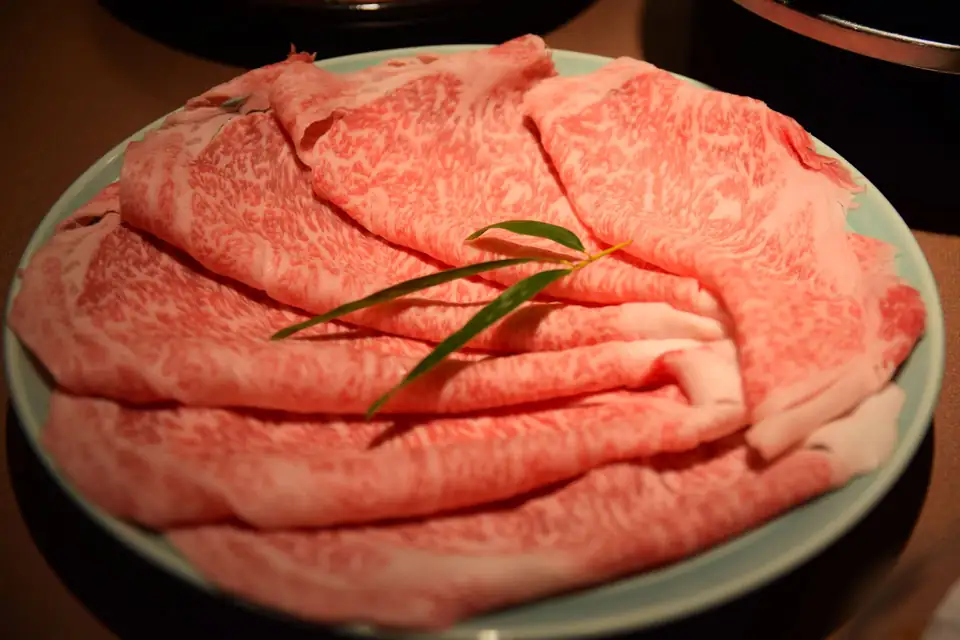
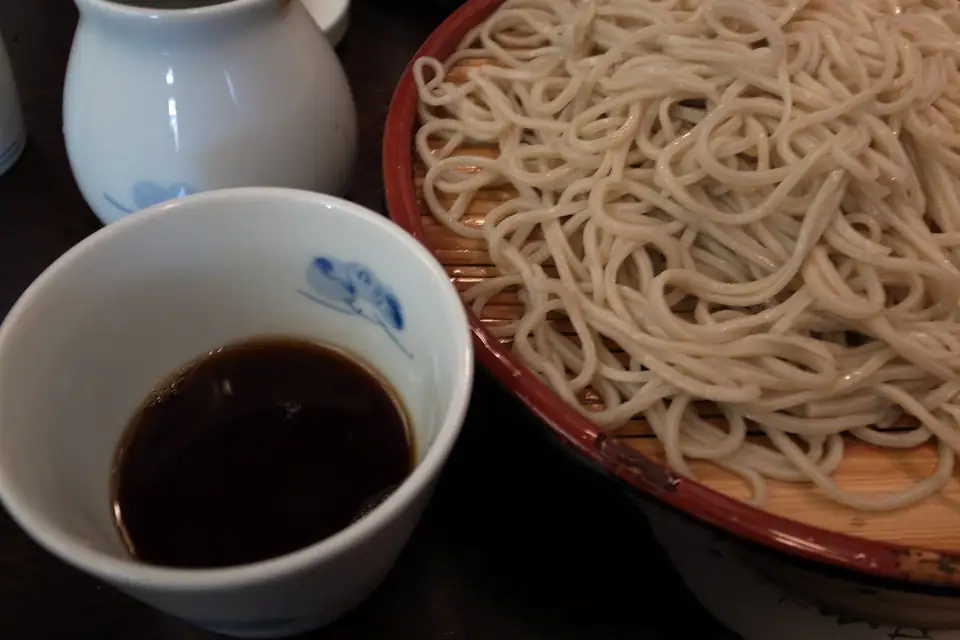
Century-old specialties
Each has been made for over a hundred years. Pick one that tempts you and read the shop’s story.
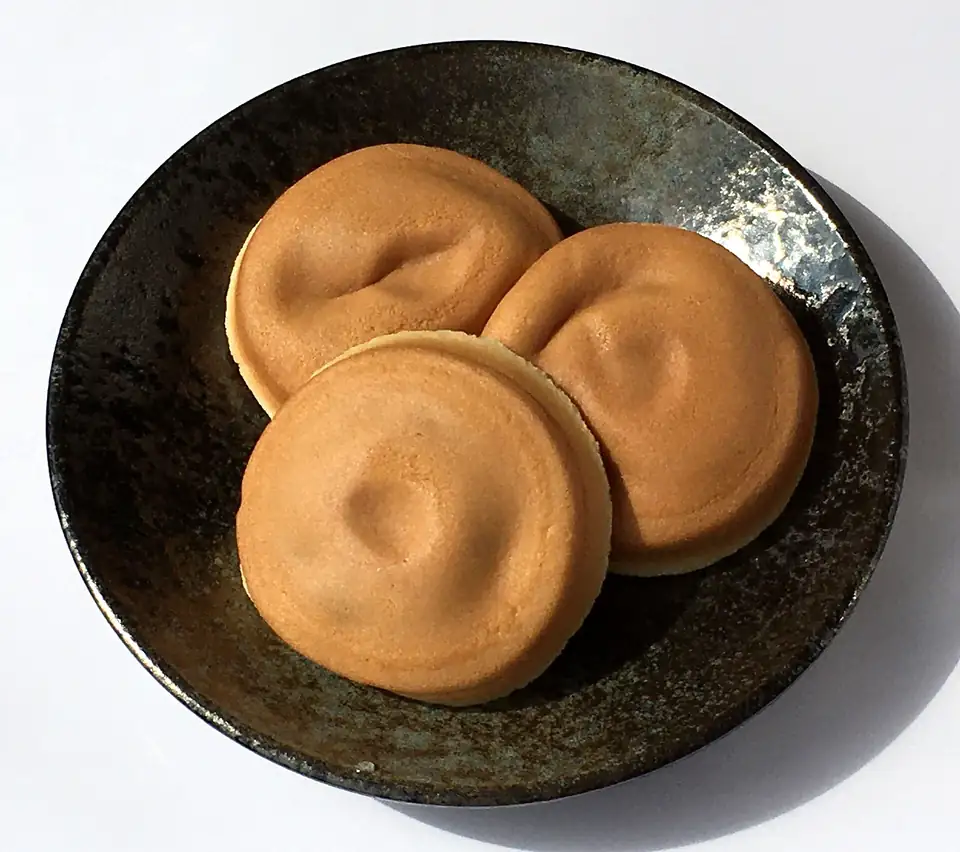 Est. 1856
Ajari-mochiAjari-mochi Honpo Mangetsu (main shop)Kyoto
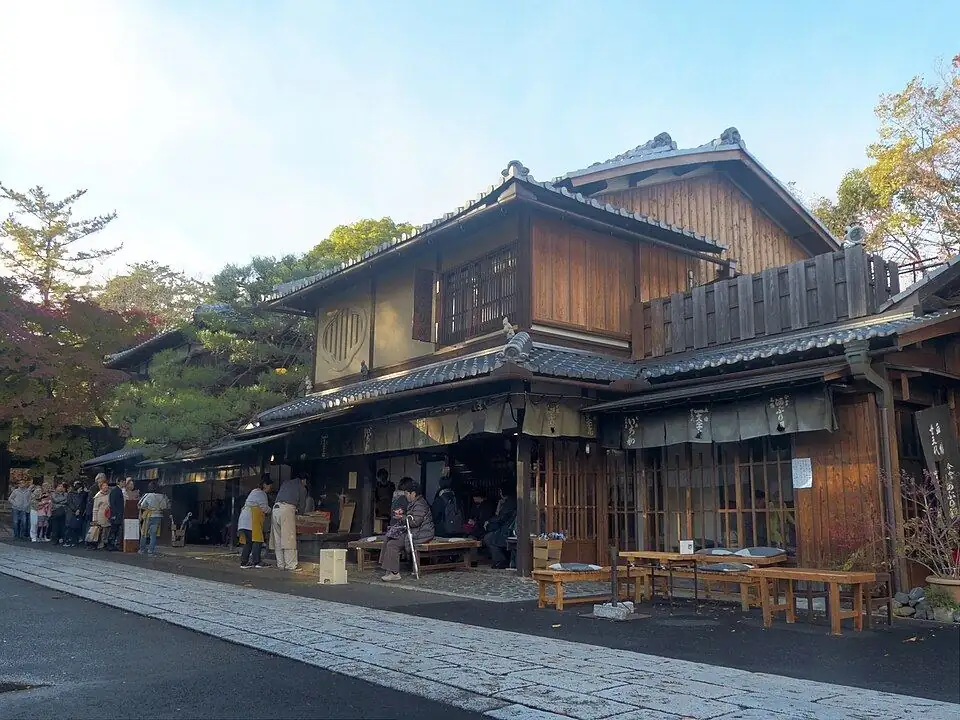 Est. 1000
Aburi-mochi (grilled rice cakes)Ichimonjiya Wasuke (Ichiwa)Kyoto
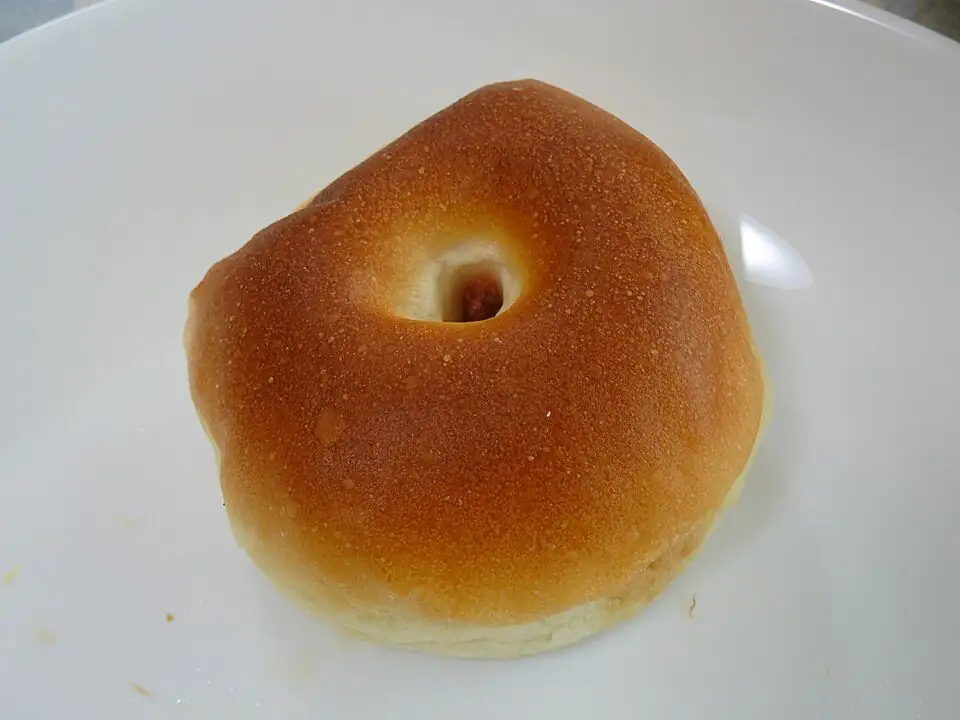 Est. 1869
Sakadane anpan (cherry blossomGinza KimurayaTokyo
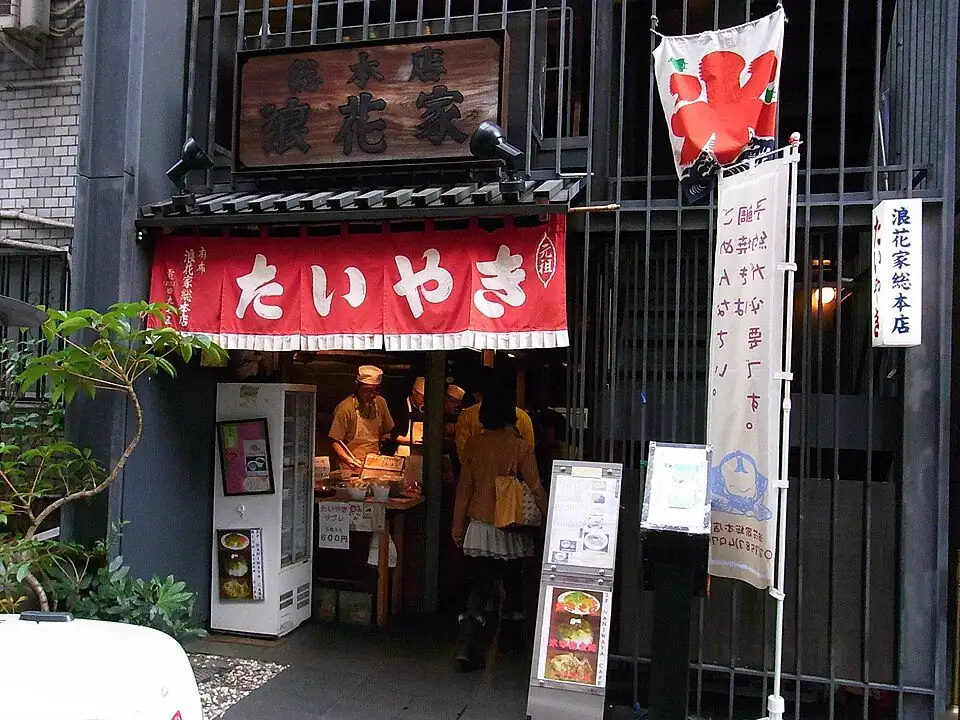 Est. 1909
Taiyaki baked one at a timeNaniwaya SohontenTokyo
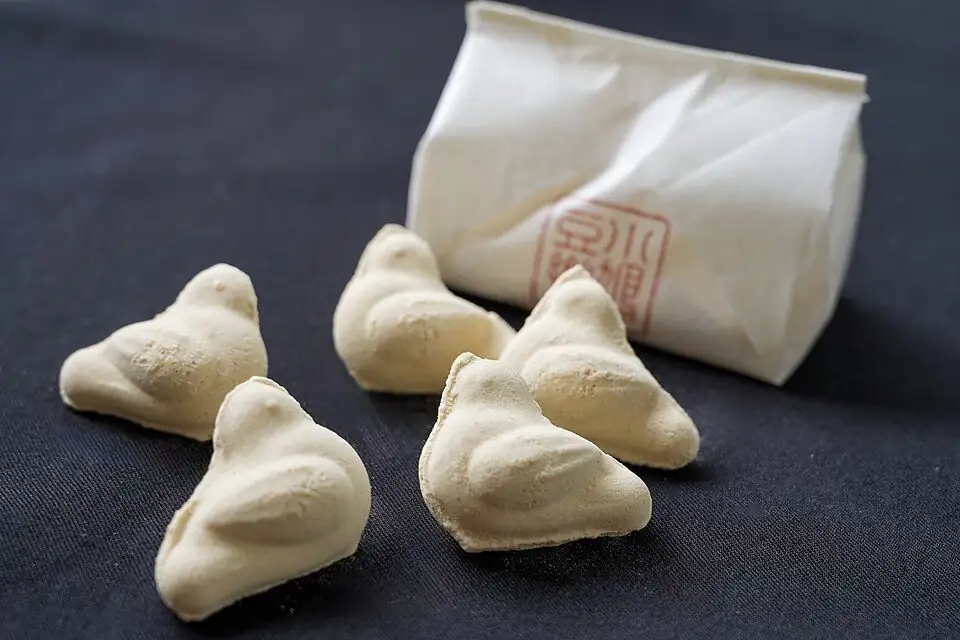 Est. 1894
Hato sable (dove-shaped butter cookies)Toshimaya (main shop)Kanagawa
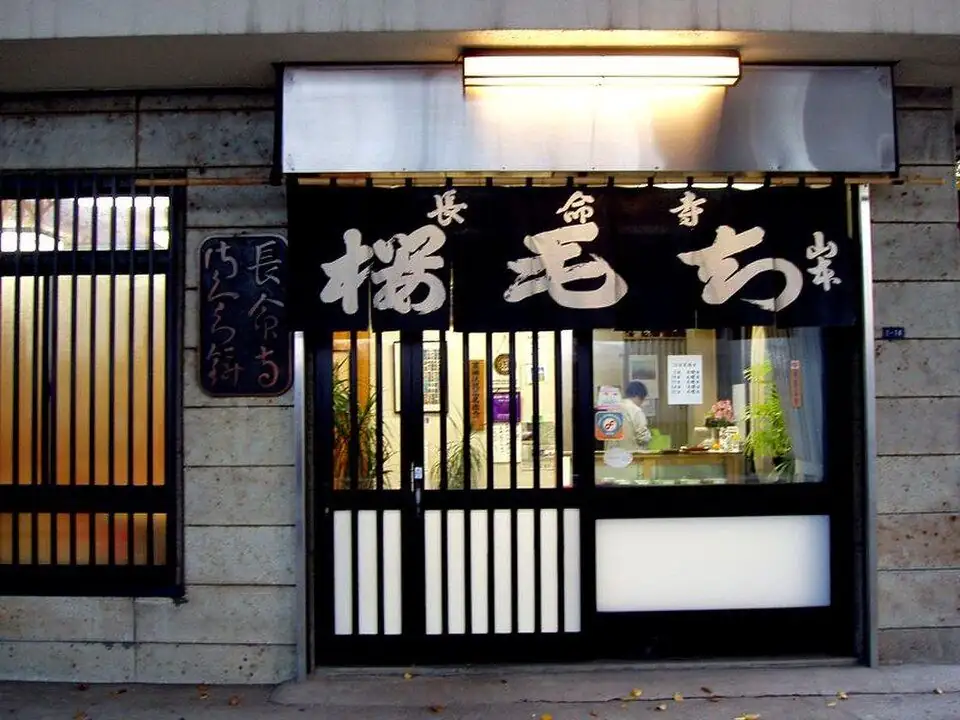 Est. 1717
Sakuramochi (bean-paste crepes wrapped in cherry leaves)Chomeiji Sakuramochi YamamotoyaTokyo
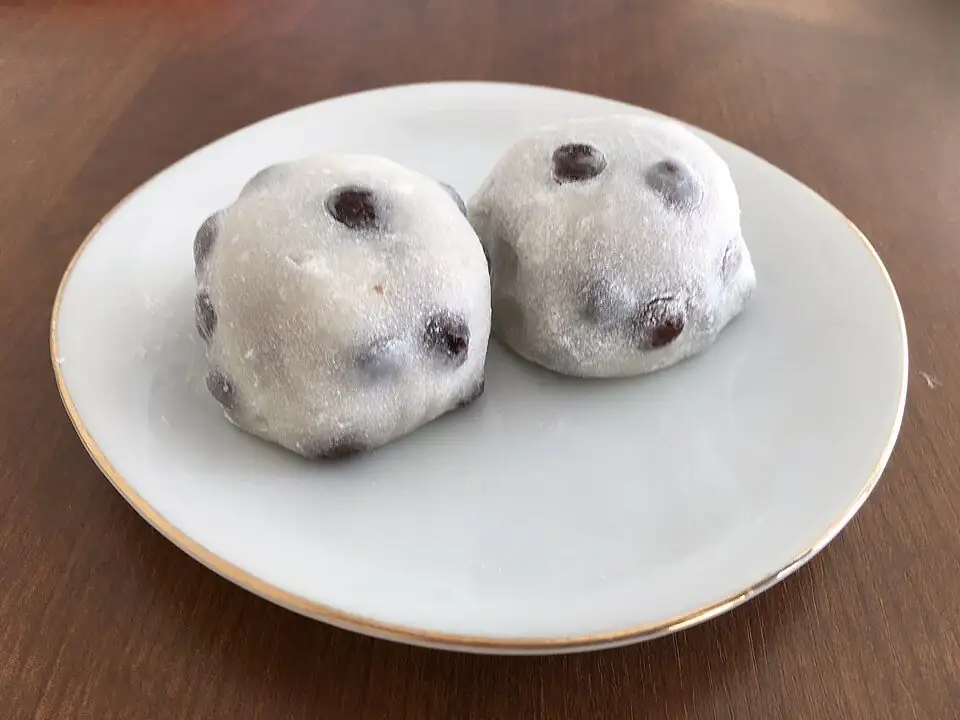 Est. 1899
Mame-mochi (bean rice cake) and seasonal mochi sweetsDemachi FutabaKyoto
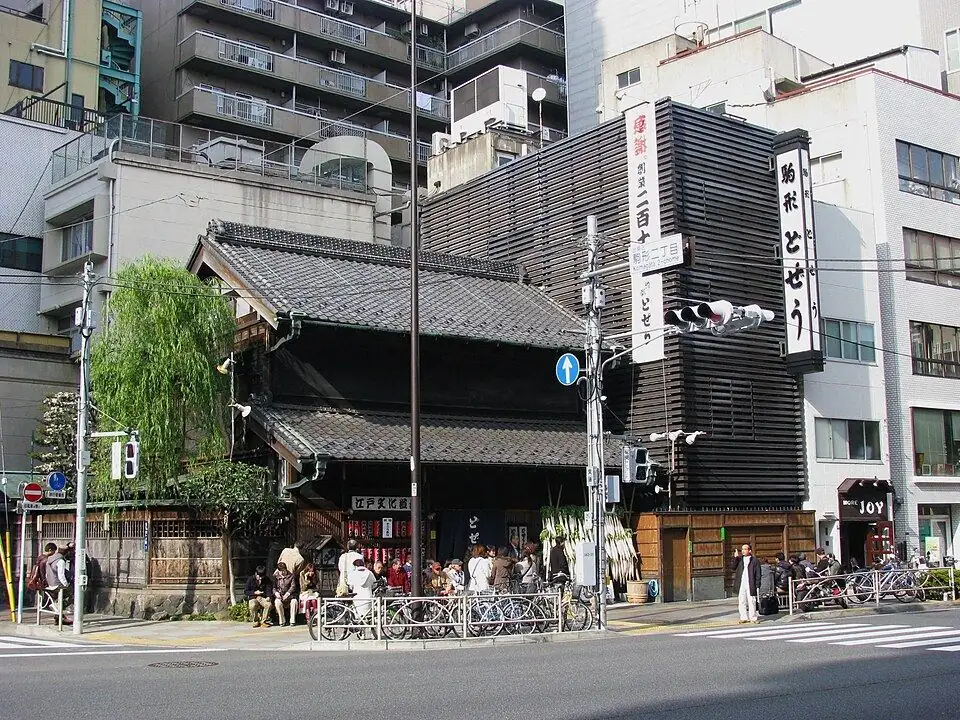 Est. 1801
Dozeu nabe (loach hot pot)Komagata Dozeu (main shop)Tokyo
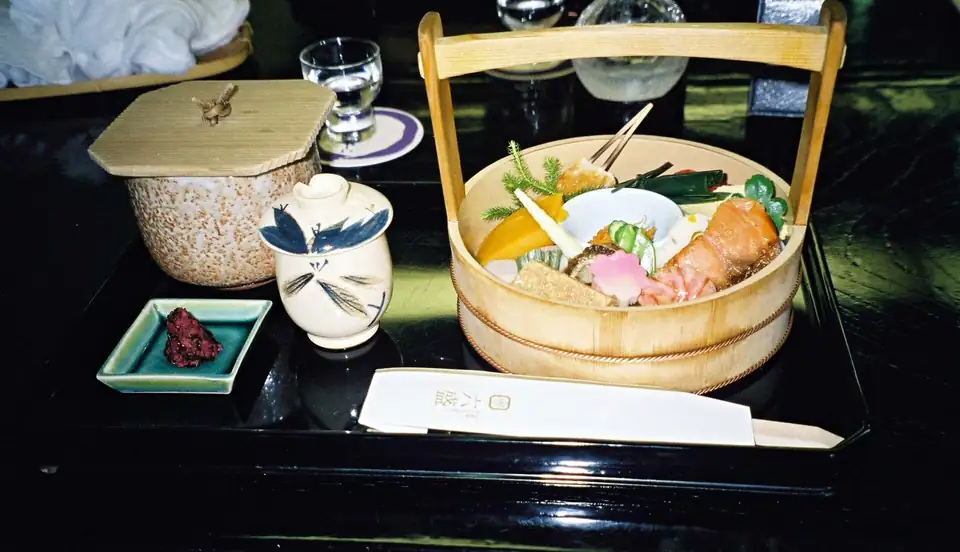 Est. 1899
Teoke bentoKyo-ryori RokuseiKyoto
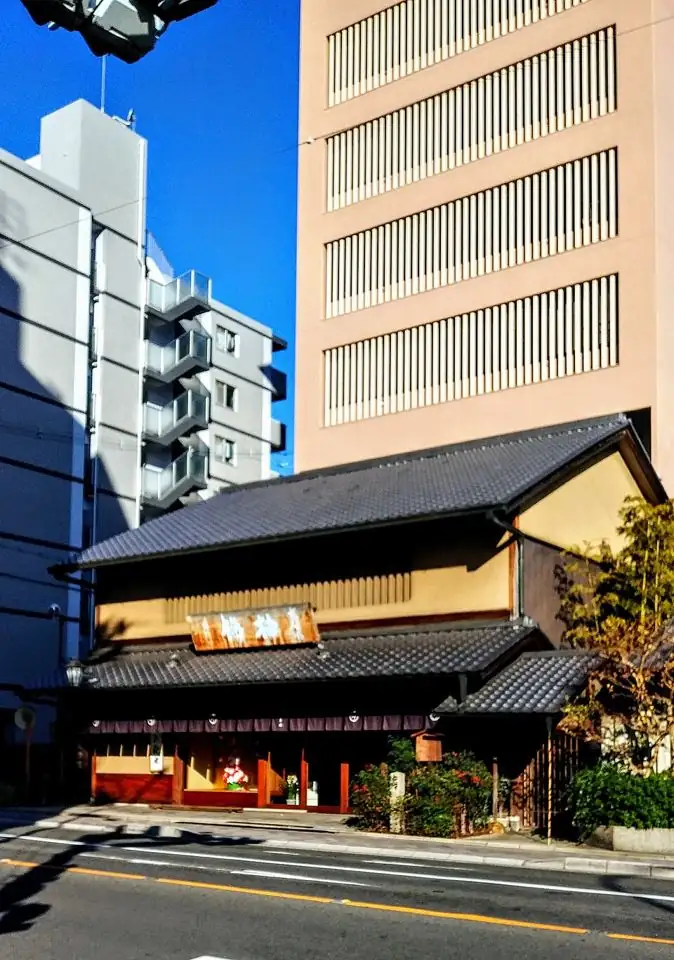 Est. 1803
YumochiTsuruya Yoshinobu (main shop)Kyoto
Find on the map
Open the shop mapTokyo76 shops
Each pin shows a founding year. Numbered circles group nearby shops; tap one for a list.
Origins
Anpan, oyakodon, omurice: the shops where these familiar dishes are said to have begun are still open.
← Scroll sideways →
Through Japan’s eras, one shop each
73 shops: one for each Japanese era name, and one for each year of the Meiji and Taisho eras. Colors show the period.
The same flavor as a century ago,
still served today.
From the 200 shops we list, each open for 100+ years.
Said to date from the year 1000.
Heian-period aburi-mochi, still served today.
Ichimonjiya Wasuke (Ichiwa), Kyoto: the oldest shop we list.
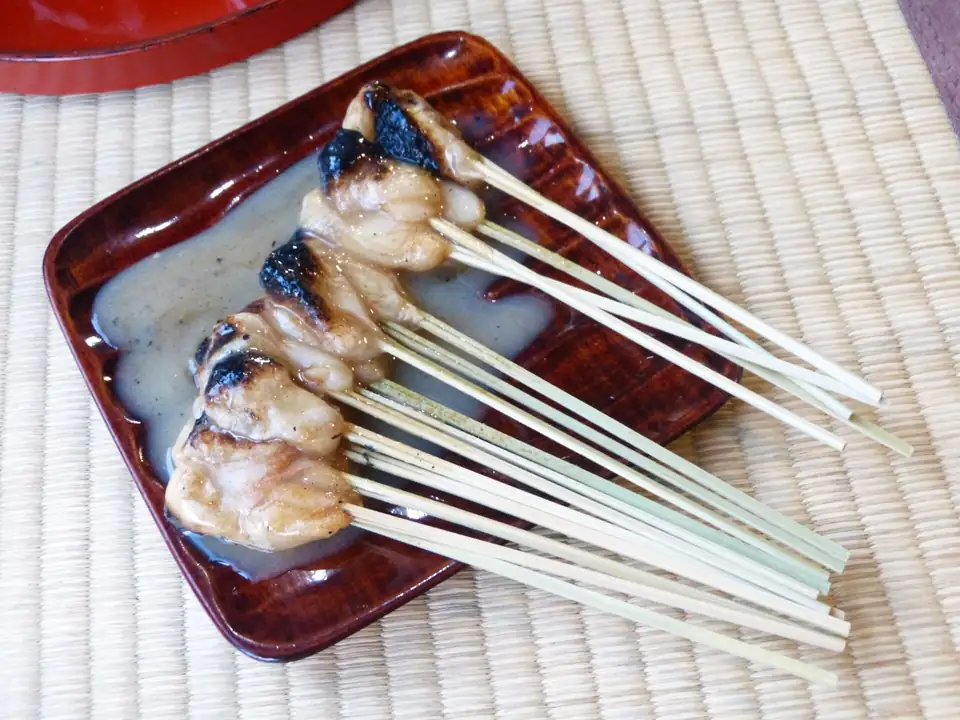
Photo: Hisagi · CC BY-SA 4.0 · Wikimedia Commons
Walks
All walks (16)Stories
See all- Dozeu: loach restaurants of old Tokyo in Asakusa, Azumabashi and KandaLoach restaurants in Asakusa write the word as dozeu, a spelling said to date from a great fire in Edo. This story visits five places over 100 years old tied to loach in Asakusa, Azumabashi and Kanda.Read
- Amazake at Kanda Myojin and an underground koji cellarNear the great torii of Kanda Myojin, Edo’s guardian shrine, two shops make amazake from koji: one said to date from 1616, when the shrine moved to its present site, and one from 1846 that grows koji in a cellar 6 m underground. This story follows them, an eel restaurant below the shrine and a sake maker, with sources.Read
- A thousand years at the gate: aburi-mochi and a tea house in KyotoAn aburi-mochi teahouse on the approach to Imamiya Shrine is said to date from 1000, and a tea house at the foot of Uji Bridge from 1160. This story follows five shops at the gates of Murasakino and Uji in Kyoto, with sources.Read
Taste what someone
ate a century ago.
Save the shops you want to visit in your notebook and find them again before you go.
Our promises
- 一We check before we write
Founding years and histories are confirmed in at least two sources. Where they disagree, we say so.
- 二We never take a shop’s photos without permission
Photos come from the shops themselves or are freely licensed by their photographers.
- 三We listen to the shops first
If a shop would rather not be listed, we take the page down right away.
For shops