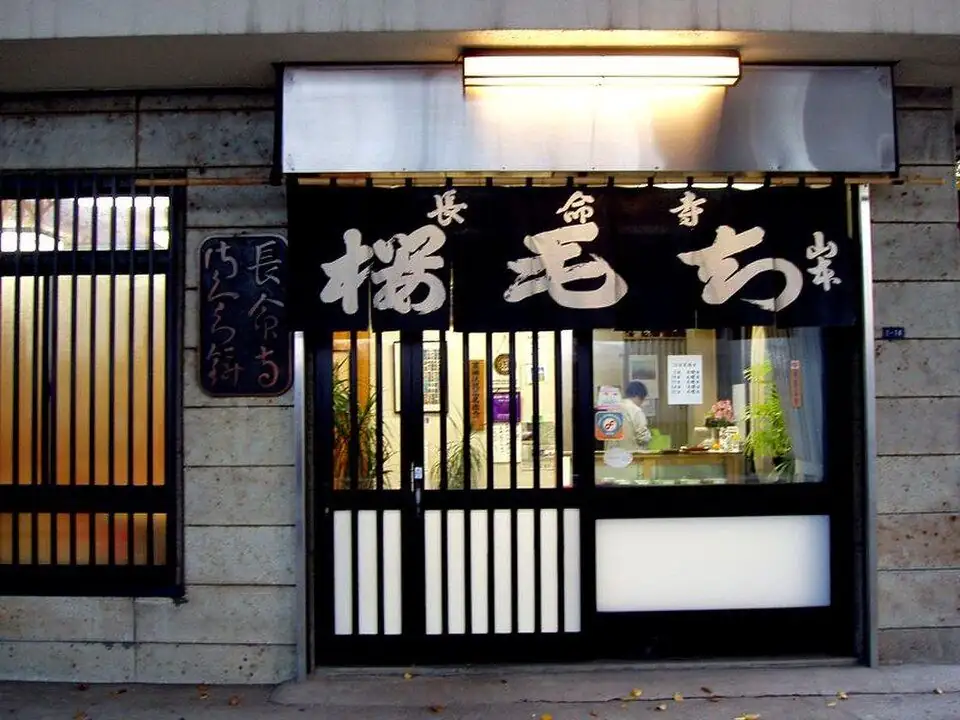
Chomeiji Sakuramochi Yamamotoya
In Japanese: 長命寺桜もち 山本や
Est. 1717
Chomeiji Sakuramochi Yamamotoya is a sakuramochi shop at the gate of Chomeiji Temple, on the east bank of the Sumida River in Tokyo, open since 1717. Sakuramochi are sweets wrapped in salted cherry leaves. The founder, a gatekeeper at the temple, is said to have first sold them here. Each is a thin crepe filled with smooth bean paste and wrapped in leaves.
- What to try
- Sakuramochi(bean-paste crepes wrapped in cherry leaves)
- Address
- 5-1-14 Mukojima, Sumida-ku, Tokyo
- Getting there
- About a 15-minute walk from Oshiage Station (Tokyo Metro)
- At the shop
- Eat inTake out
- Founded
- 1717
- Era
- Edo period
- Food
- Wagashi
Dishes said to begin here
- Kanto-style sakuramochi
In 1717, Yamamoto Shinroku, a gatekeeper at Chomeiji Temple, is said to have pickled leaves from the cherry trees on the Sumida River embankment in salt in a barrel, wrapped rice cakes in them and sold them at the temple gate.
More about Kanto-style sakuramochi →
About Chomeiji Sakuramochi Yamamotoya
The founder, Yamamoto Shinroku, was a gatekeeper at Chomeiji Temple, and sweeping up the cherry leaves that fell from the Sumida River embankment was his hardest chore. Tradition says that in 1717 he salted the leaves in barrels, wrapped rice cakes in them and sold them at the temple gate. The embankment became a cherry-blossom spot after the shogun Tokugawa Yoshimune planted cherry trees there, and the sweets became known as a specialty of Edo.145
The wrapper is a batter of wheat flour and water, baked into an oval, and each one is still made by hand. It is filled with smooth bean paste made from Hokkaido azuki beans and wrapped in leaves of the Oshima cherry. The leaves arrive already salted, and the shop washes and checks each one. The shop suggests removing the leaves before eating.346
Since the Edo period the shop has made nothing but sakuramochi. It serves one sakuramochi with tea to eat in, and materials on its history are on display. To take home, you can buy a single piece, a box or a traditional basket. The founder’s granddaughter appeared in an ukiyo-e print, and the poet Masaoka Shiki is said to have lodged upstairs for about three months as a student.12347
It is about a 15-minute walk from Oshiage Station (Tokyo Metro) and about 12 minutes from Hikifune Station (Tobu). Long lines form in cherry-blossom season, when it is take-out only. In March and April, reservations are given priority. No preservatives are used, so eat them on the day you buy them.1267
History
- 1717
Yamamoto Shinroku begins selling sakuramochi at the gate of Chomeiji Temple.
- 1824
Records show 31 barrels of salted leaves used this year.
At the shop
Stories
Photos2 photos
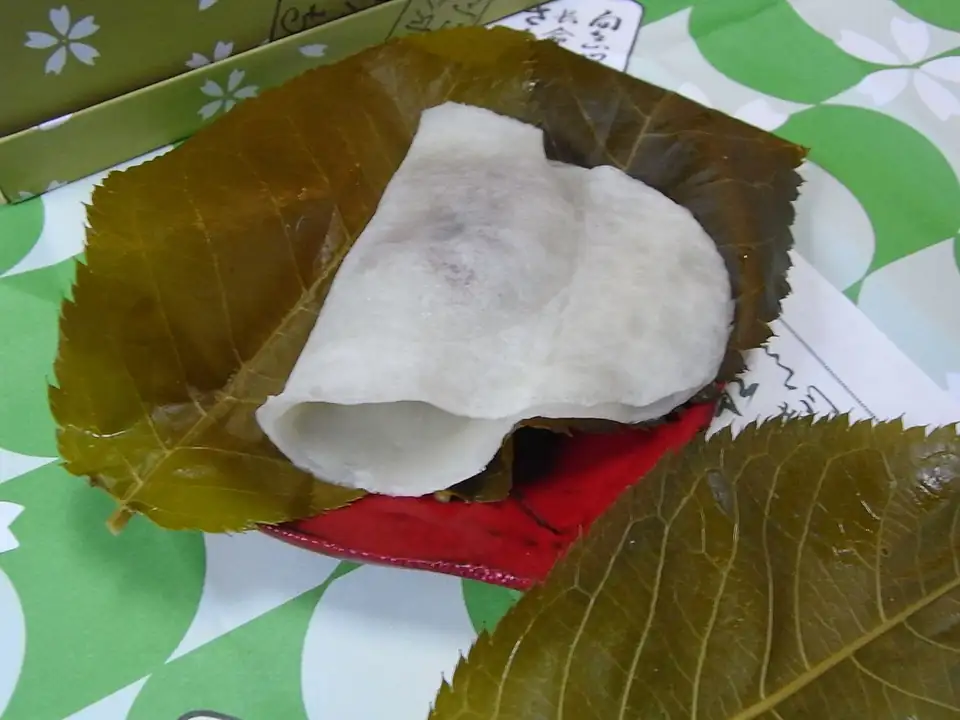
Sakuramochi (rice cakes wrapped in salted cherry leaves)Photo: 江戸村のとくぞう · CC BY-SA 4.0 · Wikimedia Commons
Compiled by our editors from public sources. We warmly welcome corrections from the shop.
Walks including this shop
Nearby
Same food
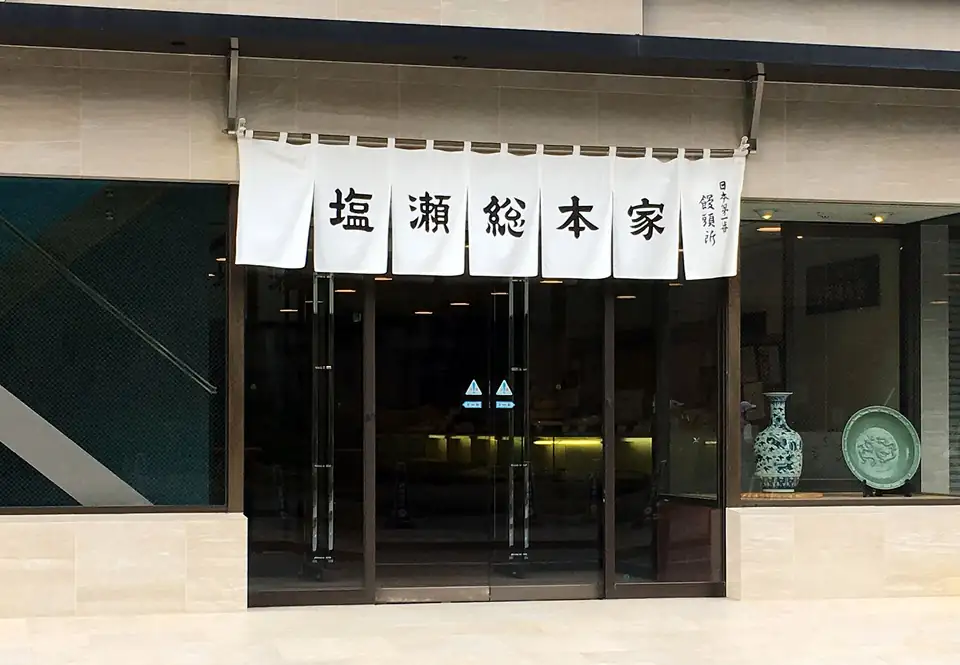 Est. c. 1349Shiose SohonkeShiose manju (steamed buns with yam and rice-flour dough)See this shop →
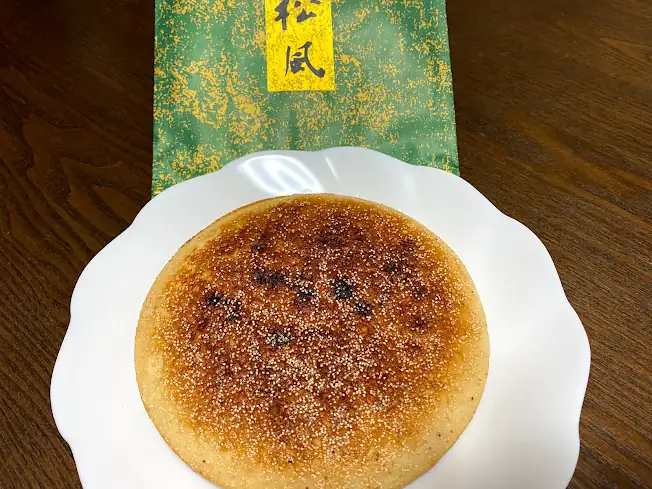 Est. c. 1421Kameya MutsuMatsukaze (baked miso cake)See this shop →
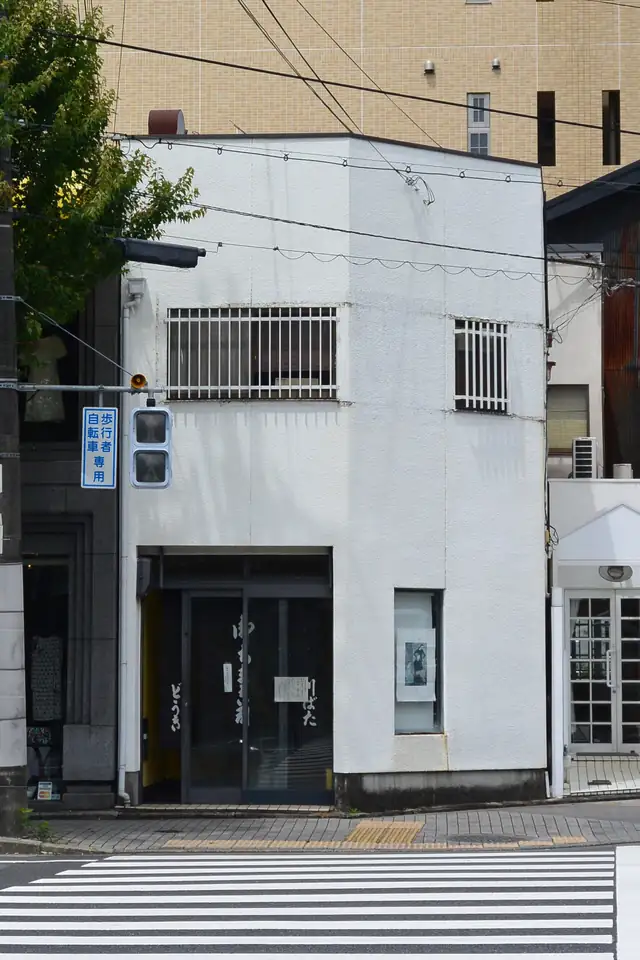 Est. 1503Kawabata DokiSuisen chimakiSee this shop →
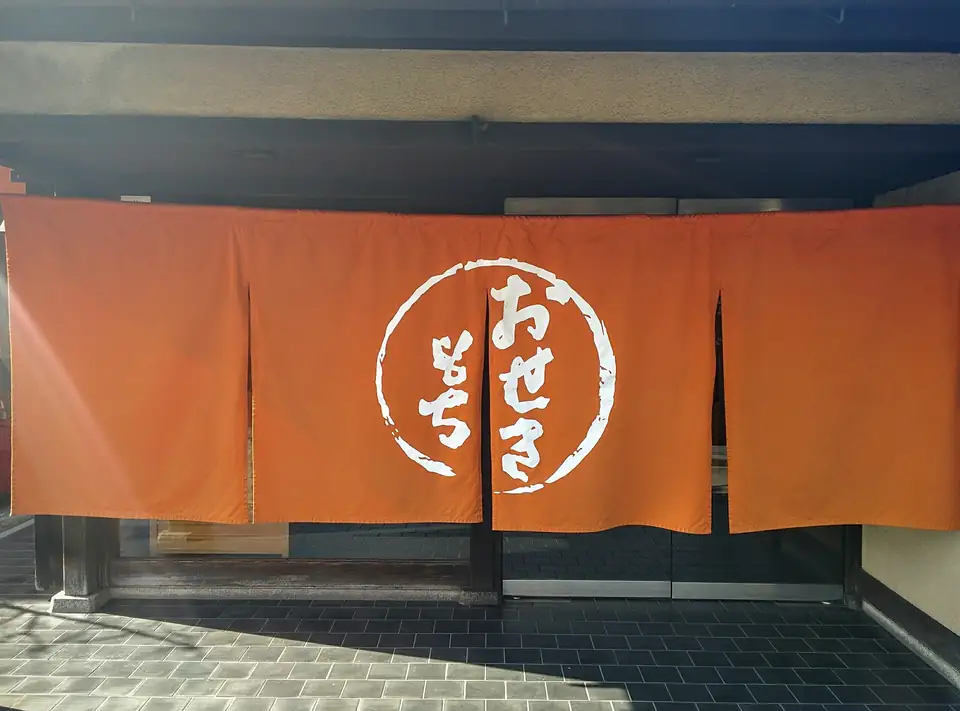 Est. c. 1569OsekimochiOseki mochi (plain and mugwort rice cakes topped with coarse bean paste)See this shop →
When this shop first opened
1717
309 years since.
- 1689Basho sets out on The Narrow Road to the Deep North
- 1717Founded
- 1774Kaitai Shinsho is published
- 2026Today
Each event on the timeline is checked against a source.
See sources
1689: 山口県文書館 解説資料「おくのほそ道」; 1774: 山口県文書館 解説資料「蘭学(解体新書)」