Matsuya Tokiwa
In Japanese: 松屋常盤
Est. c. 1652
Matsuya Tokiwa is a confectioner about 100 meters south of the Sakaimachi Gate of the Kyoto Imperial Park, said to date from the 1650s. It once supplied Daitokuji Temple and the imperial court. Today it makes only Murasakino miso matsukaze, a cake of white miso, wheat flour and sugar. Order by the day before.
- What to try
- Murasakino miso matsukaze(baked cake with white miso)
- Address
- 83 Tachibana-cho, Nakagyo-ku, Kyoto
- Getting there
- Within walking distance of Marutamachi Station (Kyoto Municipal Subway Karasuma Line)
- At the shop
- Take out
- Founded
- c. 1652
- Era
- Edo period
- Food
- Wagashi
About Matsuya Tokiwa
The shop is said to date from the Joo era (1652–1655). An ancestor who supplied Daitokuji Temple was allowed to serve the imperial palace and received an honorary title from Emperor Go-Komyo. The name Matsuya Yamashiro on the shop’s curtain comes from two characters of that title. The shop appears in an Edo-period guide to Kyoto, when it made sweets for the tea ceremony near Daitokuji.123
Miso matsukaze began as a tea ceremony sweet, and the recipe is said to have come from Kogetsu, a priest of Daitokuji. The only ingredients are Kyoto white miso, wheat flour, sugar and black sesame scattered on top. It is now baked in a custom oven rather than over charcoal, but otherwise made as before, and only the family knows the method. The name comes from the Noh play Matsukaze, a play on words for the cake’s pale, unbrowned underside.123
There is no display case. The shop has a tatami room like an old shop front, with a mother-of-pearl food container, an old framed sign, and wooden molds once used for dry tea sweets on the wall. It used to sell tea ceremony sweets too, but now makes only miso matsukaze.1
It is just south of the Sakaimachi Gate of the Kyoto Imperial Park. Because only the family makes it, quantities are limited; reserve by the day before and pick it up at the shop.123
History
- 1652
Said to be founded around this time.
At the shop
Compiled by our editors from public sources. We warmly welcome corrections from the shop.
For the shop: to send a correction or photos, please use this form.
Nearby
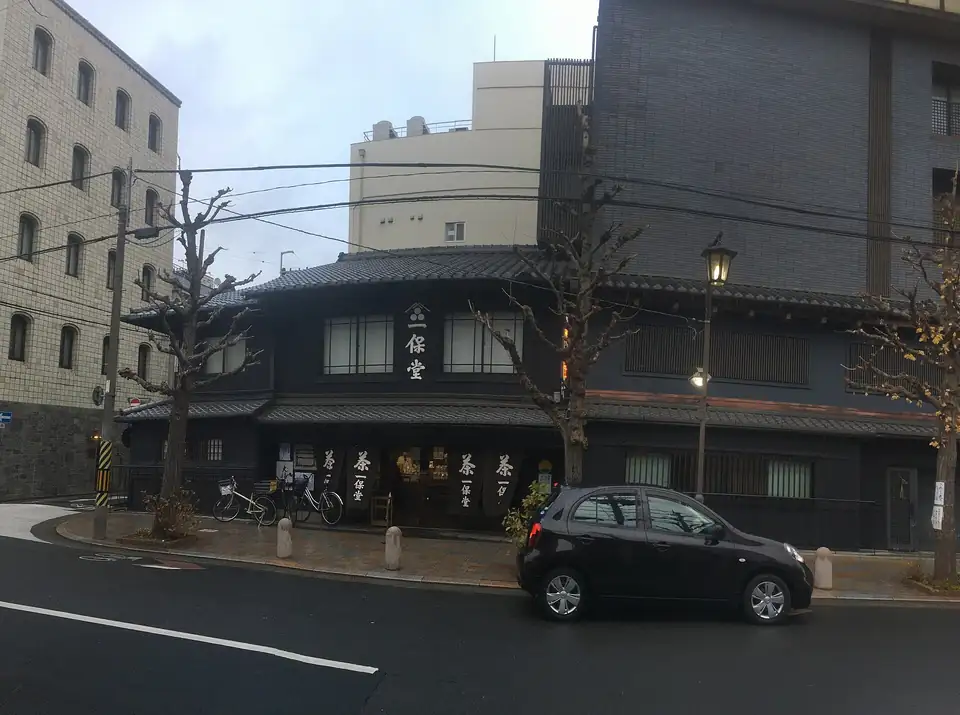 Est. 1717Ippodo Tea Kyoto (main shop)MatchaSee this shop →
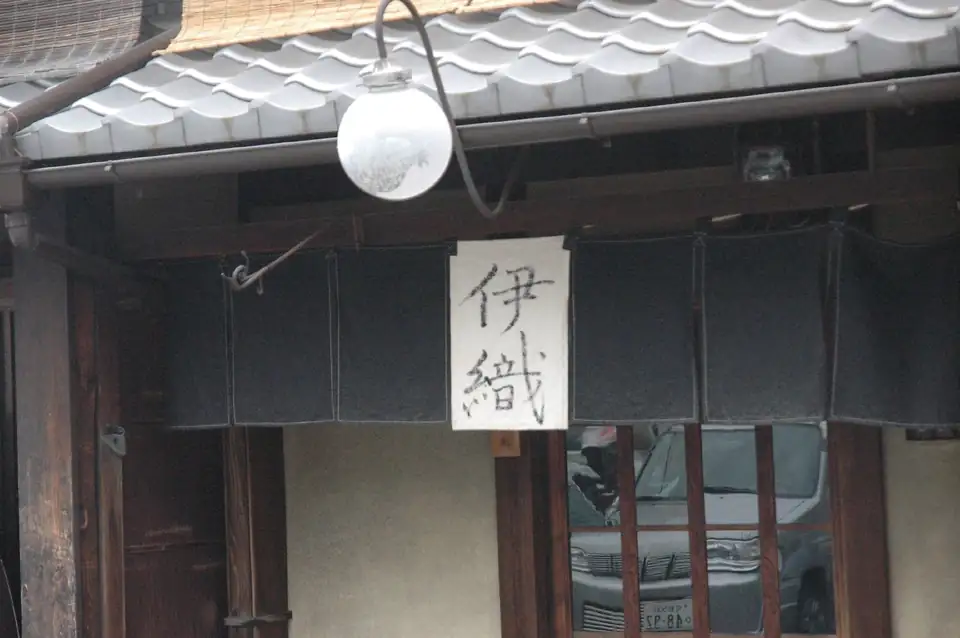 Est. c. 1624Kameya IoriHigashi dry sweets for the tea ceremony (aruheito sugar candySee this shop →
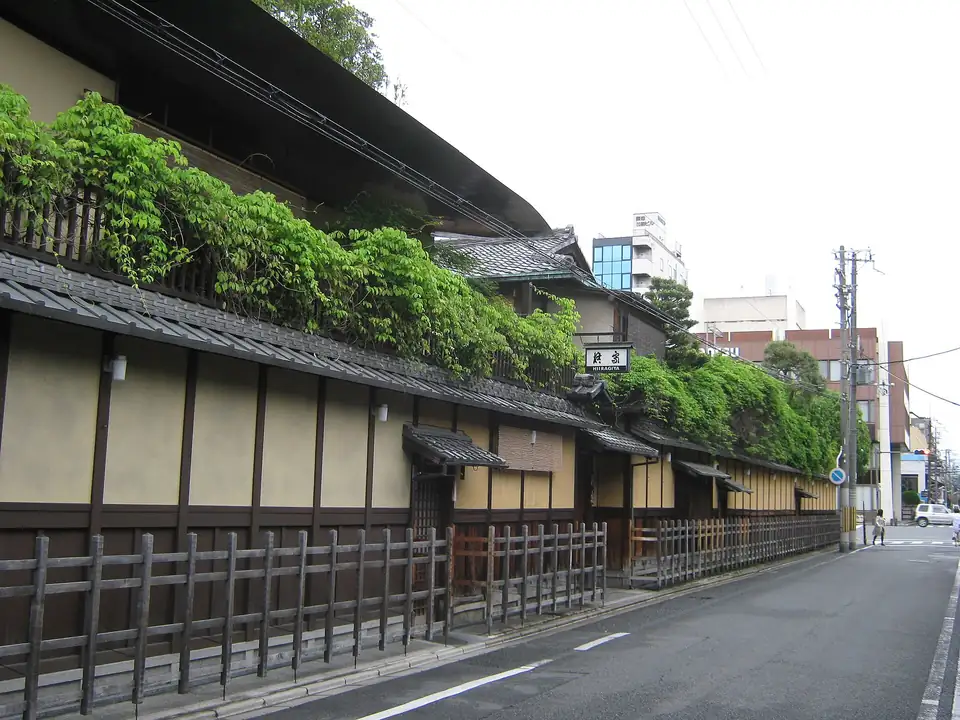 Est. 1861Hiiragiya (ryokan kaiseki, Fuyacho)Kyoto kaiseki (meal-only plans available)See this shop →
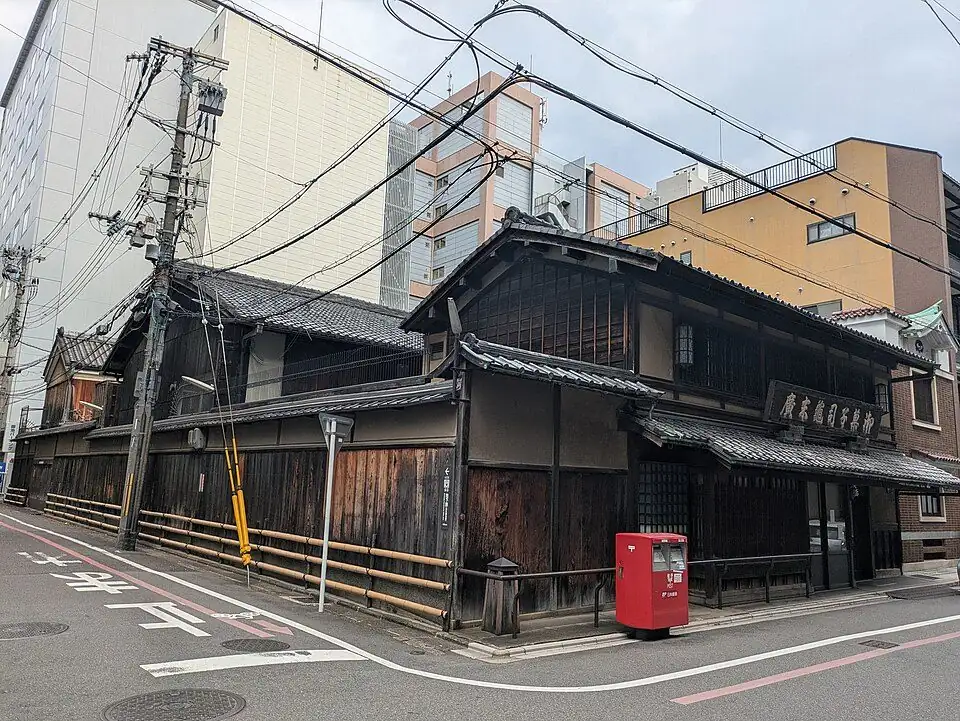 Est. 1804KamesuehiroKyo no yosuga (the “four-and-a-half-mat” box) and Kyo no junitsukiSee this shop →
Same food
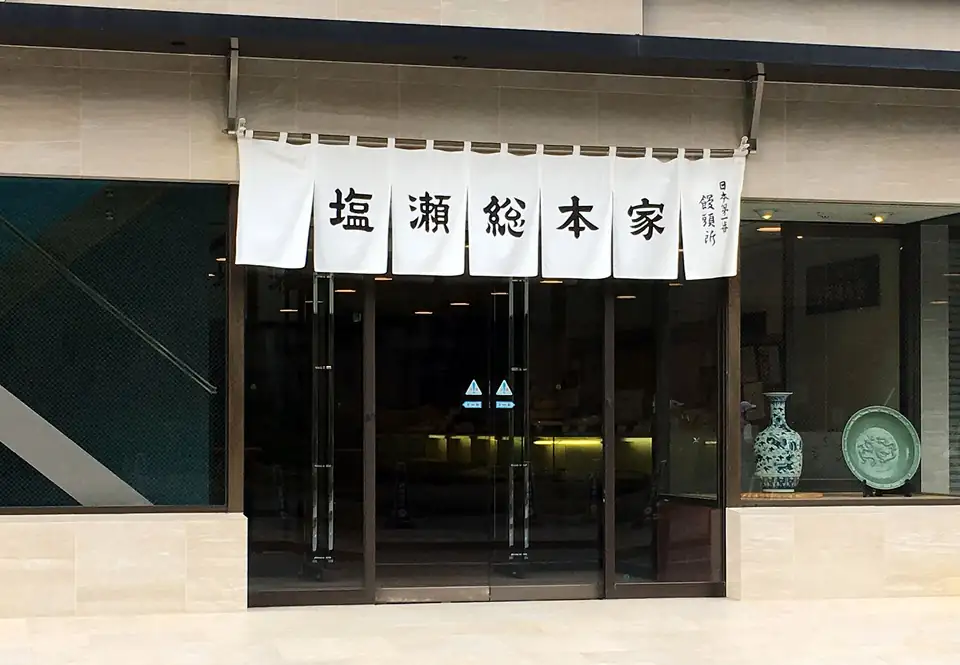 Est. c. 1349Shiose SohonkeShiose manju (steamed buns with yam and rice-flour dough)See this shop →
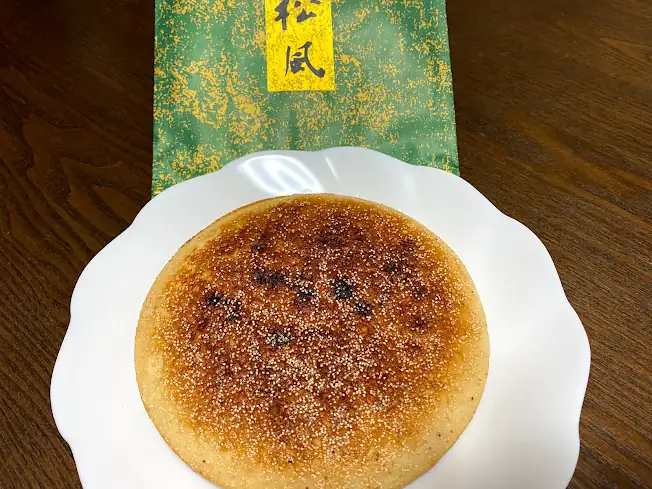 Est. c. 1421Kameya MutsuMatsukaze (baked miso cake)See this shop →
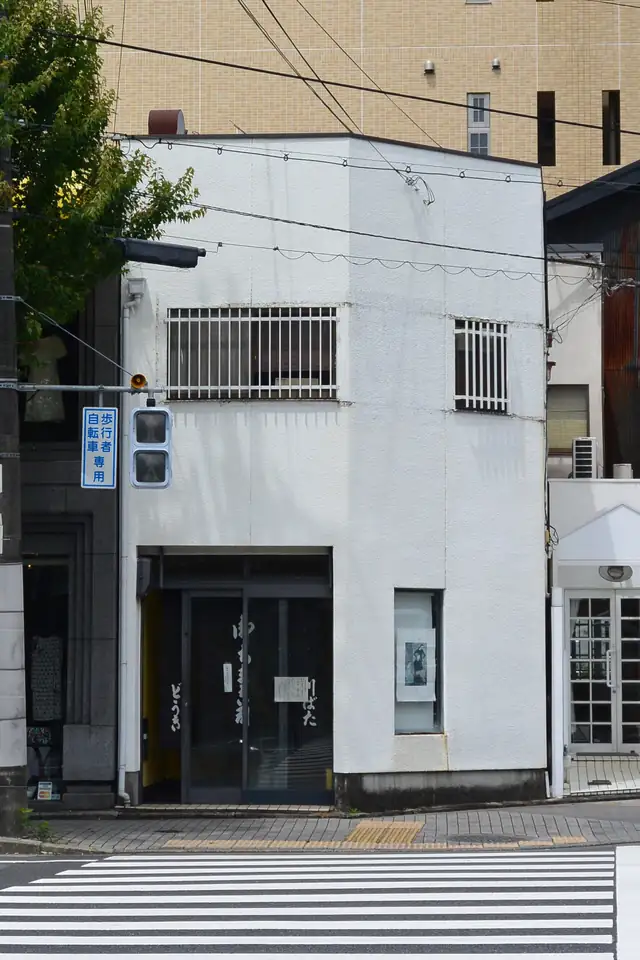 Est. 1503Kawabata DokiSuisen chimakiSee this shop →
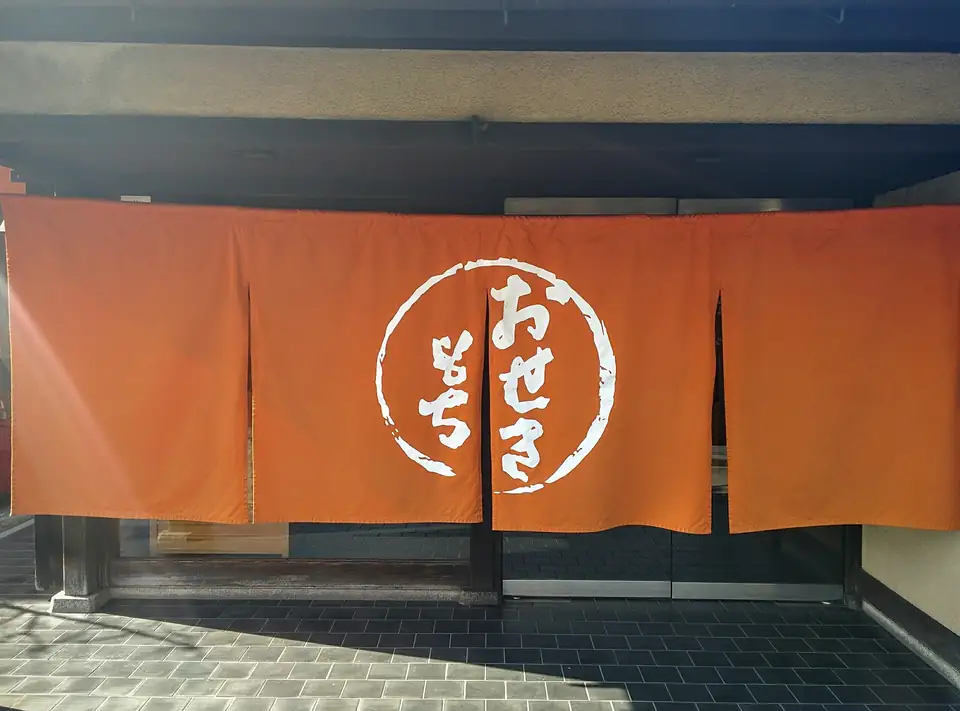 Est. c. 1569OsekimochiOseki mochi (plain and mugwort rice cakes topped with coarse bean paste)See this shop →
When this shop first opened
c. 1652
374 years since.
- 1603The Edo shogunate begins
- 1652Founded
- 1689Basho sets out on The Narrow Road to the Deep North
- 2026Today
Each event on the timeline is checked against a source.
See sources
1603: 東京都都市整備局『東京の都市づくり通史』序章; 1689: 山口県文書館 解説資料「おくのほそ道」