Yamamotoyama Fujie Sabo
In Japanese: 山本山 ふじヱ茶房
Est. 1690
Yamamotoyama Fujie Sabo is the tearoom of Yamamotoyama, a tea merchant open since 1690, on its founding site in Nihonbashi, Tokyo. It sells tea leaves and nori (dried seaweed). In the tearoom, gyokuro and sencha are brewed to order, alongside dishes and sweets made with nori and tea.
- What to try
- Gyokurosencha, nori, nori noodles
- Address
- Nihonbashi Takashimaya Mitsui Bldg. 1F, 2-5-1 Nihonbashi, Chuo-ku, Tokyo
- Getting there
- Directly connected to Nihombashi Station (Tokyo Metro Ginza and Tozai lines)
- At the shop
- Eat inTake out
- Founded
- 1690
- Era
- Edo period
- Food
- Pickles & tofu
Dishes said to begin here
- Gyokuro tea
Yamamotoyama was opened in Nihonbashi in 1690 by Yamamoto Kahei, who came to Edo from Kyoto.
More about Gyokuro tea →
About Yamamotoyama Fujie Sabo
In 1690 Yamamoto Kahei, who had come to Edo (now Tokyo) from Kyoto, began selling tea in Nihonbashi. In 1738 the shop recognized the quality of a new sencha (steamed green tea) made by Nagatani Soen and sold it under the name Tenka-ichi. The company’s history says the sixth Kahei created gyokuro, a green tea grown in shade, in Ogura, Uji, in 1835.135
The shop burned in the air raids of 1945 and was rebuilt in Nihonbashi the following year. It began selling nori in 1947. In 2018 the company moved its head office into the Nihonbashi Takashimaya Mitsui Building and opened Fujie Sabo on the ground floor, on its founding site.15
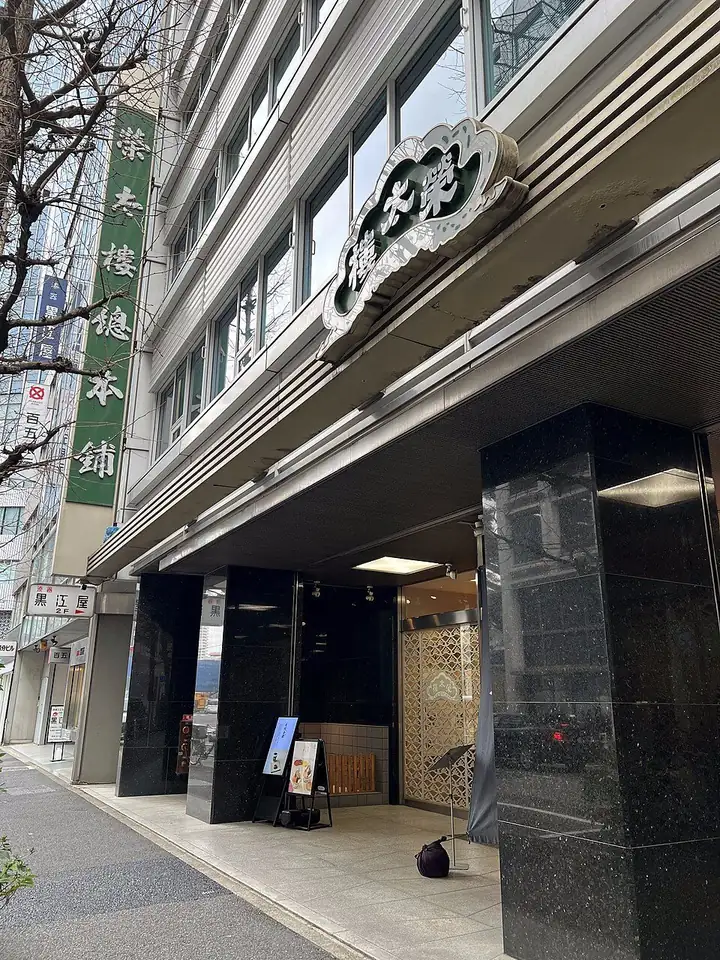
The tearoom is white, with a high ceiling and glass walls that let in daylight. Kettles and cooling bowls line the counter, and the water is cooled for each order before the tea is brewed. Meals include nori noodles and rice boxes topped with nori, and the sweets use tea or nori. Seasonal wagashi (traditional Japanese sweets) are also served. The shop sells tea leaves, nori and teaware.2346
It is directly connected to Nihombashi Station (Tokyo Metro Ginza and Tozai lines), with its entrance on the street. Weekends, lunchtime and the afternoon tea hours tend to be busy, and booking is recommended.236
History
- 1690
Begins selling tea in Nihonbashi.
- 1738
Sells Nagatani Soen’s new sencha as Tenka-ichi.
- 1835
The sixth Kahei creates gyokuro in Ogura, Uji (company history).
- 1945
Burns in the air raids and is rebuilt in Nihonbashi the next year.
- 1947
Begins selling nori.
- 2018
Opens Fujie Sabo on its founding site.
At the shop
Compiled by our editors from public sources. We warmly welcome corrections from the shop.
For the shop: to send a correction or photos, please use this form.
Nearby
Same food
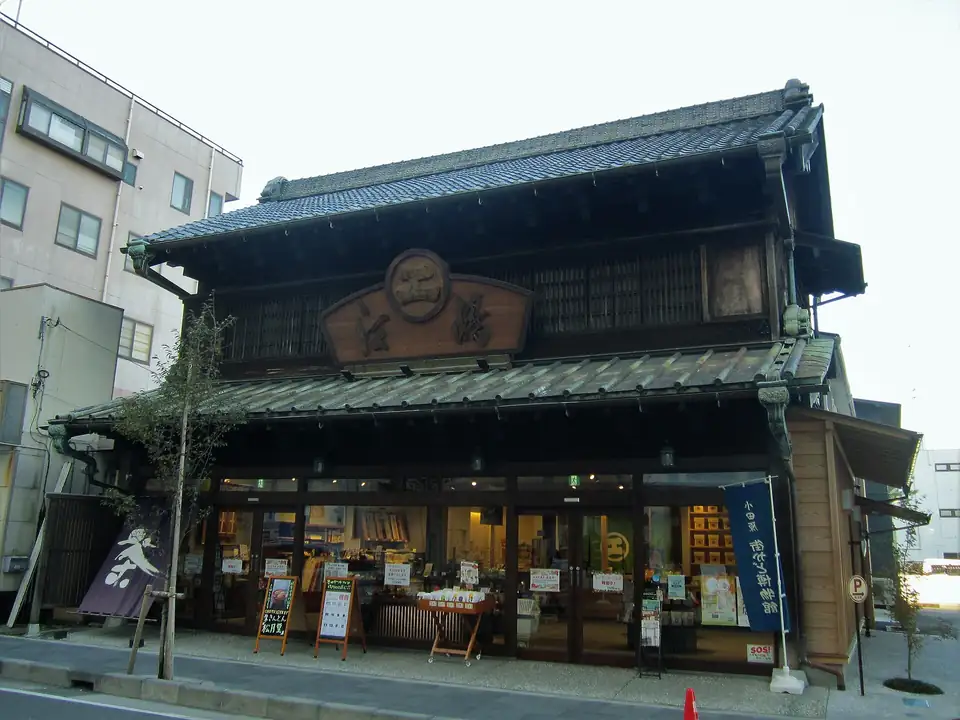
When this shop first opened
1690
336 years since.
- 1603The Edo shogunate begins
- 1690Founded
- 1774Kaitai Shinsho is published
- 2026Today
Each event on the timeline is checked against a source.
See sources
1603: 東京都都市整備局『東京の都市づくり通史』序章; 1774: 山口県文書館 解説資料「蘭学(解体新書)」