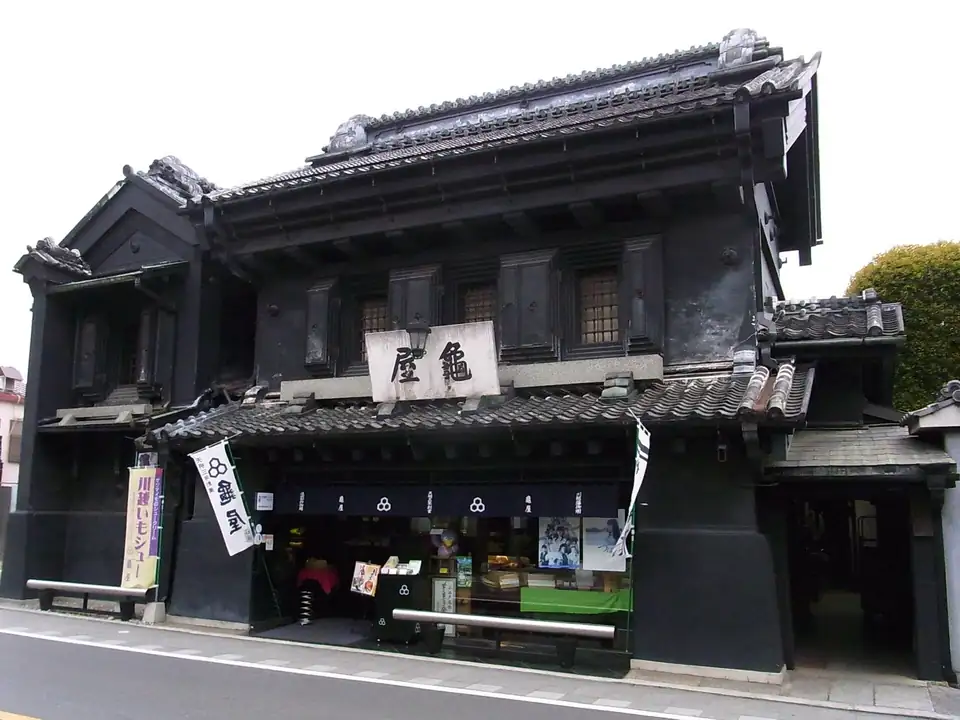
Kameya (main shop)
In Japanese: 龜屋 本店
Est. 1783
Kameya is a wagashi (traditional Japanese sweets) shop at the entrance to Kawagoe Ichibangai in Saitama, open since 1783. It served the Kawagoe domain for generations. From a fireproof storehouse-style shop built after the great fire of 1893, it sells bite-size monaka shaped like tortoise shells and thin crackers of Beniaka sweet potato.
- What to try
- Kame no monakaHatsukari-yaki, kamedora
- Address
- 4-3 Nakacho, Kawagoe, Saitama
- Getting there
- 15-minute walk from Hon-Kawagoe Station (Seibu Shinjuku Line)
- At the shop
- Take out
- Founded
- 1783
- Era
- Edo period
- Food
- Wagashi
About Kameya (main shop)
Kameya was founded in 1783, the year Mount Asama erupted. The first owner is said to have come from Nakano in Shinshu (now Nagano). For generations it supplied sweets to the Kawagoe domain, and in 1847 the Saga Imperial Palace in Kyoto granted it an honorary title.127
After the great Kawagoe fire of 1893, the fifth owner, Yamazaki Kashichi, spent a year building a fireproof storehouse-style shop, finished in 1894. Its heavy double doors upstairs seal tight when closed, and under the windows are ledges where people stood to seal the door joints with clay in a fire. A side storehouse stands next to it.1
In 1898 the fifth owner created Hatsukari-yaki, a thin cracker made with Beniaka, then a new sweet potato variety. The bite-size Kame no monaka, shaped like a tortoise shell, was created by the sixth owner in the early Showa era. Kamedora, a dorayaki (bean paste between pancakes) whose tortoise-shaped pancakes are baked one by one, was created by the eighth generation and comes with chunky or smooth bean paste.1456
The shop is take-out only, about a 15-minute walk from Hon-Kawagoe Station on the Seibu Shinjuku Line and right by the Nakacho bus stop. On the site of the old workshop behind the shop, the Yamazaki Art Museum opened in 1982, showing art and crafts handed down in the Yamazaki family.1348
History
- 1783
Founded in Kawagoe.
- 1847
Receives an honorary title from the Saga Imperial Palace in Kyoto.
- 1894
A fireproof storehouse-style shop is finished, the year after the great fire.
- 1898
Creates Hatsukari-yaki from Beniaka sweet potatoes.
- 1982
The Yamazaki Art Museum opens on the old workshop site behind the shop.
At the shop
Compiled by our editors from public sources. We warmly welcome corrections from the shop.
Walks including this shop
Nearby
Same food
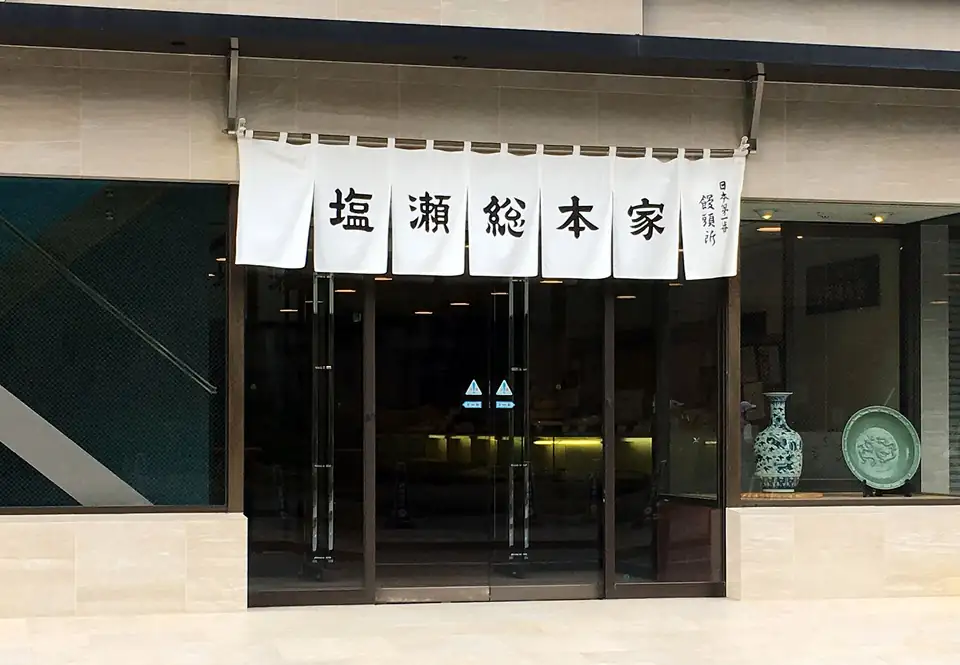 Est. c. 1349Shiose SohonkeShiose manju (steamed buns with yam and rice-flour dough)See this shop →
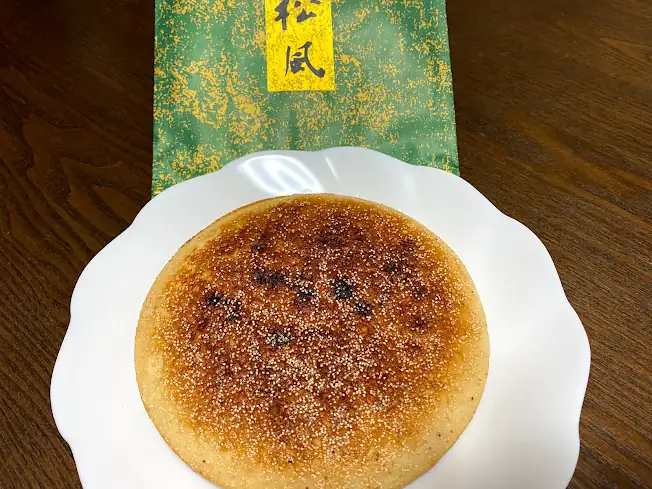 Est. c. 1421Kameya MutsuMatsukaze (baked miso cake)See this shop →
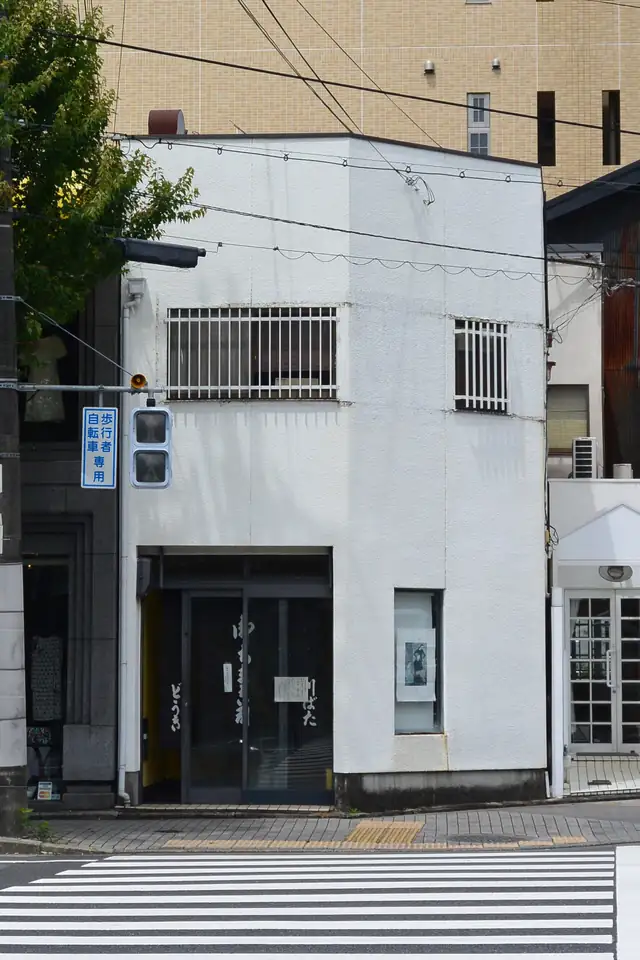 Est. 1503Kawabata DokiSuisen chimakiSee this shop →
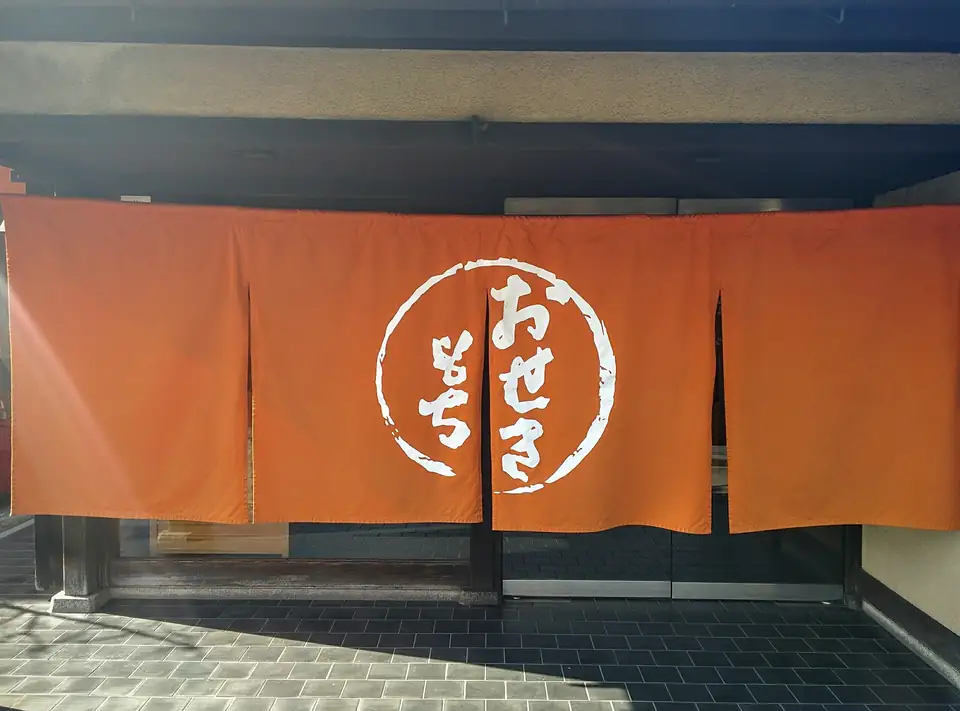 Est. c. 1569OsekimochiOseki mochi (plain and mugwort rice cakes topped with coarse bean paste)See this shop →
When this shop first opened
1783
243 years since.
- 1774Kaitai Shinsho is published
- 1783Founded
- 1802The first volume of Tokaidochu Hizakurige appears
- 2026Today
Each event on the timeline is checked against a source.
See sources
1774: 山口県文書館 解説資料「蘭学(解体新書)」; 1802: 静岡県立中央図書館「温故知新」十返舎一九と『膝栗毛』