Mamemasa
In Japanese: 豆政
Est. 1884
Mamemasa is a bean confectioner on Ebisugawa-dori in central Kyoto, open since 1884. Its Ebisugawa goshiki-mame, created in 1887, are roasted peas coated in sugar syrup in five colors: white, red, yellow, green and brown. Sold at Kyoto Station, they spread as a Kyoto souvenir. The shop now makes more than 30 sweets from beans.
- What to try
- Ebisugawa goshiki-mame (five-color sugared peas) and suhama dango
- Address
- 264 Rokuchome, Nakagyo-ku, Kyoto
- Getting there
- About a 5-minute walk from Marutamachi Station (Kyoto Municipal Subway Karasuma Line)
- At the shop
- Take out
- Founded
- 1884
- Era
- Meiji era
- Food
- Wagashi
Dishes said to begin here
- Goshiki-mame
Mamemasa began in 1884 as a bean and grain dealer on Ebisugawa Street in Kyoto.
More about Goshiki-mame →
About Mamemasa
In 1884, Tsunoda Masakichi, a dealer in grain and beans, opened the shop on the same Ebisugawa site it occupies today. In 1887 he created sugar-coated peas in five colors, now called Ebisugawa goshiki-mame. Sold at Kyoto Station, they became a local specialty, and by about 1907 they were a Kyoto souvenir alongside yatsuhashi.23
For goshiki-mame, peas are soaked in groundwater for three days, roasted by craftsmen and sorted by hand. They are then coated with sugar syrup at about 130°C and dried for a full day. The five colors, white, red, yellow, green and brown, echo the colors once used at the imperial court to pray for good fortune. The green ones are flavored with aonori seaweed, the brown with cinnamon.12
The main shop’s front bears a carved crest of a pea and a dove and a sign for “Ebisugawa Goshiki-mame.” Through the glass front you can see bean snacks and wagashi (traditional Japanese sweets), and the smell of roasting beans fills the shop. A Meiji-era sign for bean sweets hangs inside. Standard bean snacks are sold by weight, and freshly made beans and the sweet Tsukishiro are sold only here.123
It is about a 5-minute walk from Marutamachi Station on the Karasuma Line, on Ebisugawa-dori just west of Yanaginobamba. It is closed on Sundays.23
History
- 1884
Tsunoda Masakichi opens the shop on Ebisugawa.
- 1887
Creates five-color sugar-coated peas.
At the shop
Compiled by our editors from public sources. We warmly welcome corrections from the shop.
For the shop: to send a correction or photos, please use this form.
Nearby
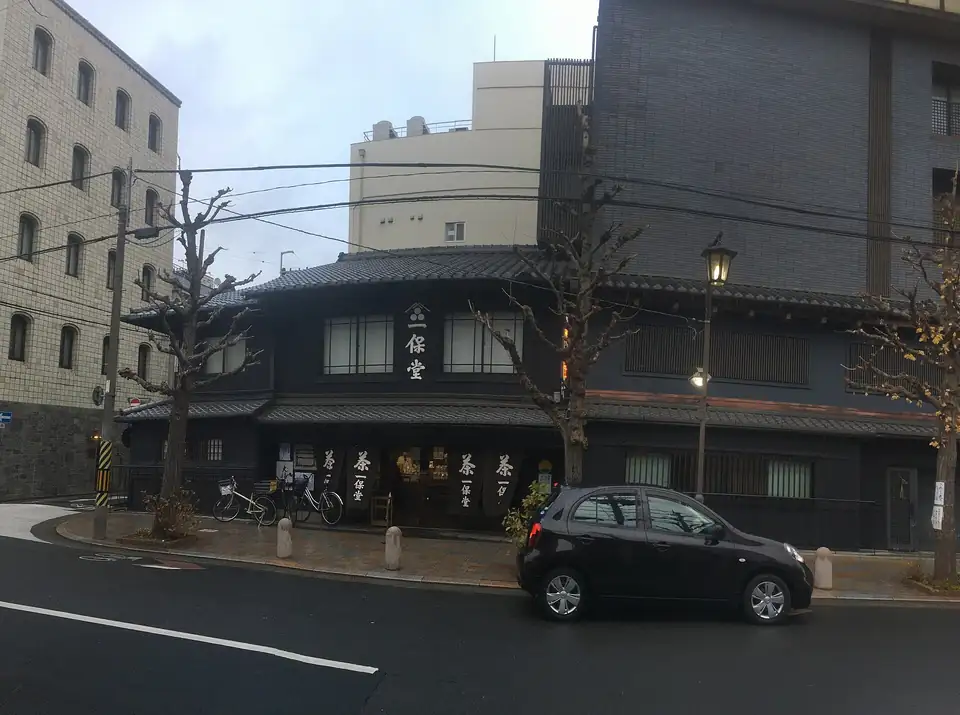 Est. 1717Ippodo Tea Kyoto (main shop)MatchaSee this shop →
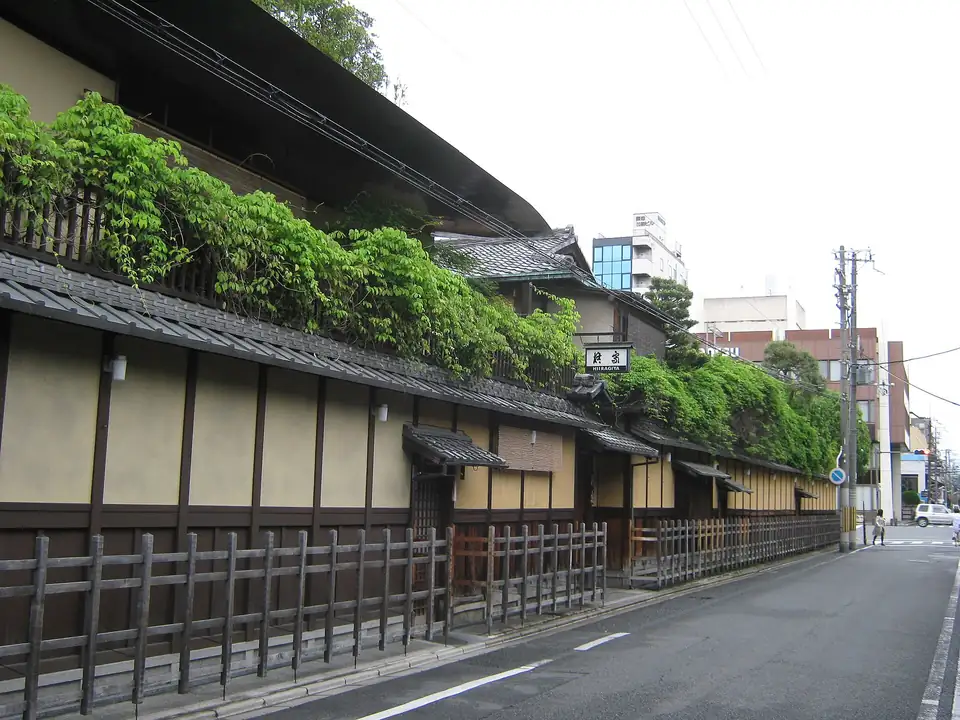 Est. 1861Hiiragiya (ryokan kaiseki, Fuyacho)Kyoto kaiseki (meal-only plans available)See this shop →
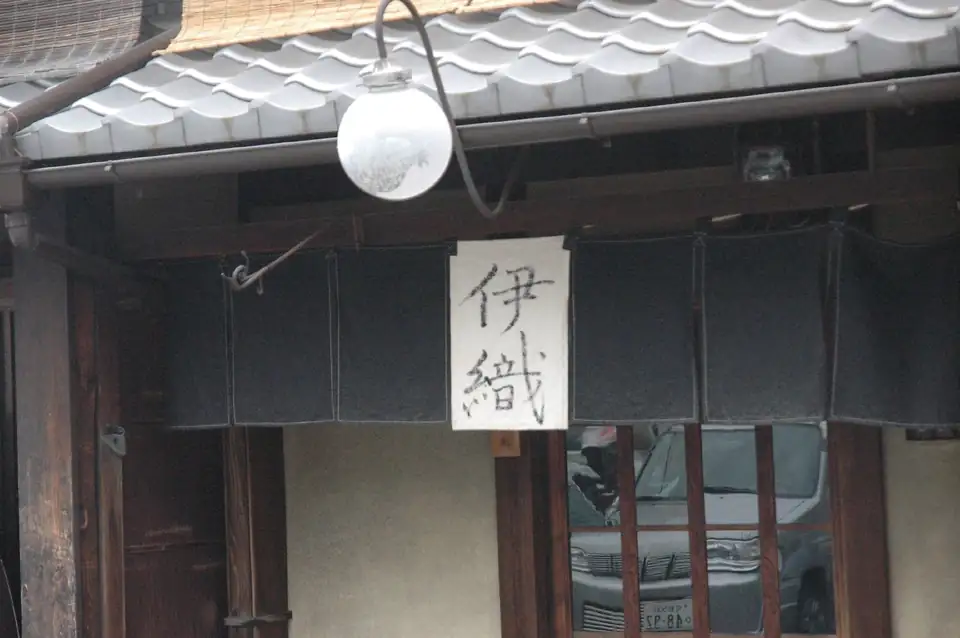 Est. c. 1624Kameya IoriHigashi dry sweets for the tea ceremony (aruheito sugar candySee this shop →
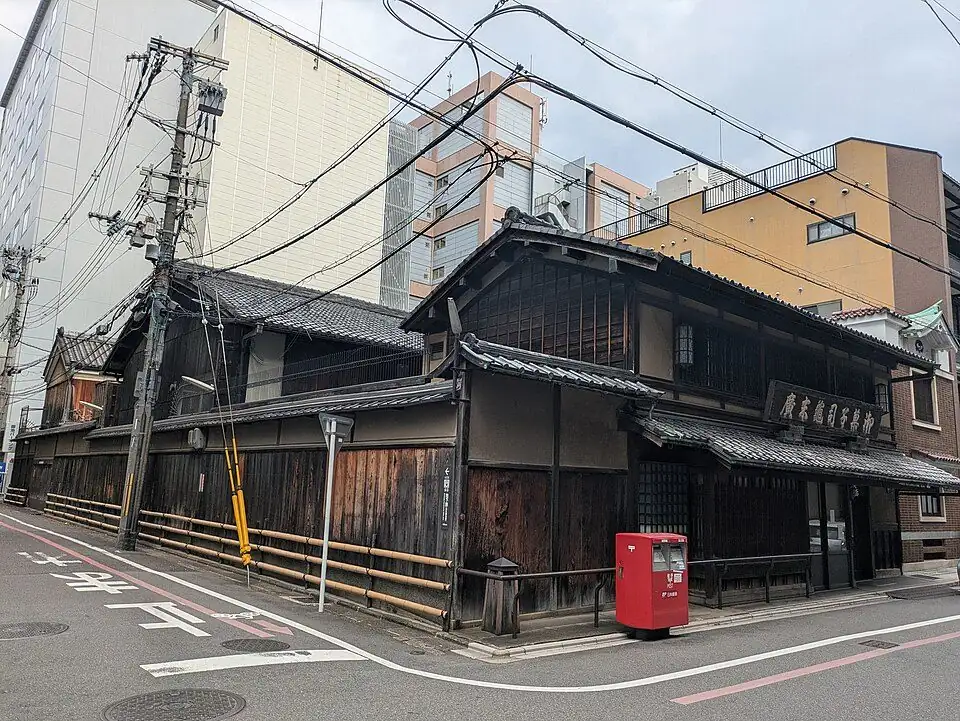 Est. 1804KamesuehiroKyo no yosuga (the “four-and-a-half-mat” box) and Kyo no junitsukiSee this shop →
Same food
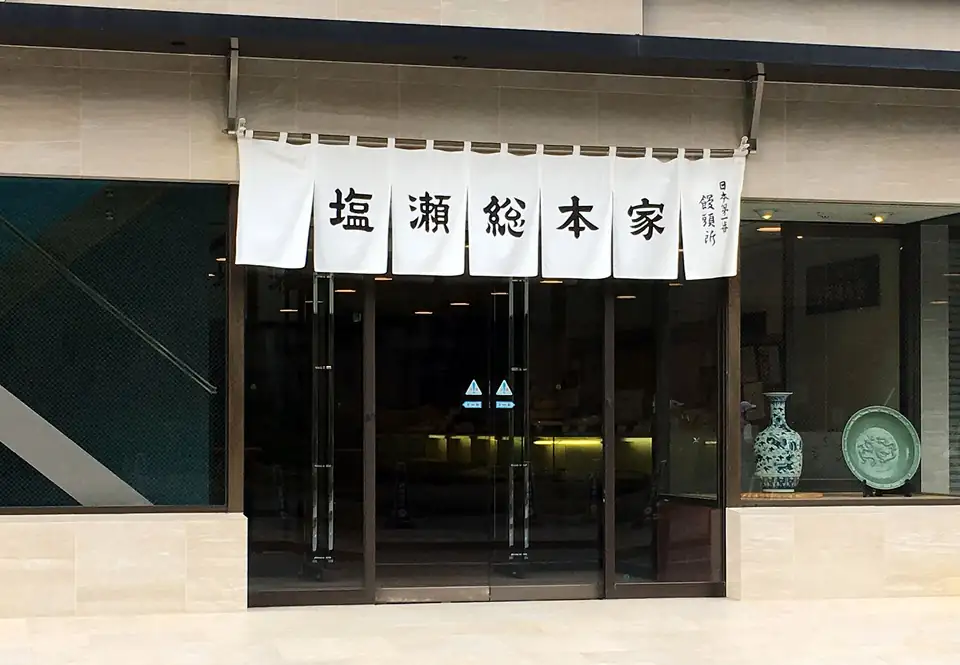 Est. c. 1349Shiose SohonkeShiose manju (steamed buns with yam and rice-flour dough)See this shop →
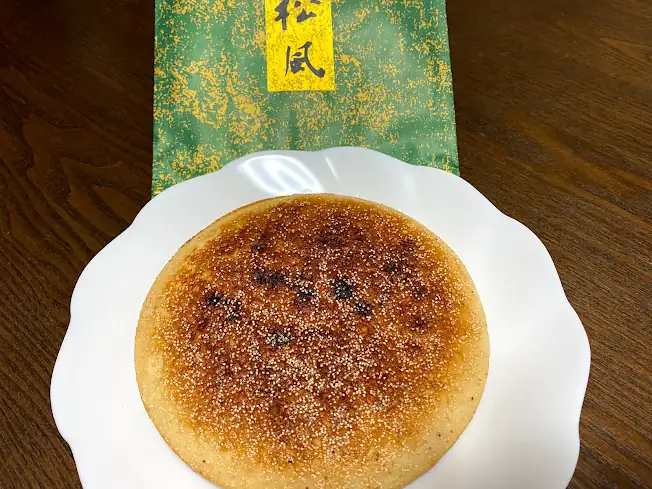 Est. c. 1421Kameya MutsuMatsukaze (baked miso cake)See this shop →
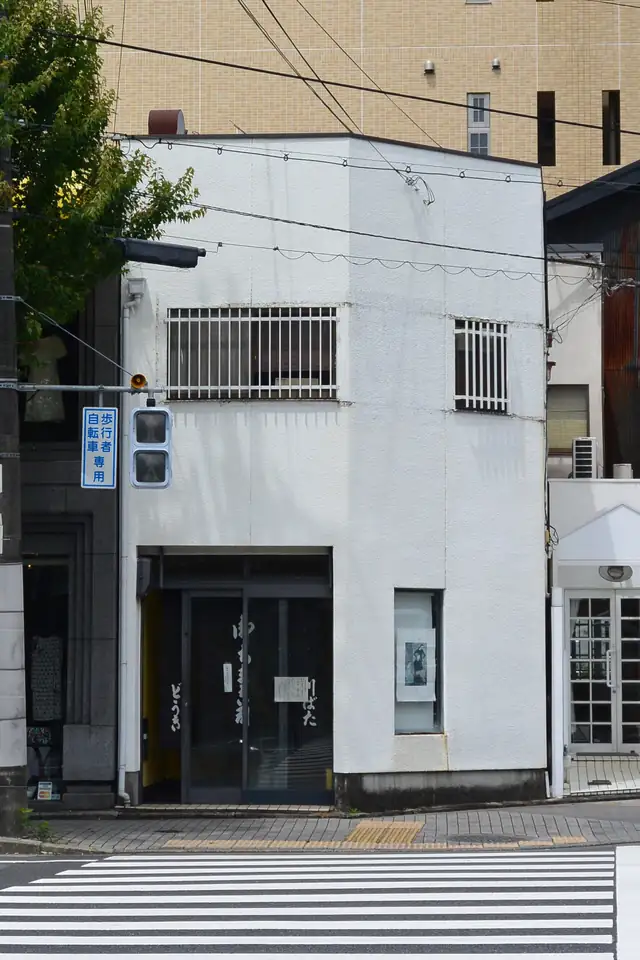 Est. 1503Kawabata DokiSuisen chimakiSee this shop →
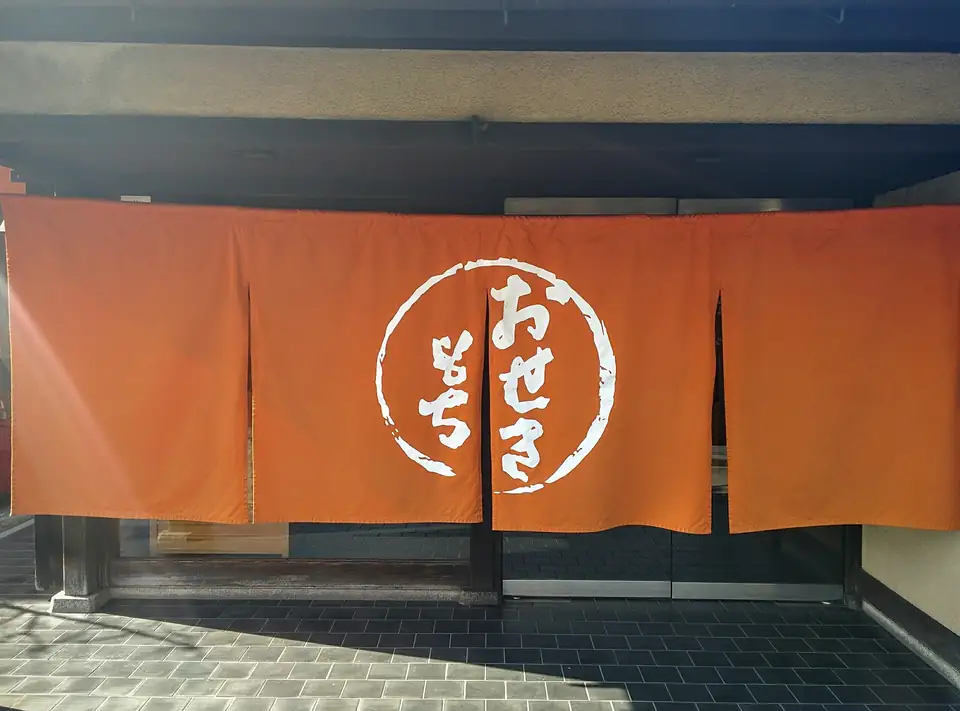 Est. c. 1569OsekimochiOseki mochi (plain and mugwort rice cakes topped with coarse bean paste)See this shop →
When this shop first opened
1884
142 years since.
- 1872Japan's first railway opens
- 1884Founded
- 1895Heian Shrine is founded
- 2026Today
Each event on the timeline is checked against a source.
See sources
1872: 港区「鉄道開業150年 港区と鉄道の夜明け」; 1895: 観光庁 多言語解説文データベース「平安神宮 概要」(平安神宮)