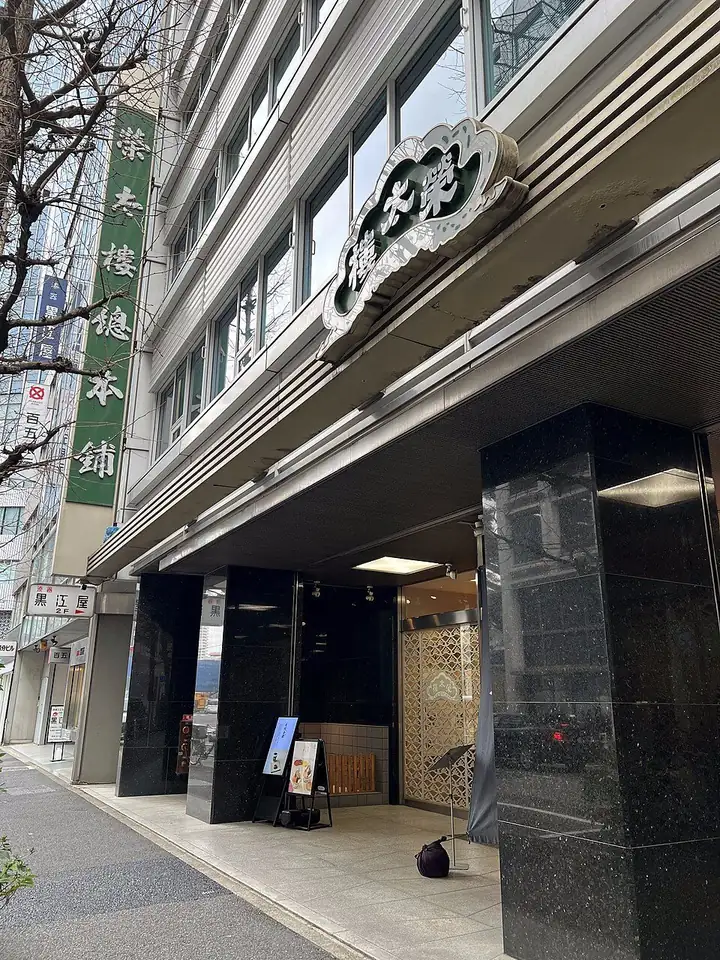
Eitaro Sohonpo Nihonbashi (main shop)
In Japanese: 榮太樓總本鋪 日本橋本店
Est. 1818
Eitaro Sohonpo is a confectioner by Nihonbashi Bridge in Tokyo, open since 1818. It grew from Izutsuya, a sweet shop started in Edo by Hosoda Tokubei, and takes its name from Eitaro, who opened at Nihonbashi in 1857. It is known for triangular Umeboshi-ame hard candy and Amananatto candied beans. Since April 2026, during redevelopment, the main shop has been selling from a temporary shop nearby.
- What to try
- Umeboshi-ame candyAmananatto, kintsuba
- Address
- 1-2-8 Nihonbashi, Chuo-ku, Tokyo
- Getting there
- Within walking distance of Nihombashi Station (Tokyo Metro)
- At the shop
- Take out
- Founded
- 1818
- Era
- Edo period
- Food
- Wagashi
Dishes said to begin here
- Amanatto
In the late Edo period (1603–1868), Eitaro’s founder turned to kintoki sasage cowpeas, cheap because they were used only in festive red rice and not for bean paste.
More about Amanatto →
About Eitaro Sohonpo Nihonbashi (main shop)
In 1818, Hosoda Tokubei, who sold sweets in Hanno, came to Edo (now Tokyo) with two grandsons and began selling sweets near Kudanzaka under the name Izutsuya. Eitaro, who later took over the family, grilled kintsuba (bean paste cakes in a thin batter) by Nihonbashi Bridge from childhood and won a following. In 1857 he opened a shop in Nishigashi-cho at Nihonbashi. The shop was later renamed Eitaro after his childhood name.34
Building on the skill of making kintsuba, the shop created Amananatto (candied beans), Umeboshi-ame and Tamadare. Umeboshi-ame was meant to bring aruheito, a costly sugar candy, within reach of ordinary people. The sugar syrup is boiled down quickly over a high, direct flame, so the flavor comes without added flavorings. The red candy is cut with scissors before it sets and pinched into triangles, and the shape, like a pickled plum (umeboshi), is said to have given it its name.3456
The main shop at 1-2-5 Nihonbashi was renovated in August 2020 and had a café. Because of redevelopment in the Nihonbashi area, that shop closed on March 31, 2026. Since April 15, sales have continued at a temporary shop at 1-2-8 Nihonbashi, with no café. A new main shop is planned to return to the original site around 2032.4789
History
Lineage
- Izutsuya1818
- Opens at Nihonbashi1857
- Eitaro SohonpoNihonbashi main shop
Drawn only from what the sources state.
- 1818
Hosoda Tokubei comes to Edo and starts Izutsuya near Kudanzaka.
- 1857
Eitaro opens at Nishigashi-cho, Nihonbashi; the shop is later renamed Eitaro.
- 2020
The Nihonbashi main shop is renovated and adds a café.
- 2026
Because of redevelopment, the main shop closes on March 31 and reopens in a temporary shop on April 15.
At the shop
Photos2 photos
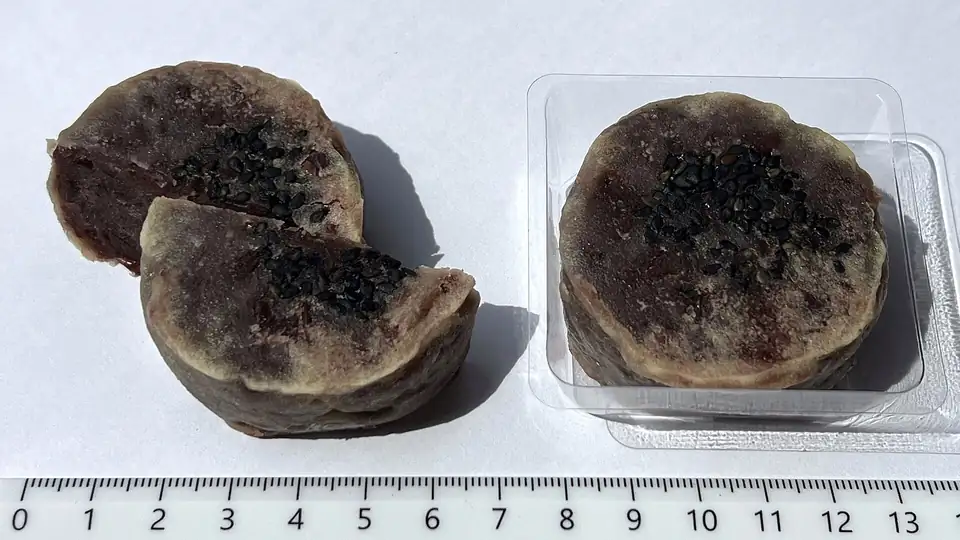
Nadai kintsuba (sweet red bean paste in a thin griddled wrapper)Photo: 毒島みるく · CC0 · Wikimedia Commons
Compiled by our editors from public sources. We warmly welcome corrections from the shop.
Nearby
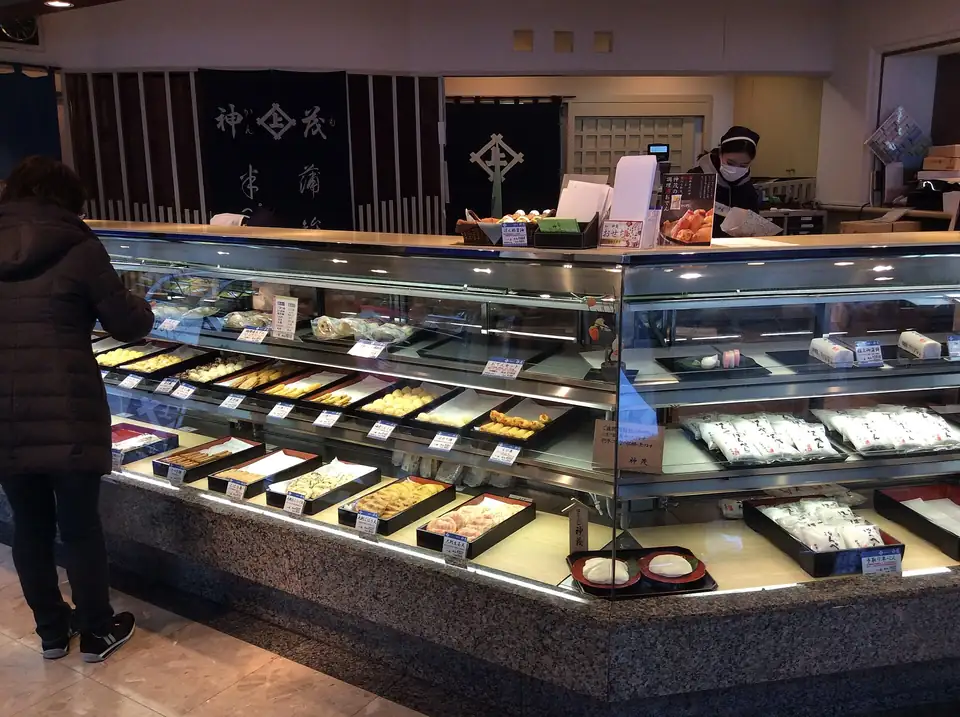
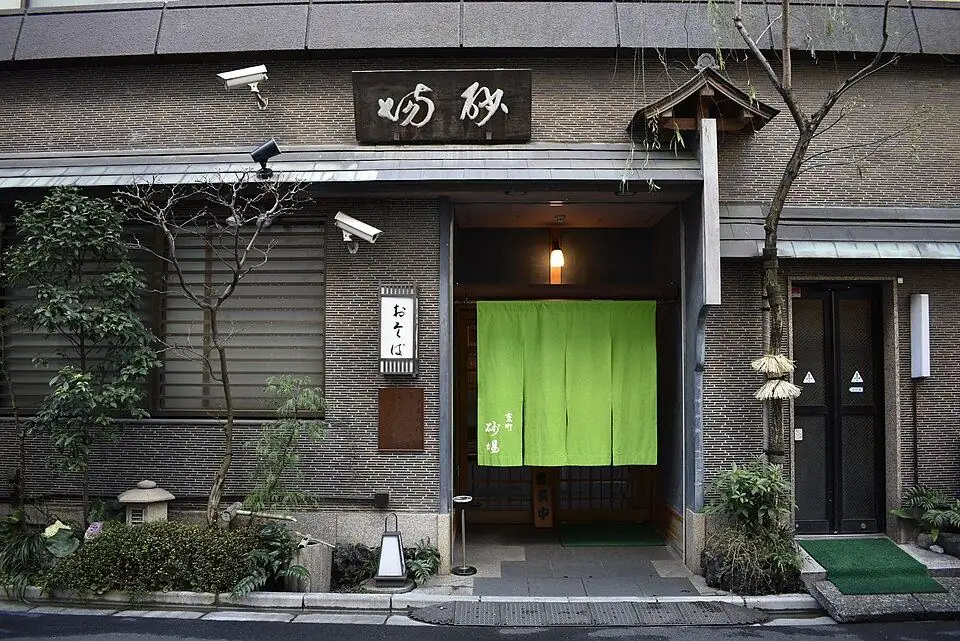
Same food
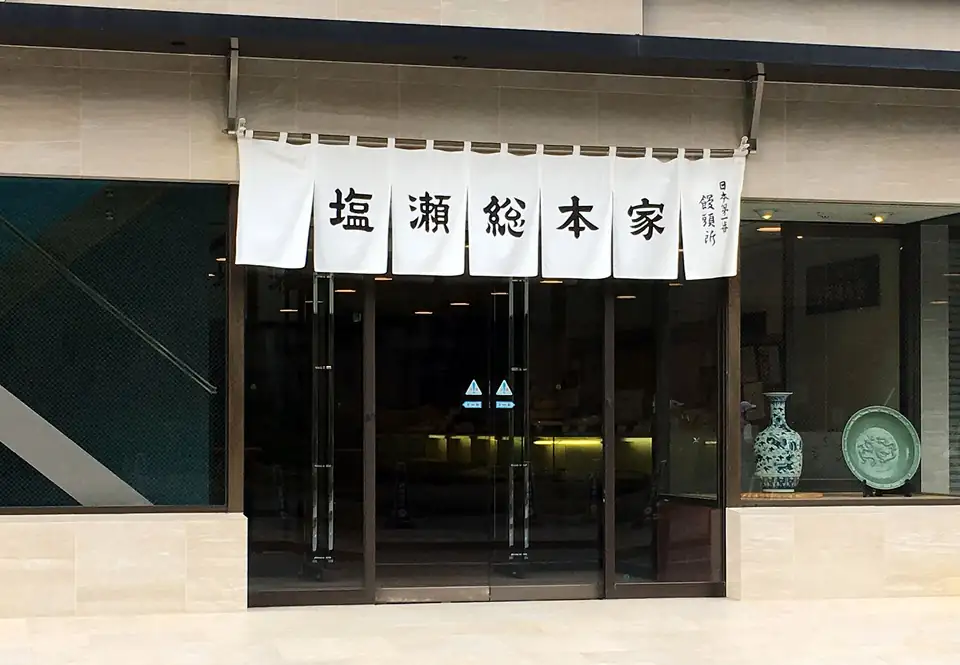 Est. c. 1349Shiose SohonkeShiose manju (steamed buns with yam and rice-flour dough)See this shop →
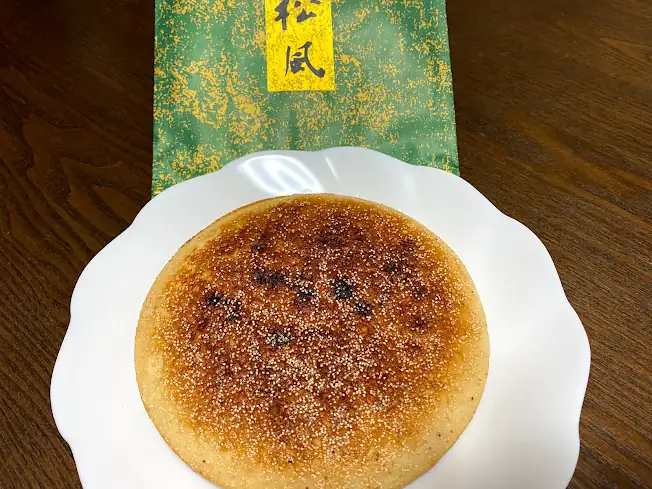 Est. c. 1421Kameya MutsuMatsukaze (baked miso cake)See this shop →
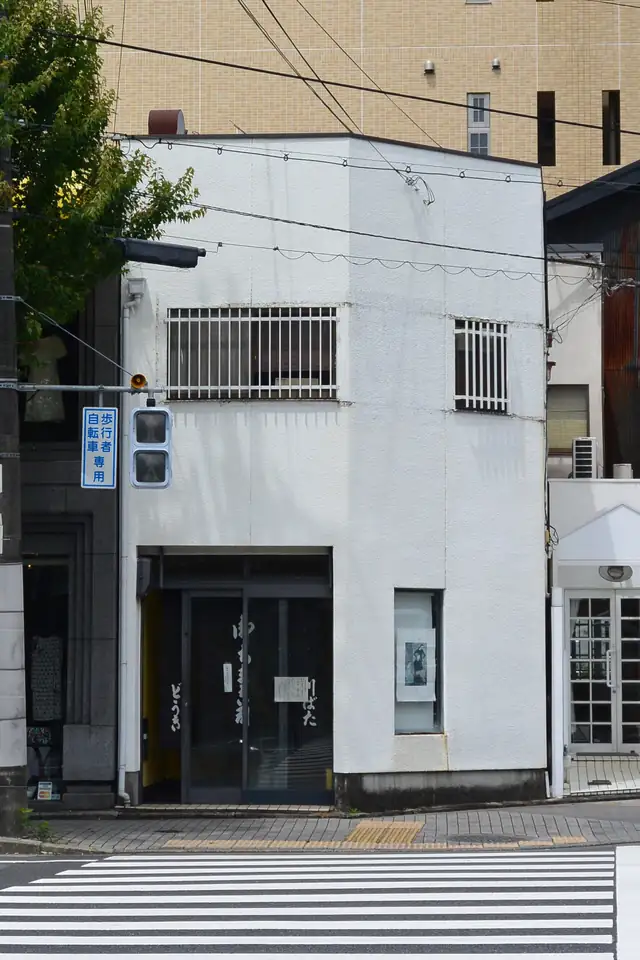 Est. 1503Kawabata DokiSuisen chimakiSee this shop →
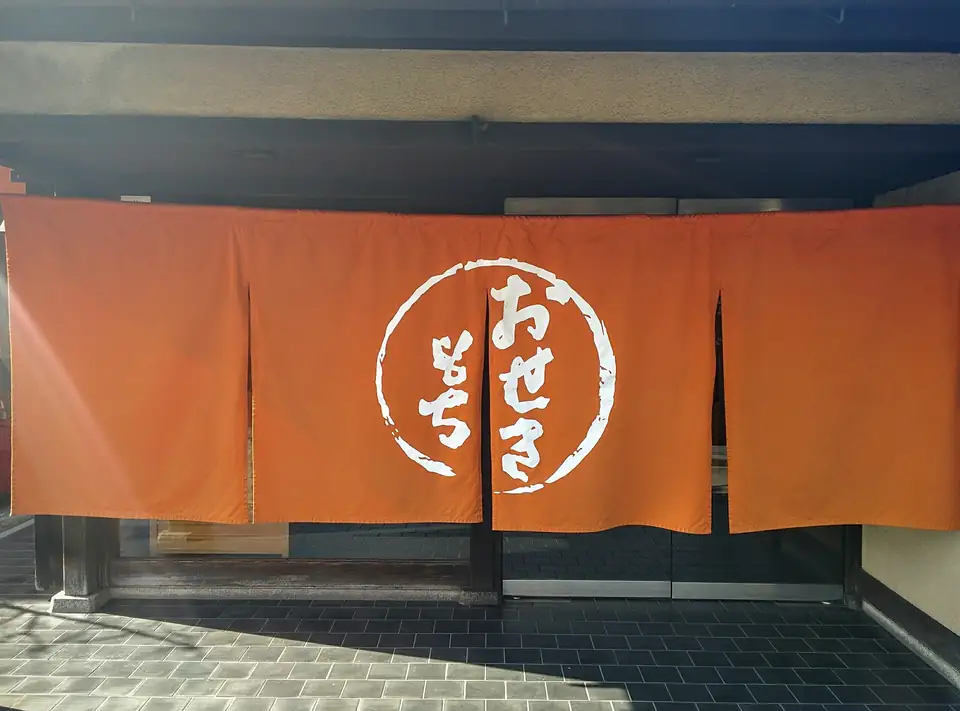 Est. c. 1569OsekimochiOseki mochi (plain and mugwort rice cakes topped with coarse bean paste)See this shop →
When this shop first opened
1818
208 years since.
- 1802The first volume of Tokaidochu Hizakurige appears
- 1818Founded
- 1853Perry's ships arrive at Uraga
- 2026Today
Each event on the timeline is checked against a source.
See sources
1802: 静岡県立中央図書館「温故知新」十返舎一九と『膝栗毛』; 1853: 外務省「六月三日ヨリ十二日迄異国船進退之図」解説