Imobo Hiranoya Honten
In Japanese: いもぼう平野家本店
Est. c. 1716
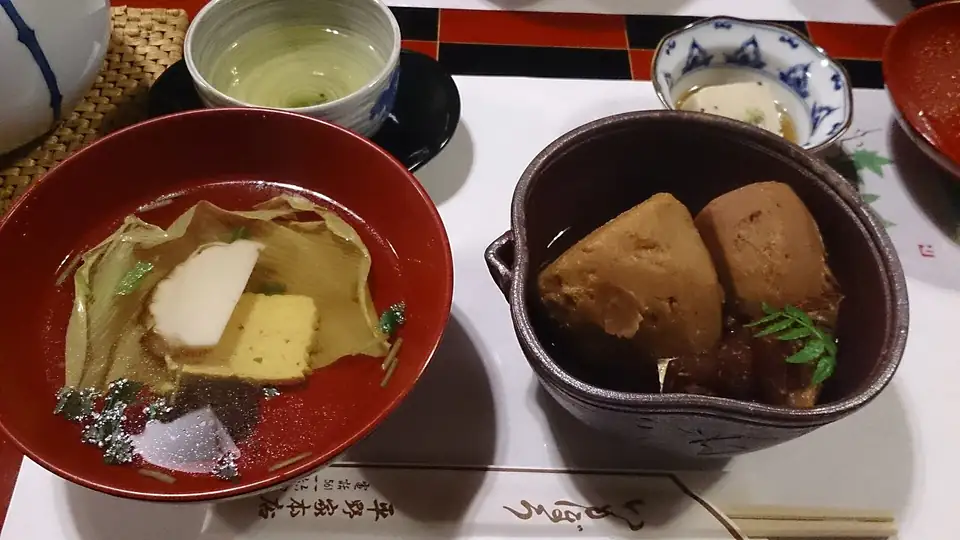
Imobo Hiranoya Honten is a Kyoto-cuisine restaurant by the south gate of Chion-in Temple, at the north end of Maruyama Park, open since around 1716. According to the family, the founder, Hirano Gondayu, who served Shoren-in Temple, created imobo by simmering ebi-imo taro with dried cod. The dish is still cooked 100 servings at a time in copper pots and served as set meals or kaiseki.
- What to try
- Imoboimobo set meals and kaiseki
- Address
- In front of the south gate of Chion-in, Maruyama Park, Higashiyama-ku, Kyoto
- Getting there
- About a 5-minute walk from the Gion bus stop (Kyoto City Bus); about a 15-minute walk from Exit 7 of Gion-Shijo Station (Keihan Line)
- At the shop
- Eat in
- Founded
- c. 1716
- Era
- Edo period
- Food
- Kaiseki & ryotei
Dishes said to begin here
- Imobo (ebi-imo taro with dried cod)
In the Kyoho era (1716–1736) of the mid-Edo period, the founder, who served the temple Shoren-in, grew taro that an imperial prince had brought back from Kyushu in the Maruyama area.
More about Imobo →
About Imobo Hiranoya Honten
The founder, Hirano Gondayu, served Shoren-in Temple in Awata in the Kyoho era (1716–1736). Tradition says a Chinese taro brought back from Kyushu was planted in Maruyama, suited the soil there and became today’s ebi-imo. Gondayu simmered it with dried cod, then a rare food in Kyoto, and created imobo.34
Cooking ebi-imo and dried cod in one pot lets the taro’s bitter juices soften the fish while gelatin from the cod keeps the taro from falling apart. The dish is made in large copper pots, 100 servings at a time, and the sweet soy flavor soaks in over two days. Only the top part of extra-large ebi-imo is used, and the cod is true cod from Wakkanai, Hokkaido.4
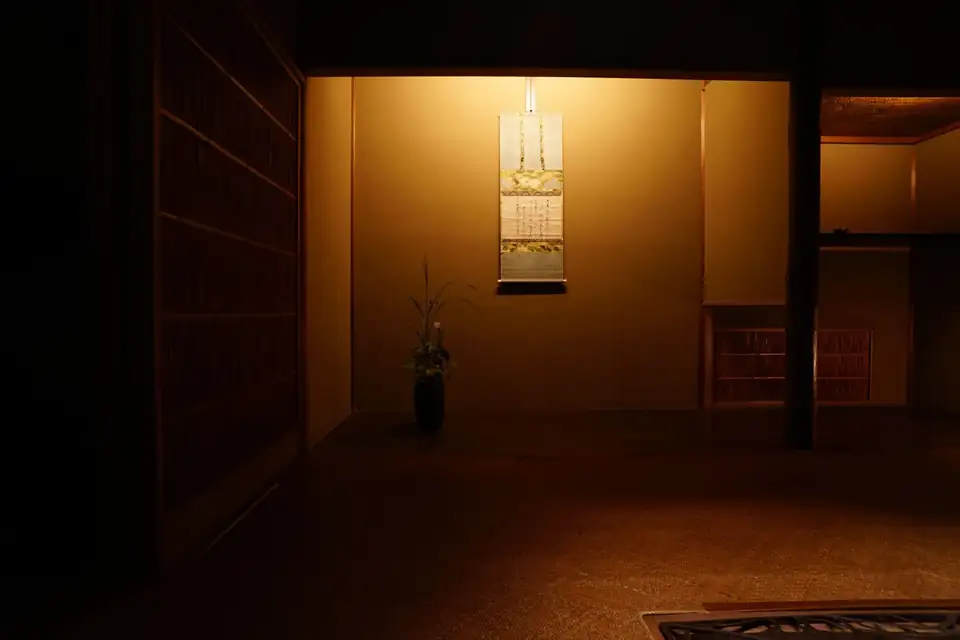
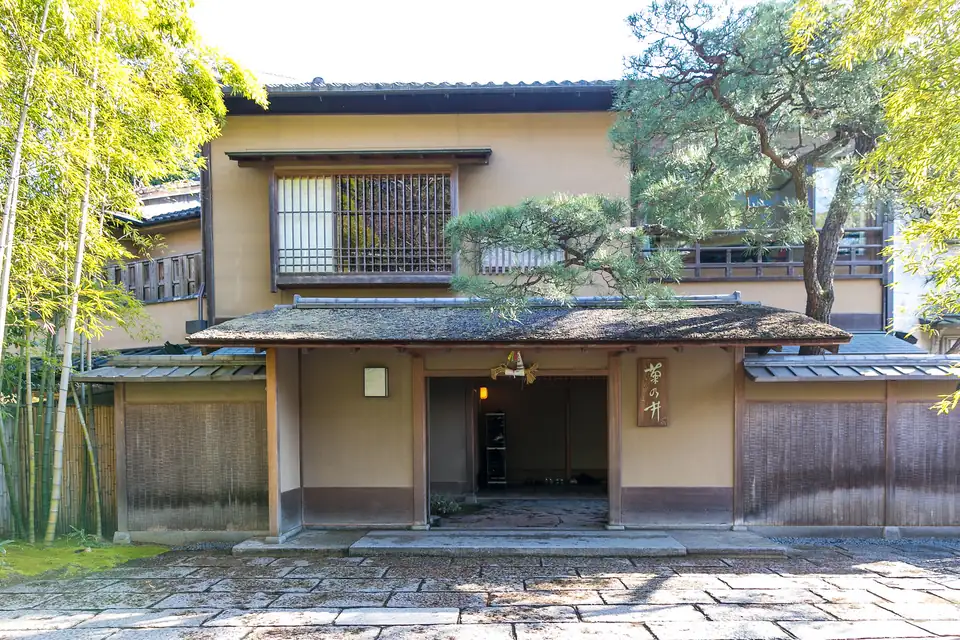
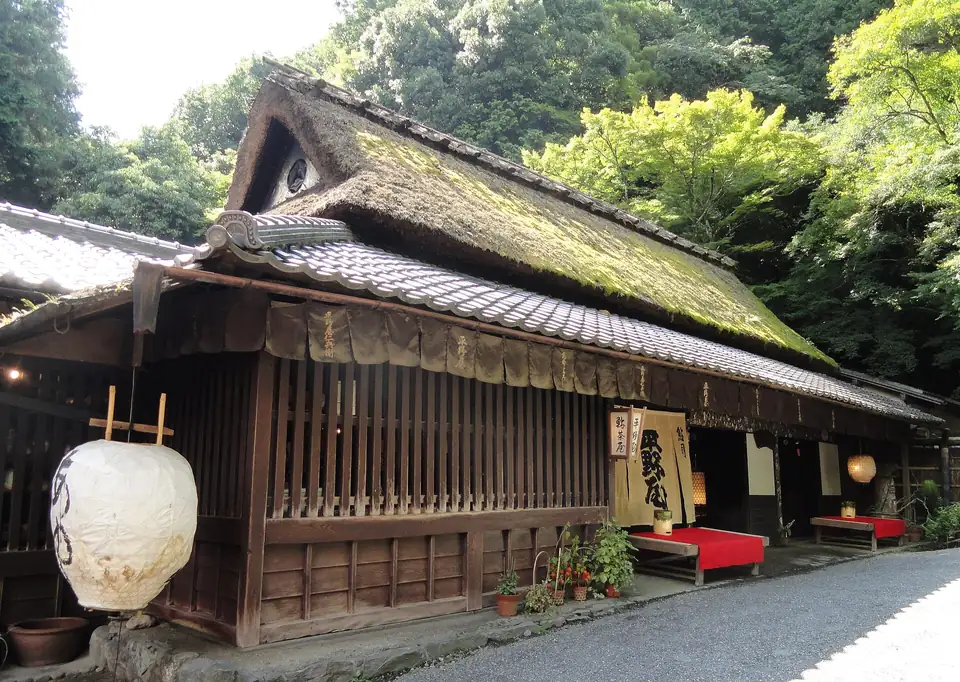
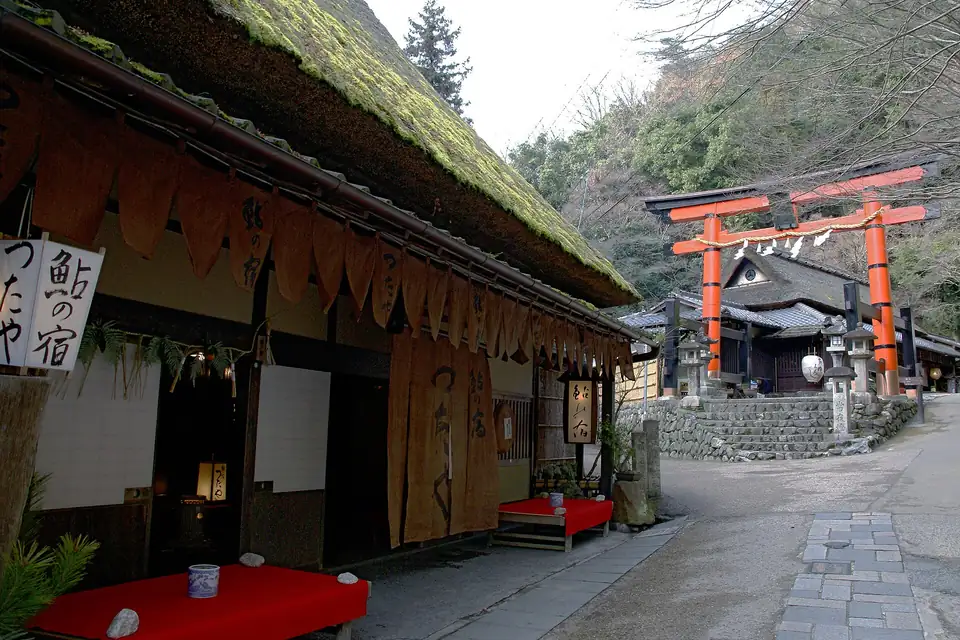
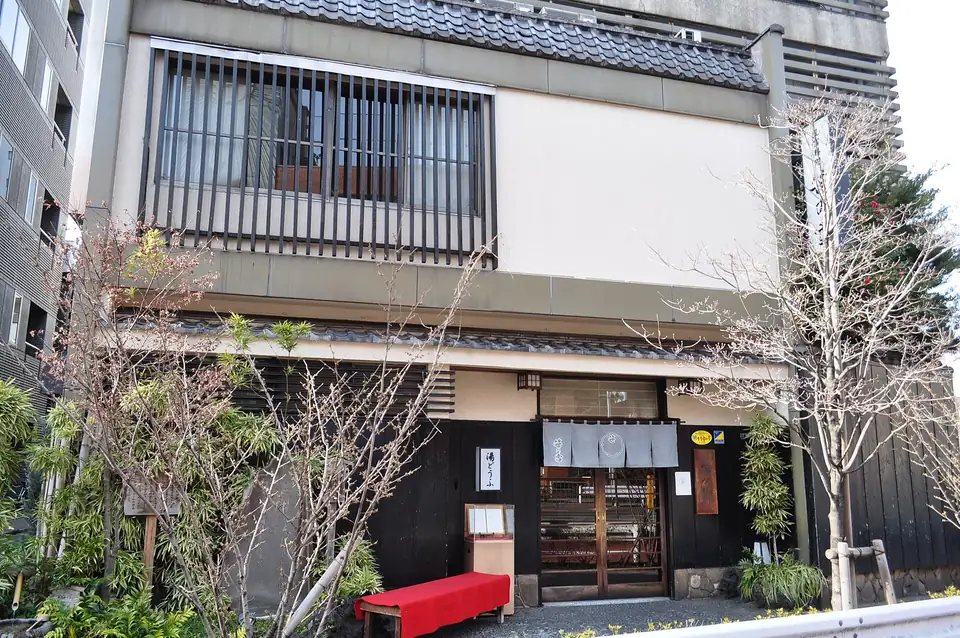
The restaurant is an old house marked by a noren curtain. Its tatami rooms have sunken kotatsu-style seating, and there are also table seats. Each room’s sliding doors carry a different painting. Among the 15 private rooms, a special room with a garden view is used for kaiseki orders. The imobo set meal comes with appetizers, fresh yuba, soup, rice, pickles and Gion tofu. The restaurant also appears in Seicho Matsumoto’s story “Kao.”34
It is about a 5-minute walk from the Gion bus stop, or about 15 minutes from Exit 7 of Gion-Shijo Station on the Keihan Line. Kaiseki must be booked three days ahead. Maruyama Park also has a separate restaurant, Imobo Hiranoya Honke, also run by the Kitamura family.3
History
- 1716
Tradition says Hirano Gondayu creates imobo from ebi-imo and dried cod.
At the shop
Compiled by our editors from public sources. We warmly welcome corrections from the shop.
Nearby
Same food
When this shop first opened
c. 1716
310 years since.
- 1689Basho sets out on The Narrow Road to the Deep North
- 1716Founded
- 1774Kaitai Shinsho is published
- 2026Today
Each event on the timeline is checked against a source.
See sources
1689: 山口県文書館 解説資料「おくのほそ道」; 1774: 山口県文書館 解説資料「蘭学(解体新書)」