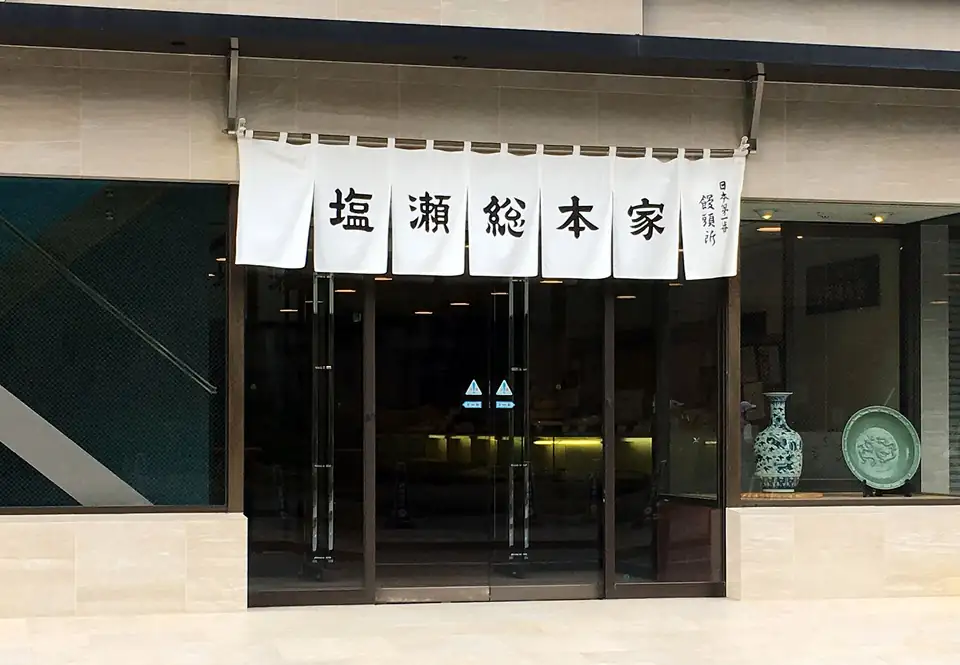
Shiose Sohonke
In Japanese: 塩瀬総本家
Est. c. 1349by tradition
Shiose Sohonke is a wagashi (traditional Japanese sweets) shop in Akashicho, Tokyo, said to date from 1349. It traces its line to Lin Jingyin, who came from China and is said to have made Japan's first manju filled with sweet bean paste. Its signature sweet is shiose manju, a steamed bun with a dough of yam and rice flour.
- What to try
- Shiose manju(steamed buns with yam and rice-flour dough)
- Address
- 7-14 Akashicho, Chuo-ku, Tokyo
- Getting there
- 8-minute walk from Tsukiji Station (Tokyo Metro Hibiya Line), Exit 3, or 10 minutes from Shintomicho Station (Tokyo Metro Yurakucho Line), Exit 6
- At the shop
- Take out
- Founded
- c. 1349 (by tradition)
- Era
- Kamakura–Muromachi period
- Food
- Wagashi
Dishes said to begin here
- Bean-paste manju
Lin Jingyin, who came from China, is said to have made buns for monks who could not eat meat, wrapping simmered red bean paste in place of meat and steaming them.
More about Bean-paste manju →
About Shiose Sohonke
Shiose's founder, Lin Jingyin, is said to have come from China in 1349 with the Zen monk Ryuzan Tokken of Kennin-ji Temple. For monks who ate no meat, he cooked azuki beans down with a plant syrup called amazurasen and wrapped the sweet paste in buns, which he sold in Nara. Tradition says he presented them at court and was given a lady of the court as his wife. The red and white buns handed out to celebrate are said to be the origin of the custom of giving red and white manju.56
To escape the fighting of the Onin War in Kyoto, the family moved to Shiose in Mikawa Province and took the name Shiose. After the war they returned to Kyoto and kept a manju shop, and the shogun Ashikaga Yoshimasa is said to have given them a signboard naming it Japan's foremost manju maker. According to the company's history, the family went to Edo in 1659 and opened a shop in Nihonbashi, and from around 1872 it supplied the Imperial Household Ministry.568
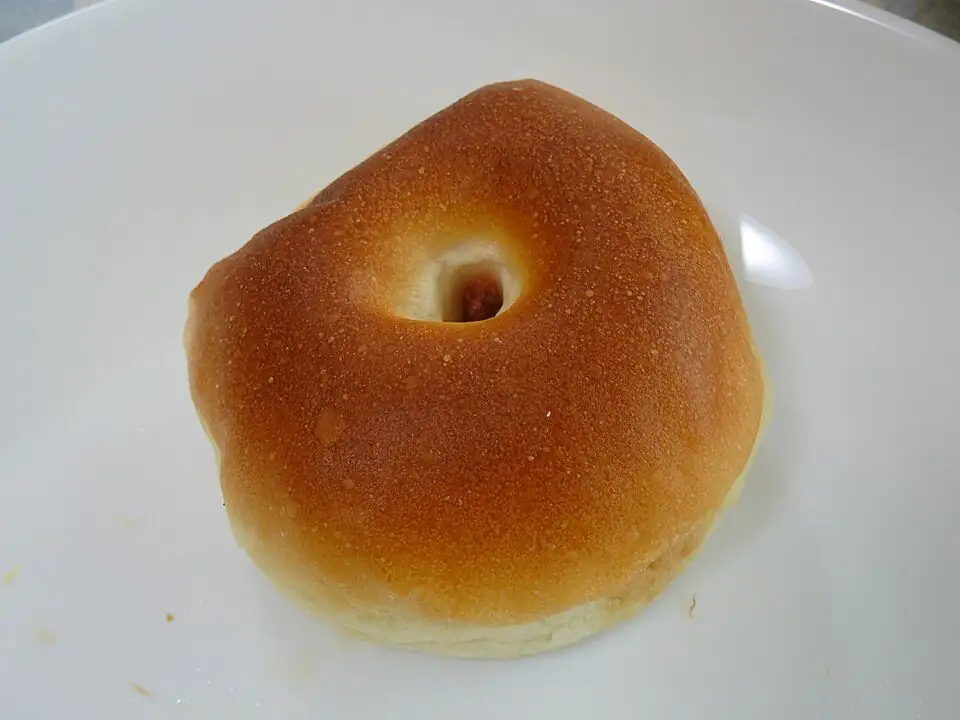
Shiose manju are steamed buns with a dough of yam and rice flour around a bean-paste filling. Because the yam holds more or less water from season to season, the confectioners judge by feel how much rice flour to work in. Tradition says a descendant of Jingyin devised this kind of yam-dough bun, which became the basis of Shiose's manju. The bean paste is made from azuki grown in Otofuke, in the Tokachi region of Hokkaido.1468
The family began trading in Akashicho in 1940 and set up Shiose Sohonke there in 1951. In 1996 it built an eight-story head office building in Akashicho. Besides manju, it makes yokan (firm sweet bean jelly), monaka (wafer shells filled with bean paste) and seasonal fresh sweets, sold to take home. The main shop is an 8-minute walk from Exit 3 of Tsukiji Station on the Tokyo Metro Hibiya Line.579
History
- 1349
Founder Lin Jingyin arrives from China and sells manju in Nara.
- 1467
The family flees the Onin War to Shiose in Mikawa and takes its name.
- 1659
Moves to Edo and opens a shop in Nihonbashi.
- 1951
Shiose Sohonke is set up in Akashicho.
- 1996
An eight-story head office is built in Akashicho.
At the shop
Photos2 photos
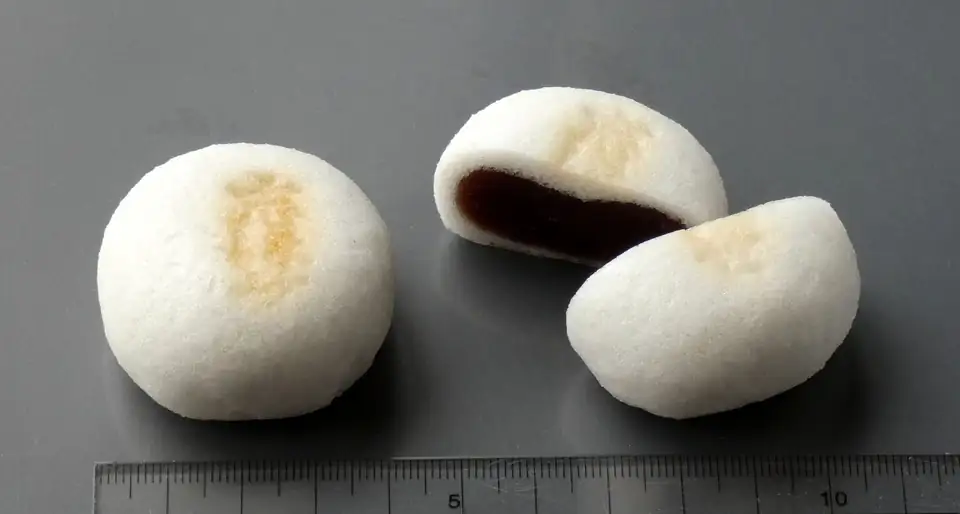
Shiose manju (steamed buns filled with sweet red bean paste)Photo: 毒島みるく · CC0 · Wikimedia Commons
Compiled by our editors from public sources. We warmly welcome corrections from the shop.
Nearby
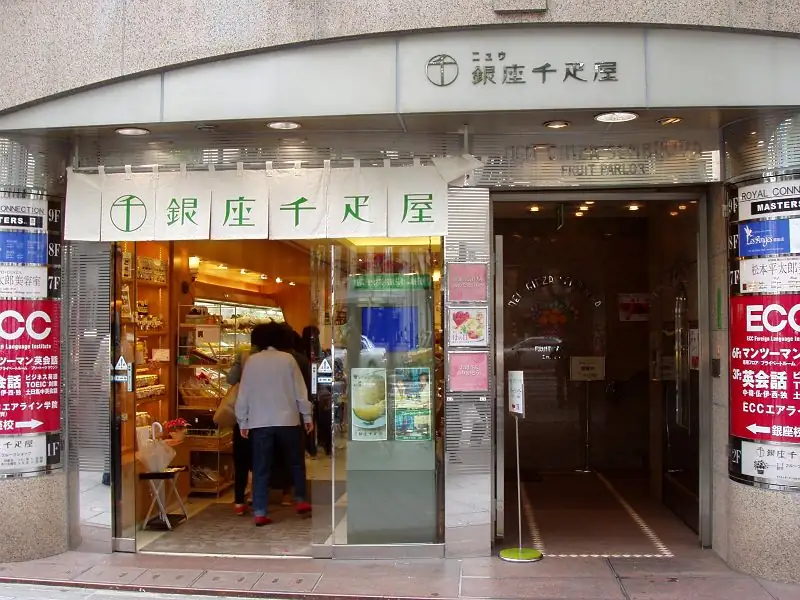
Same food
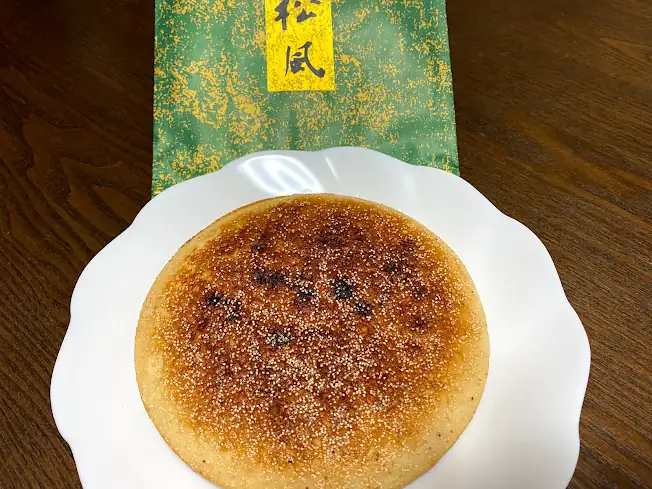 Est. c. 1421Kameya MutsuMatsukaze (baked miso cake)See this shop →
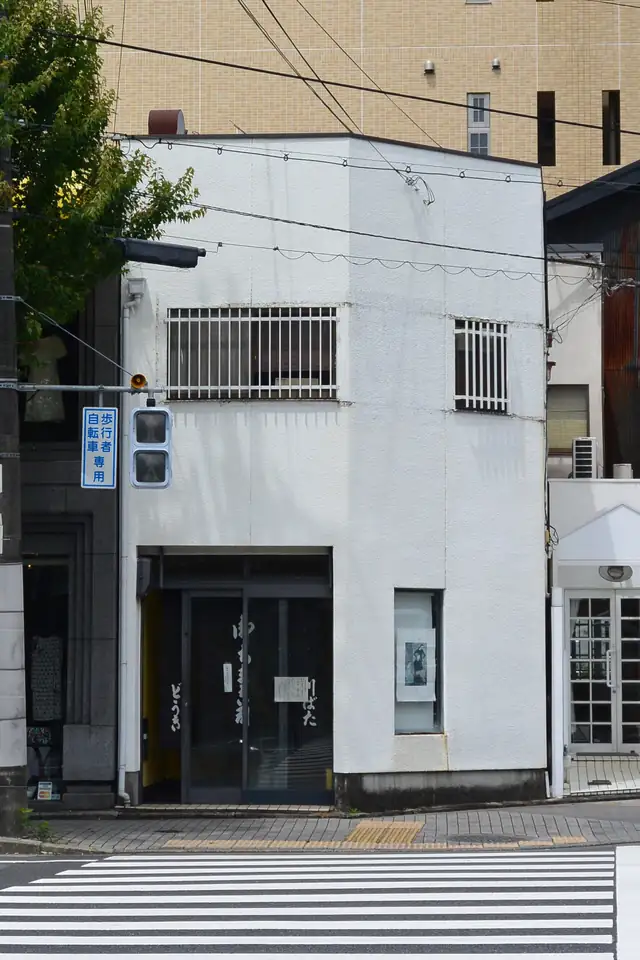 Est. 1503Kawabata DokiSuisen chimakiSee this shop →
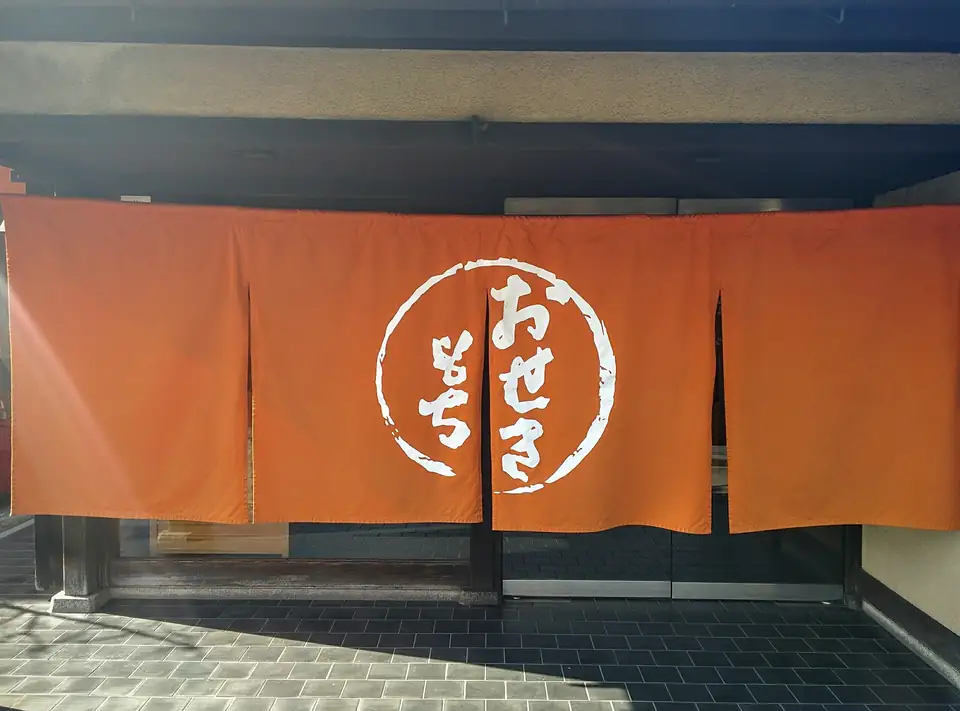 Est. c. 1569OsekimochiOseki mochi (plain and mugwort rice cakes topped with coarse bean paste)See this shop →
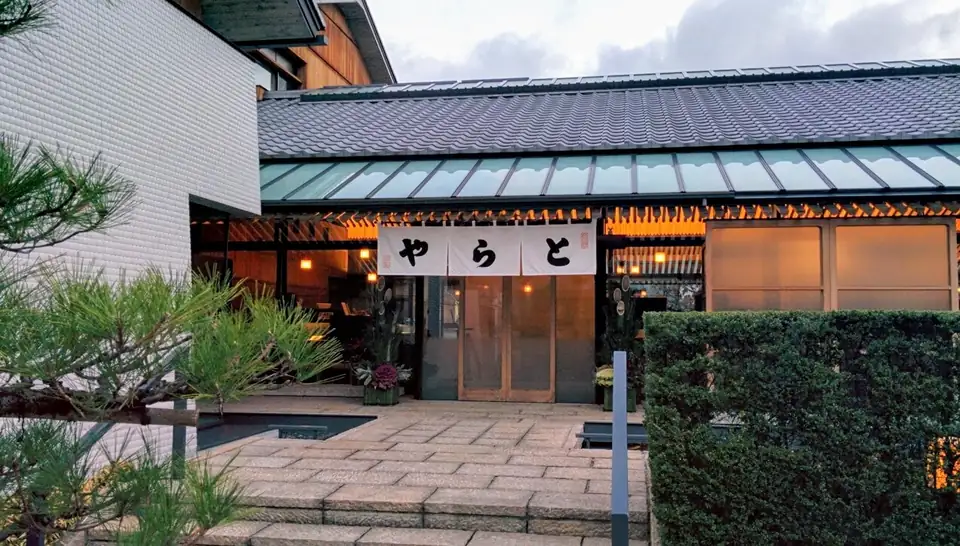 Est. c. 1586Toraya Kyoto Ichijo Store & Toraya Karyo Kyoto IchijoYoru no Ume yokanSee this shop →
When this shop first opened
c. 1349 (by tradition)
677 years since.
- 1053Byodo-in's Phoenix Hall is completed
- 1349Founded
- 1397Work begins on Kitayama-dono (Kinkaku-ji)
- 2026Today
Each event on the timeline is checked against a source.
See sources
1053: 観光庁 多言語解説文データベース「平等院の美術」(宗教法人 平等院); 1397: 京都市「鹿苑寺(金閣寺)周辺エリア」