Ryokujuan Shimizu (main shop)
In Japanese: 緑寿庵清水 京都本店
Est. 1847
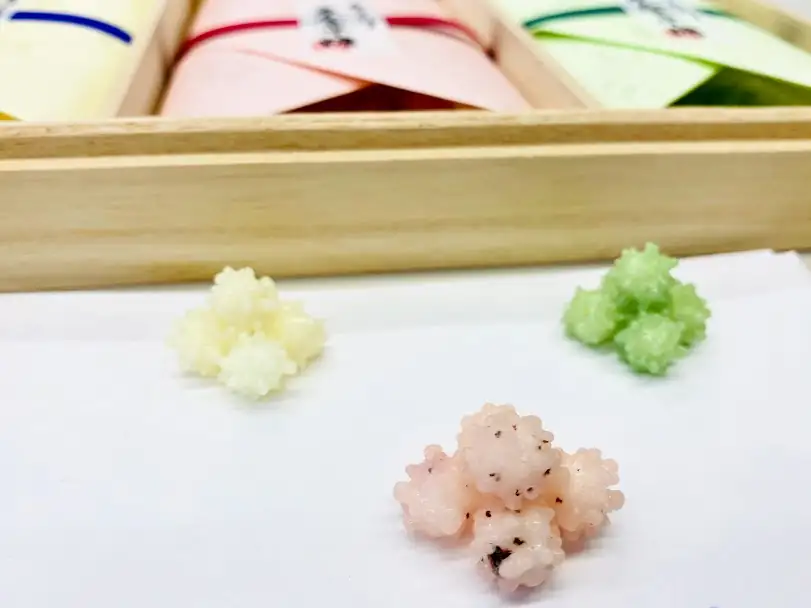
Ryokujuan Shimizu is a konpeito (sugar candy) shop at Hyakumanben in northern Kyoto, open on the same spot since 1847. Syrup is poured over the candy in a tilted, rotating pan and dried again and again, and each kind takes about 16 to 20 days to grow its points. The shop makes about 60 kinds, many of them seasonal.
- What to try
- Konpeitoabout 60 kinds including seasonal flavors
- Address
- 38-2 Yoshida Izumidono-cho, Sakyo-ku, Kyoto
- Getting there
- 10-minute walk from Exit 2 of Demachiyanagi Station (Keihan Line), or 2 minutes from the Hyakumanben bus stop
- At the shop
- Take out
- Founded
- 1847
- Era
- Edo period
- Food
- Wagashi
About Ryokujuan Shimizu (main shop)
The first owner, Shimizu Senkichi, opened the shop in 1847 on the same spot at Hyakumanben where it stands today. The third head began making cinnamon and thick matcha konpeito, and the fourth took up a wide range of ingredients in earnest. The fifth head, Shimizu Yasuhiro, widened the range together with the fourth head, and the shop now makes about 60 kinds.41
Each piece starts from a grain of ira-ko (finely crushed glutinous rice). In a tilted, rotating pan, syrup is poured over and dried again and again until points form. A flavored konpeito takes about 16 to 20 days. There is no recipe: the craftsman judges by the sound of the pan and the feel of the spatula, and adjusts the syrup, the pan's angle and its heat to the weather. Even plain sugar konpeito takes about 20 years to master.51
The shop still keeps the pans and tools used by its founder. Around the late 1860s the fire was made with smokeless coal, and one kind took about two months. In 2000 the founder's tools were shown at the Museum of Kyoto. The shop does not sell online; orders are taken by phone or fax, and limited items can be reserved.46
It is a 10-minute walk from Exit 2 of Demachiyanagi Station on the Keihan Line, or 2 minutes from the Hyakumanben bus stop. Many kinds are seasonal, and because the candy grows slowly over time, it is often chosen as a wedding gift.61
History
- 1847
Shimizu Senkichi opens the shop at Hyakumanben.
- 1917
Receives a bronze merit award.
- 1998
Wins the top honor at the national confectionery fair.
- 2000
The founder's tools are shown at the Museum of Kyoto.
At the shop
Compiled by our editors from public sources. We warmly welcome corrections from the shop.
Nearby
 Est. 1856Ajari-mochi Honpo Mangetsu (main shop)Ajari-mochiSee this shop →
 Est. 1899Demachi FutabaMame-mochi (bean rice cake) and seasonal mochi sweetsSee this shop →
 Est. c. 1689Honke Nishio Yatsuhashi (main shop)Baked yatsuhashiSee this shop →
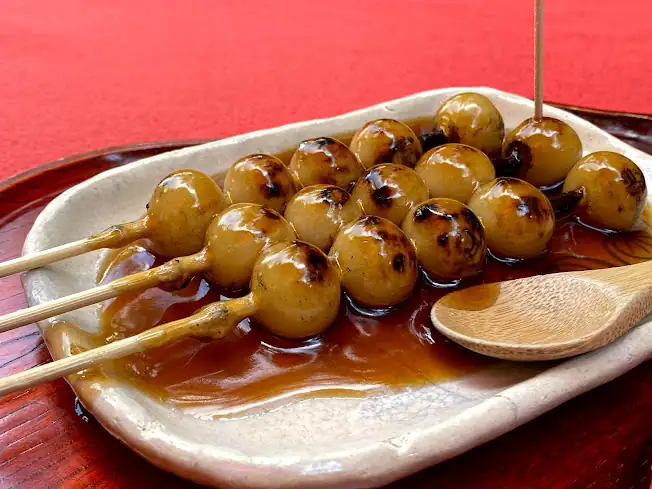 Est. 1922Kamo Mitarashi ChayaMitarashi dango (grilled rice dumplings in sweet soy glaze)See this shop →
Same food
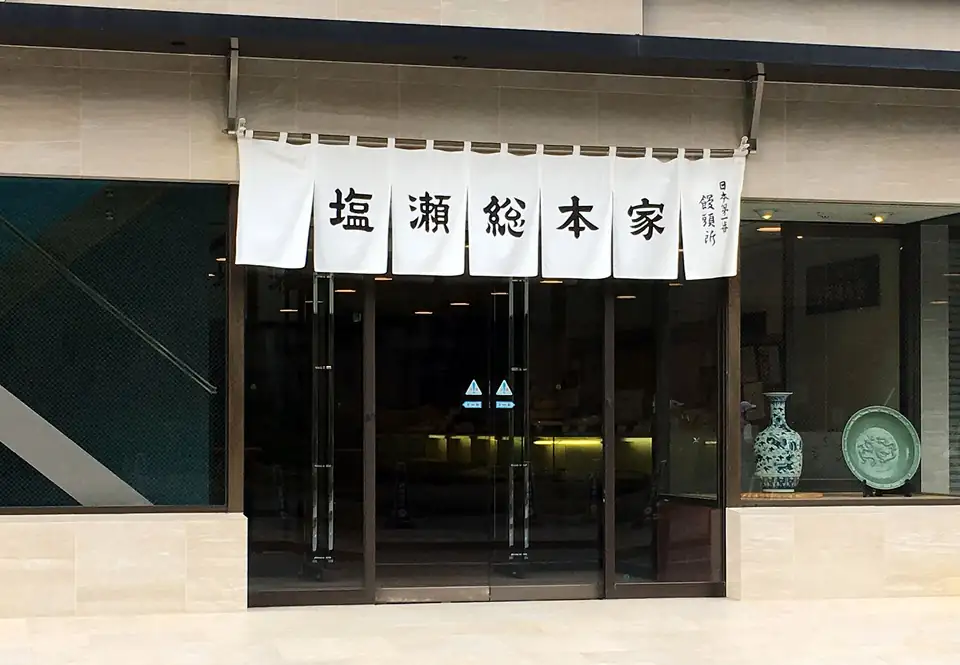 Est. c. 1349Shiose SohonkeShiose manju (steamed buns with yam and rice-flour dough)See this shop →
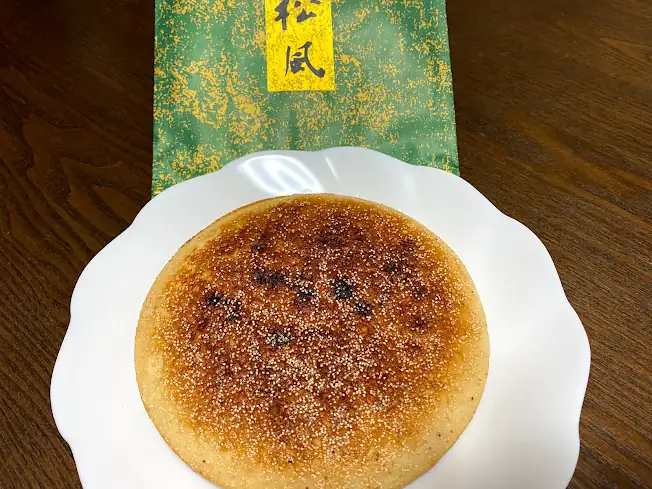 Est. c. 1421Kameya MutsuMatsukaze (baked miso cake)See this shop →
 Est. 1503Kawabata DokiSuisen chimakiSee this shop →
 Est. c. 1569OsekimochiOseki mochi (plain and mugwort rice cakes topped with coarse bean paste)See this shop →
When this shop first opened
1847
179 years since.
- 1802The first volume of Tokaidochu Hizakurige appears
- 1847Founded
- 1853Perry's ships arrive at Uraga
- 2026Today
Each event on the timeline is checked against a source.
See sources
1802: 静岡県立中央図書館「温故知新」十返舎一九と『膝栗毛』; 1853: 外務省「六月三日ヨリ十二日迄異国船進退之図」解説