Kameya Mutsu
In Japanese: 亀屋陸奥
Est. c. 1421by tradition
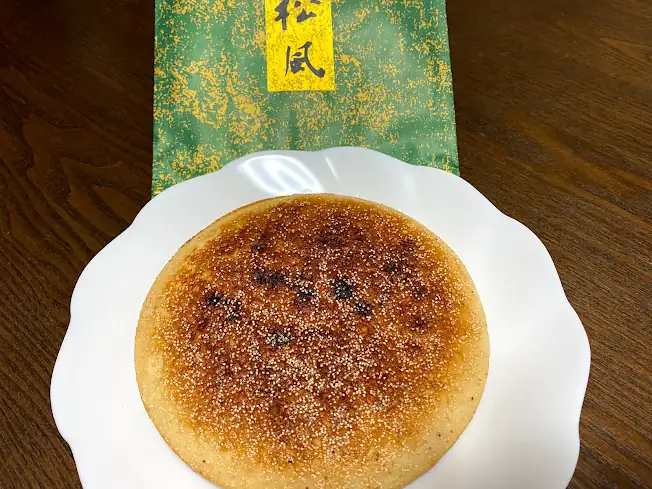
Kameya Mutsu is a confectioner in front of Nishi Honganji Temple in Kyoto, said to date from 1421. It still makes offerings for Honganji. Its matsukaze is a baked cake of fermented dough with white miso, sprinkled with poppy seeds. Tradition says it began as food for the defenders of Ishiyama Honganji during a long siege.
- What to try
- Matsukaze(baked miso cake)
- Address
- 153 Hishiya-cho, Nishinakasuji-dori Shichijo-agaru, Shimogyo-ku, Kyoto
- Getting there
- In front of Shichijo-Horikawa bus stop (Kyoto City Bus); about a 12-minute walk from Kyoto Station (JR, Kintetsu, Kyoto Municipal Subway)
- At the shop
- Take out
- Founded
- c. 1421 (by tradition)
- Era
- Kamakura–Muromachi period
- Food
- Wagashi
About Kameya Mutsu
Kameya Mutsu is said to have been founded in 1421. According to the shop, it has prepared offerings and helped with celebrations for Honganji Temple since the time of the priest Rennyo. It kept this role after the temple moved to Yamashina. When Honganji settled at Rokujo-Horikawa in 1591, the family was given land near the temple grounds.1
The matsukaze is made from wheat flour, sugar, malt syrup and white miso, left to ferment naturally. The dough is poured into a flat pan about 45.5 cm across, sprinkled with poppy seeds and baked. The large round is then cut into strips. Tradition says the third head, Otsuka Jiemon Haruchika, created it as rations during the siege of Ishiyama Honganji. Its name is said to come from a poem by the priest Kennyo.15
The shop name comes from a large cypress-wood turtle linked to Toyotomi Hideyoshi, received in the Edo period (1603–1868), and from the court title “Mutsu no Daijo” granted in 1715. The shop still prepares offerings for Honganji for memorial services and yearly events. Its plastered building has slatted windows in quince and heart shapes. Kyoto City has selected it as one of the city’s treasured buildings and gardens.17
It is in front of the Shichijo-Horikawa bus stop, about a 12-minute walk from Kyoto Station. There is no parking.6
History
- 1421
Said to be founded.
- 1591
Honganji moves to Rokujo-Horikawa, and the family receives land nearby. The siege cake is named matsukaze.
- 1715
Receives the title Mutsu no Daijo and takes the name Kameya Mutsu.
- 1900
Wins a silver medal for its confectionery samples at the Paris World’s Fair.
At the shop
Compiled by our editors from public sources. We warmly welcome corrections from the shop.
Nearby
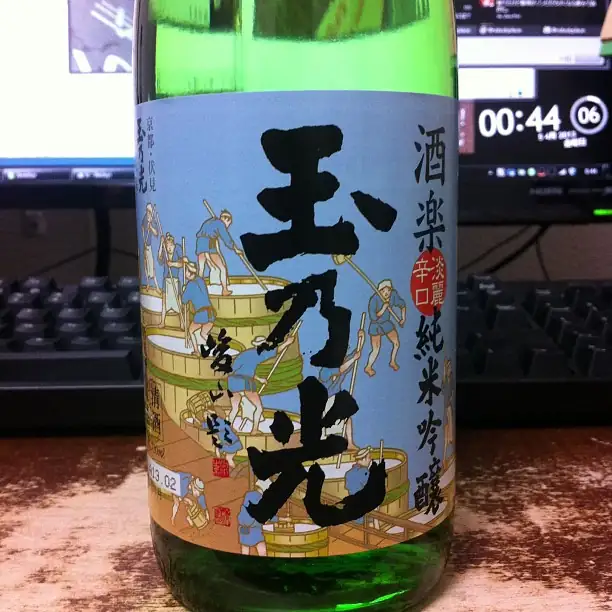 Est. 1673Junmai Sakekasu Tamanohikari (Tamanohikari Sake Brewery shop)The brewery’s own junmai ginjo sakeSee this shop →
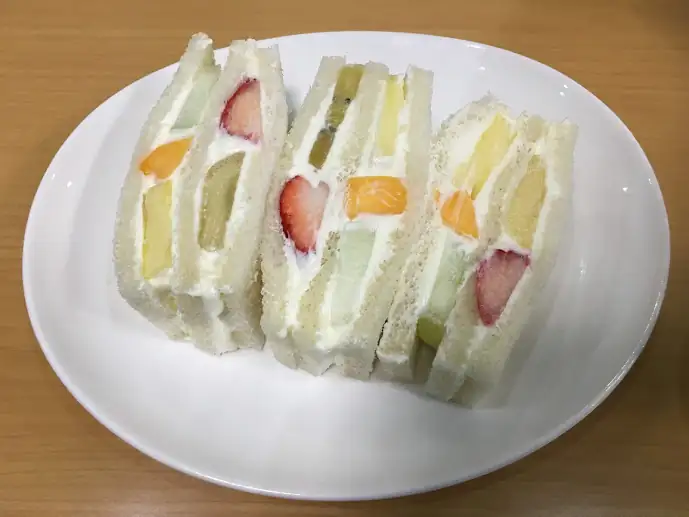 Est. 1869Yaoiso (fruit shop and Fruit Parlor Yaoiso)Fruit sandwichesSee this shop →
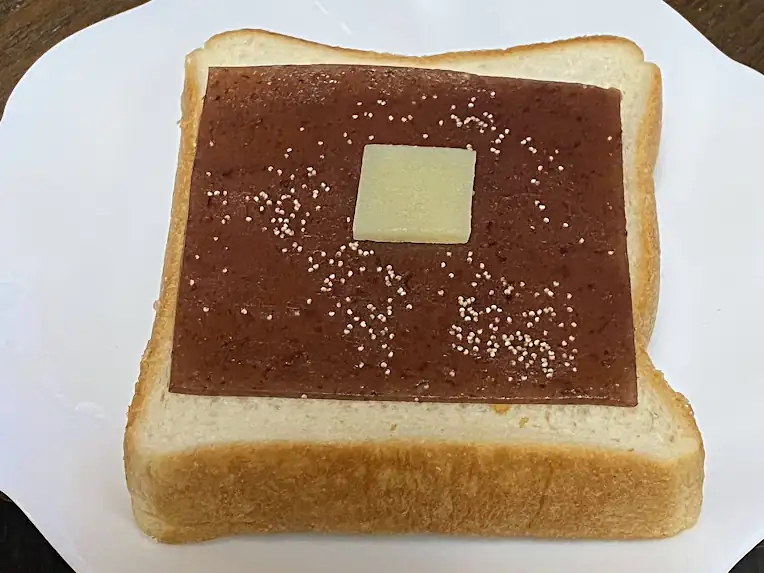 Est. 1803Kameya Yoshinaga (main shop)Ubatama (bean paste glazed with agar)See this shop →
- Est. 1716Sasaya Iori (main shop)Dorayaki (sold only on the 20th–22nd of each month)See this shop →
Same food
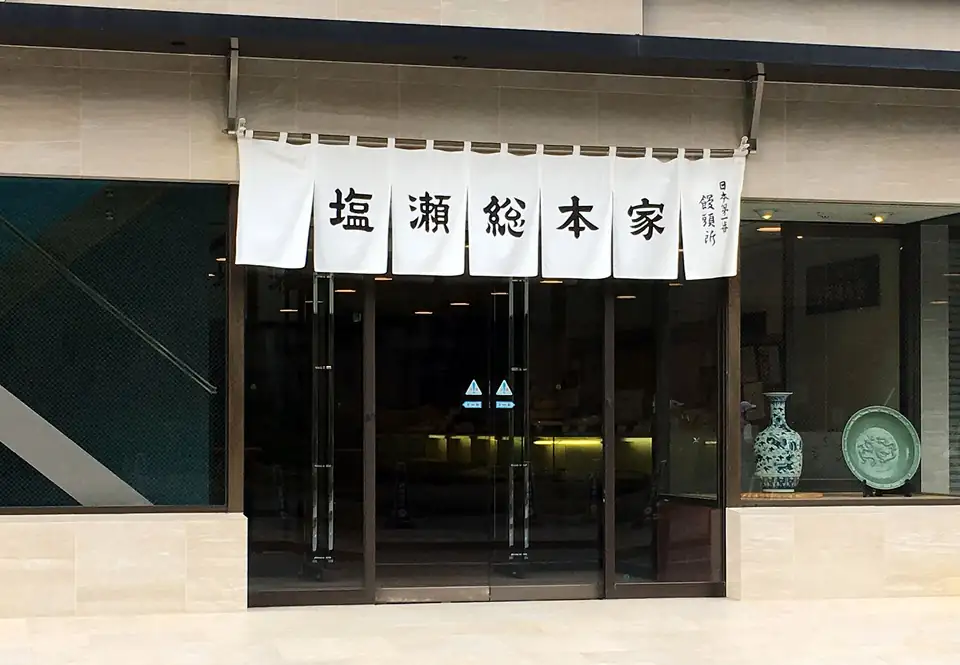 Est. c. 1349Shiose SohonkeShiose manju (steamed buns with yam and rice-flour dough)See this shop →
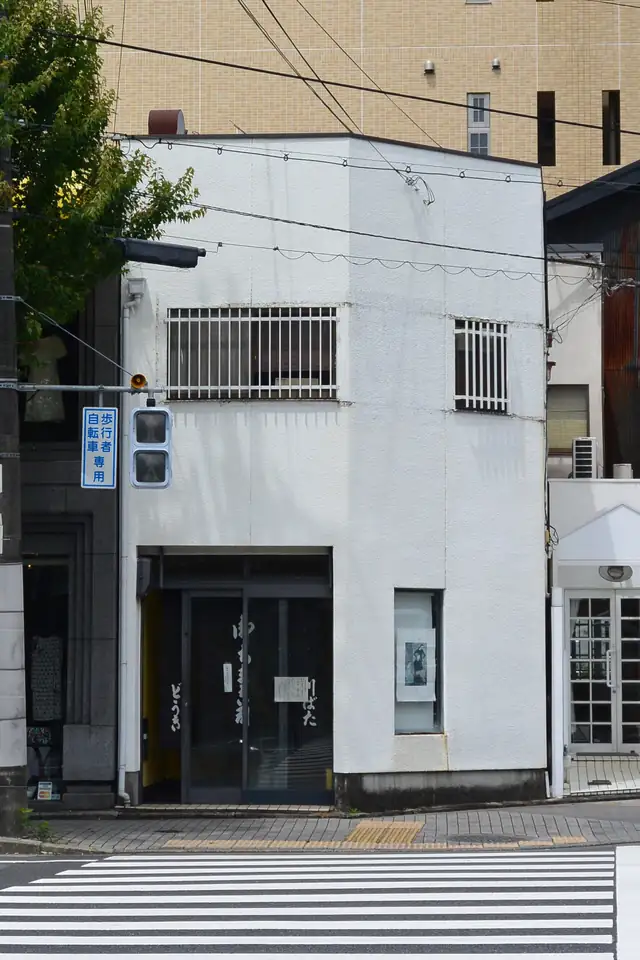 Est. 1503Kawabata DokiSuisen chimakiSee this shop →
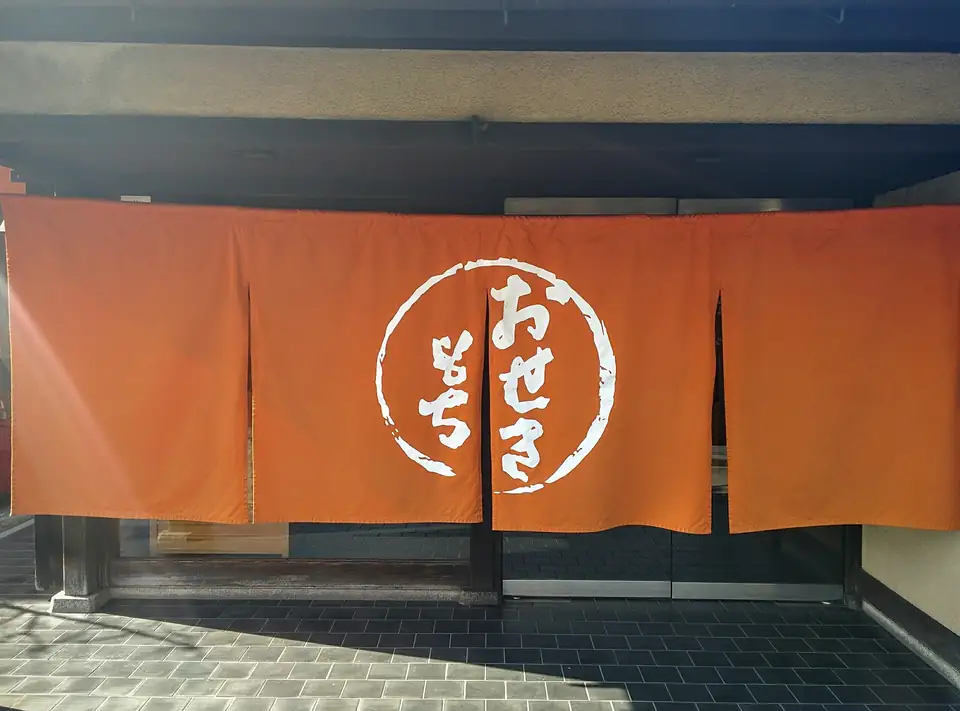 Est. c. 1569OsekimochiOseki mochi (plain and mugwort rice cakes topped with coarse bean paste)See this shop →
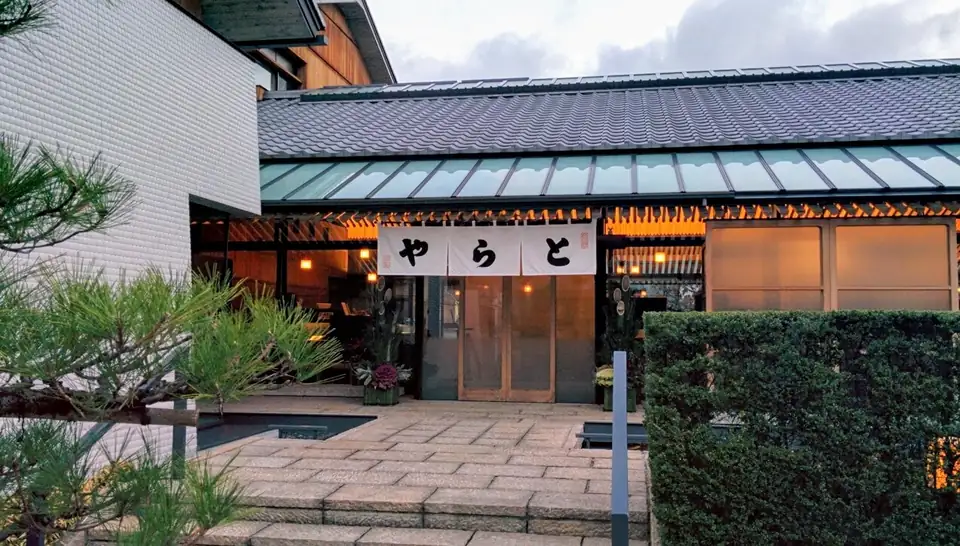 Est. c. 1586Toraya Kyoto Ichijo Store & Toraya Karyo Kyoto IchijoYoru no Ume yokanSee this shop →
When this shop first opened
c. 1421 (by tradition)
605 years since.
- 1397Work begins on Kitayama-dono (Kinkaku-ji)
- 1421Founded
- 1482Work begins on Higashiyama-dono (Ginkaku-ji)
- 2026Today
Each event on the timeline is checked against a source.
See sources
1397: 京都市「鹿苑寺(金閣寺)周辺エリア」; 1482: 文化庁 文化遺産オンライン「慈照寺(通称:銀閣寺)」(世界遺産推薦書)