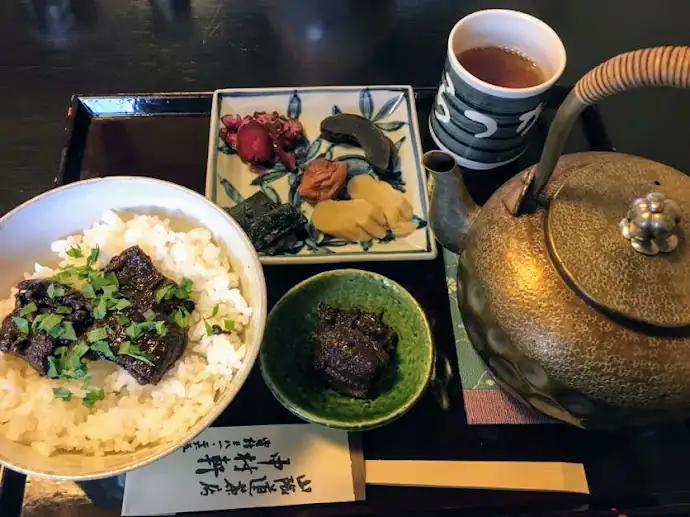
Nakamuraken
In Japanese: 御菓子司 中村軒
Est. 1883
Nakamuraken is a mochi (rice cake) shop by Katsura Bridge, just south of Katsura Imperial Villa in western Kyoto, open since 1883. Its mugite mochi takes its name from the founder, who carried rice cakes out to farmers in the fields and was paid in wheat. The bean paste is still cooked over oak firewood in a traditional clay stove behind the shop.
- What to try
- Mugite mochiKatsura manju and summer shaved ice
- Address
- 61 Katsura Asahara-cho, Nishikyo-ku, Kyoto
- Getting there
- 11- to 12-minute walk from Katsura Station (Hankyu Line)
- At the shop
- Eat inTake out
- Founded
- 1883
- Era
- Meiji era
- Food
- Wagashi
About Nakamuraken
Nakamuraken opened in 1883, just south of Katsura Imperial Villa. Tradition says the founder carried rice cakes out to farmers too busy with the wheat harvest to leave the fields, and was paid in wheat. That is said to be how mugite mochi, the shop’s signature, got its name. The fifth owner, Nakamura Ryota, took over in April 2019.12
For mugite mochi, Japanese glutinous rice is pounded with a wooden mallet, adjusted each day to the water in the rice. It is wrapped around chunky azuki paste from Hokkaido and dusted generously with fragrant kinako (roasted soybean flour). The mochi hardens over time, so it should be eaten the same day. Katsura manju has also been made since the early days.124
The bean paste is cooked in copper pots on a large clay stove in the workshop behind the shop, fired with oak wood. Chunky paste takes about four hours and smooth paste six to seven. The water comes from a well on the grounds. When the shop sold in more department stores it brought in machines, but it later scaled its business to what the stove can cook, and over 90 percent is now made by hand.1
The tearoom at the back was once the family home. It was extensively rebuilt for earthquake safety, while the dignified front building was kept. The tearoom serves seasonal sweets and light meals, and in summer there is shaved ice made with Katsura uri, a melon grown in Katsura since the Edo period. The shop is an 11- to 12-minute walk from Hankyu Katsura Station.124
History
- 1883
Opens as a mochi shop south of Katsura Imperial Villa.
- 2019
Nakamura Ryota takes over as fifth owner.
- 2021
Renovates the shop, keeping the front building.
At the shop
Compiled by our editors from public sources. We warmly welcome corrections from the shop.
Same food
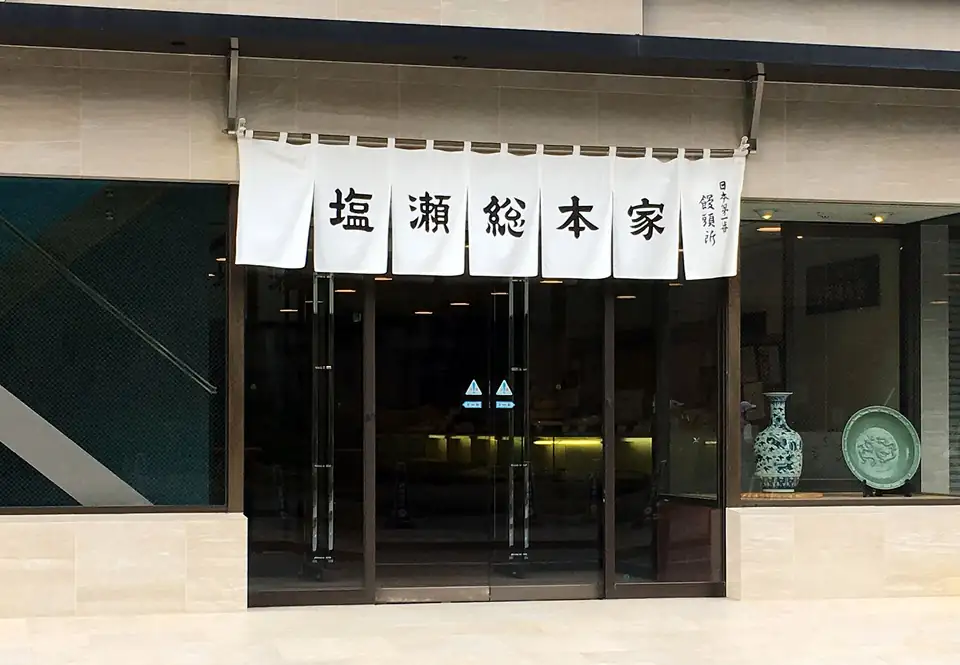 Est. c. 1349Shiose SohonkeShiose manju (steamed buns with yam and rice-flour dough)See this shop →
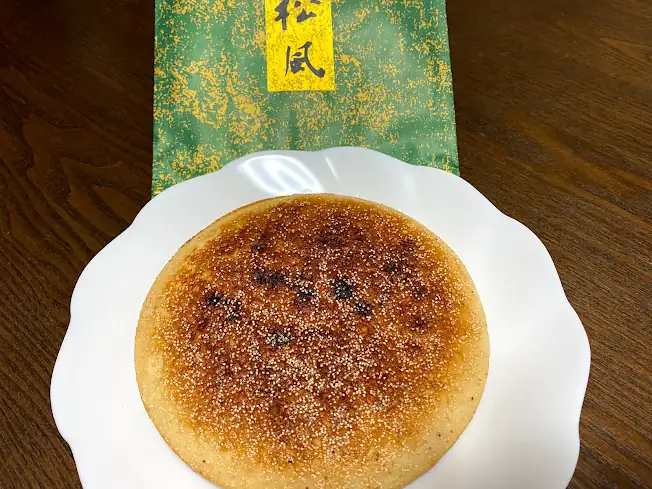 Est. c. 1421Kameya MutsuMatsukaze (baked miso cake)See this shop →
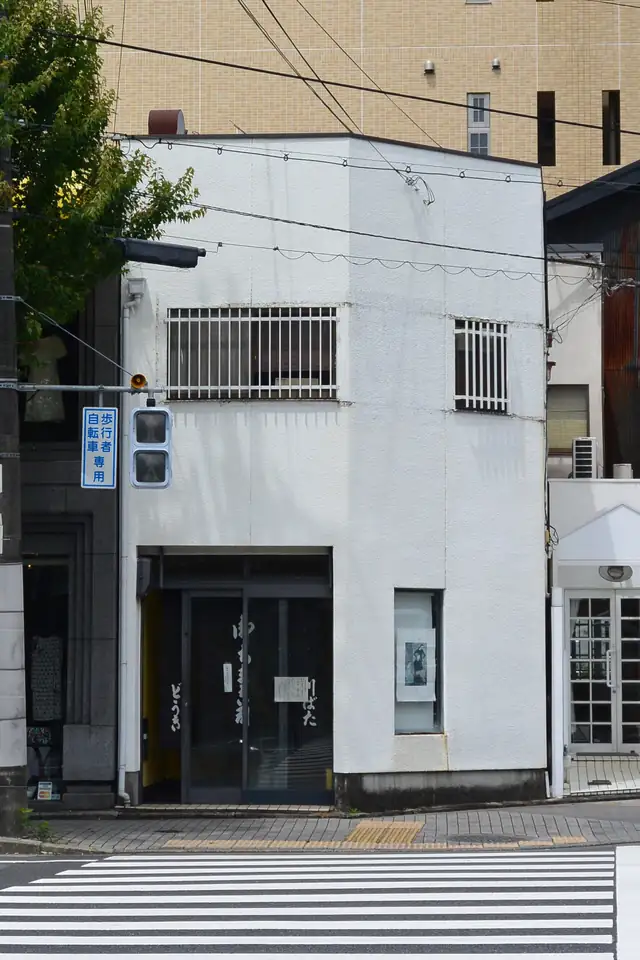 Est. 1503Kawabata DokiSuisen chimakiSee this shop →
 Est. c. 1569OsekimochiOseki mochi (plain and mugwort rice cakes topped with coarse bean paste)See this shop →
When this shop first opened
1883
143 years since.
- 1872Japan's first railway opens
- 1883Founded
- 1895Heian Shrine is founded
- 2026Today
Each event on the timeline is checked against a source.
See sources
1872: 港区「鉄道開業150年 港区と鉄道の夜明け」; 1895: 観光庁 多言語解説文データベース「平安神宮 概要」(平安神宮)