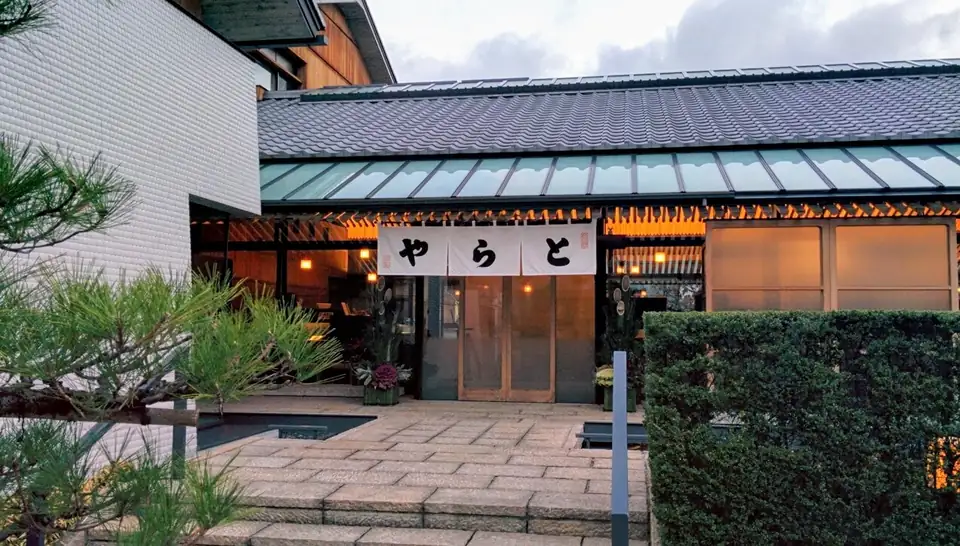
Toraya Kyoto Ichijo Store & Toraya Karyo Kyoto Ichijo
In Japanese: とらや 京都一条店・虎屋菓寮 京都一条店
Est. c. 1586
Toraya Kyoto Ichijo is a wagashi (traditional Japanese sweets) shop and café west of the Kyoto Imperial Palace, open since around 1586. Founded in Kyoto in the late Muromachi period, Toraya supplied sweets to the imperial palace from the reign of Emperor Go-Yozei. At the Toraya Karyo café you can have yokan (a firm sweet bean jelly) and seasonal sweets beside a garden with an Edo-period storehouse and a small Inari shrine.
- What to try
- Yoru no Ume yokanseasonal fresh sweets, kinako anmitsu (Kyoto only)
- Address
- 400 Hirohashidono-cho, Ichijo-dori Karasuma-nishi-iru, Kamigyo-ku, Kyoto
- Getting there
- About a 7-minute walk from Imadegawa Station (Kyoto Municipal Subway Karasuma Line) to the café
- At the shop
- Eat inTake out
- Founded
- c. 1586
- Era
- Azuchi-Momoyama period
- Food
- Wagashi
About Toraya Kyoto Ichijo Store & Toraya Karyo Kyoto Ichijo
Toraya was founded in Kyoto in the late Muromachi period (1336–1573) and supplied the imperial palace from the reign of Emperor Go-Yozei (1586–1611). It has had a shop on this site since before 1628 at the latest; a deed from that year for more land survives. When the capital moved to Tokyo in 1869, Toraya opened in Tokyo too and kept its Kyoto shop.1234
There are two sites: the Toraya Kyoto Ichijo shop facing Karasuma-dori, and the Toraya Karyo café a short way west along Ichijo-dori. The café serves kinako anmitsu (a Kyoto-only dessert with roasted soybean flour), seasonal fresh sweets that change twice a month, Yoru no Ume yokan with red beans and iced matcha. Some small yokan bars are sold only in Kyoto.34
The café was renewed in 2009 and was designed by the architect Hiroshi Naito. Its ceiling of Yoshino cedar forms a gentle arch over a wide space with no pillars. To the north is a garden with an L-shaped pool and lawn, planted with trees linked to wagashi, such as plum, oak, cherry and maple. An Edo-period storehouse and a small Inari shrine stand at the back. About 600 books on Japanese culture are free to read.134
The café is about a 7-minute walk from Imadegawa Station on the Karasuma subway line. There are terrace seats, but you cannot choose your seat.3
History
- 1586
Emperor Go-Yozei takes the throne; Toraya supplies the palace during his reign.
- 1628
A deed for more land on the present café site survives from this year.
- 1869
Opens in Tokyo while keeping its Kyoto shop.
- 2009
Opens the new Kyoto site, including the café, on its old factory grounds.
At the shop
Compiled by our editors from public sources. We warmly welcome corrections from the shop.
Nearby
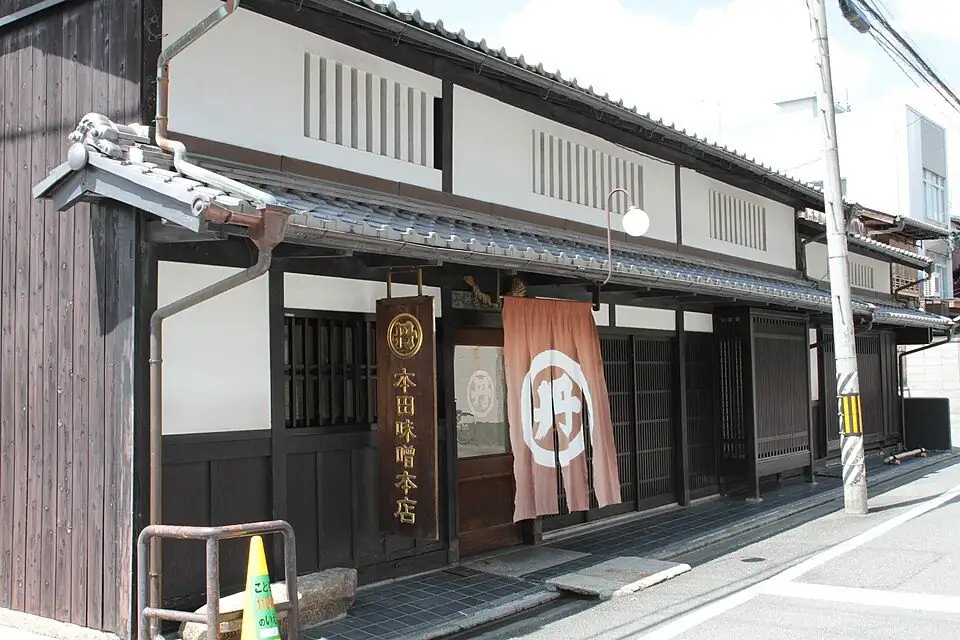 Est. 1830Honda Miso HontenSaikyo white miso and Ichiwan instant miso soupSee this shop →
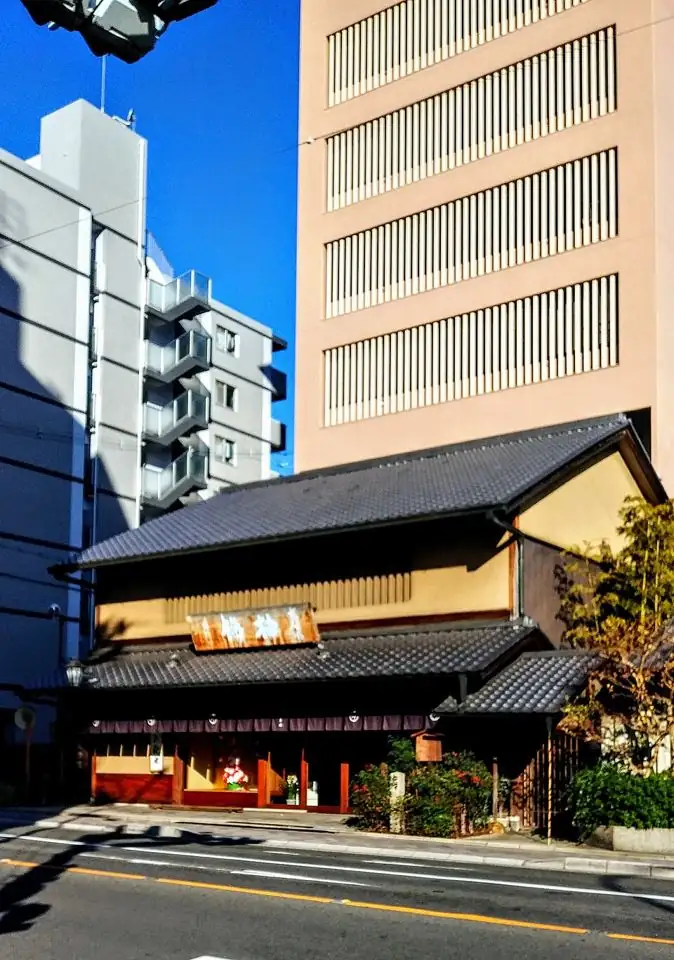 Est. 1803Tsuruya Yoshinobu (main shop)YumochiSee this shop →
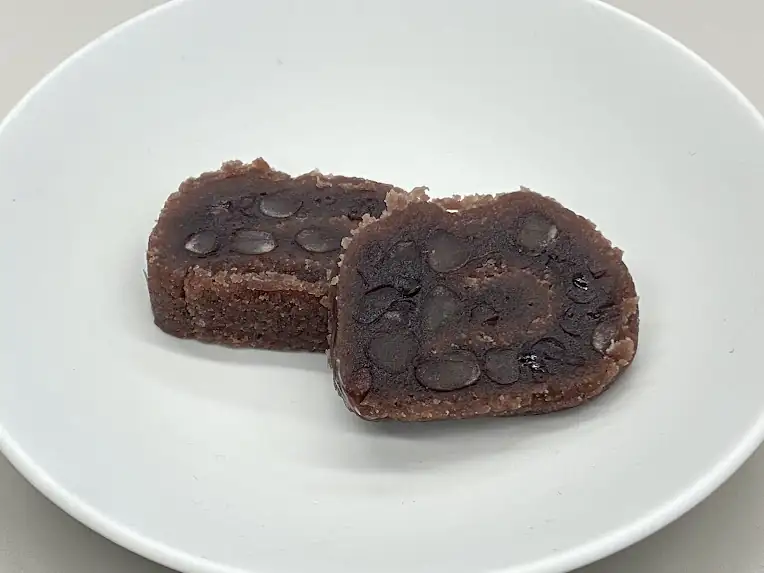 Est. 1755Tawaraya YoshitomiUnryu and white UnryuSee this shop →
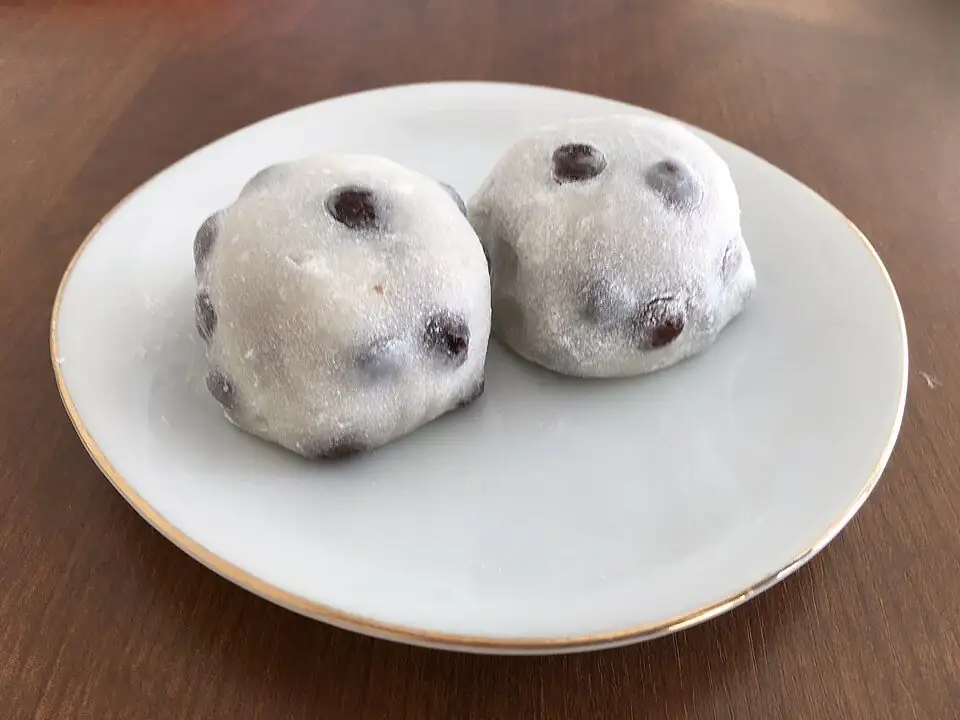 Est. 1899Demachi FutabaMame-mochi (bean rice cake) and seasonal mochi sweetsSee this shop →
Same food
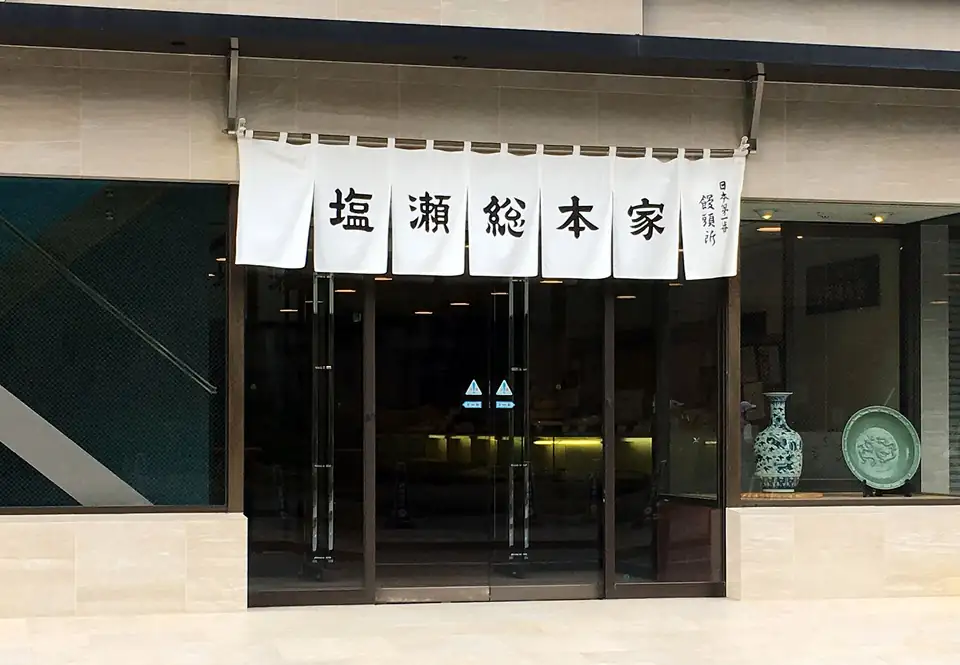 Est. c. 1349Shiose SohonkeShiose manju (steamed buns with yam and rice-flour dough)See this shop →
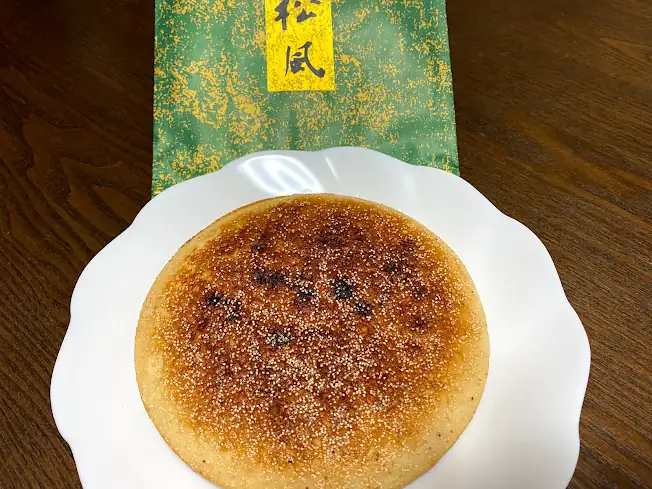 Est. c. 1421Kameya MutsuMatsukaze (baked miso cake)See this shop →
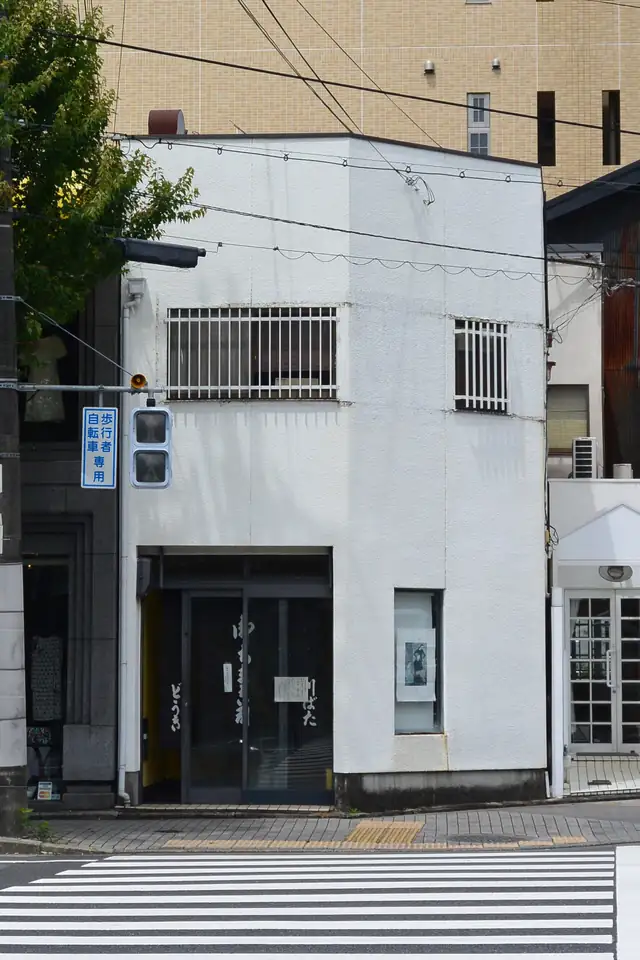 Est. 1503Kawabata DokiSuisen chimakiSee this shop →
 Est. c. 1569OsekimochiOseki mochi (plain and mugwort rice cakes topped with coarse bean paste)See this shop →
When this shop first opened
c. 1586
440 years since.
- 1482Work begins on Higashiyama-dono (Ginkaku-ji)
- 1586Founded
- 1603The Edo shogunate begins
- 2026Today
Each event on the timeline is checked against a source.
See sources
1482: 文化庁 文化遺産オンライン「慈照寺(通称:銀閣寺)」(世界遺産推薦書); 1603: 東京都都市整備局『東京の都市づくり通史』序章