Mizuta Gyokuundo
In Japanese: 水田玉雲堂
Est. c. 1520
Mizuta Gyokuundo is a confectioner at the gate of Kamigoryo Shrine in Kyoto that sells one item, karaita (thin baked crackers), open since around 1520. The crackers are said to come from offerings made to calm an epidemic. They were lost in the Onin War and revived by the family’s ancestors. Each one is baked by hand.
- What to try
- Karaita(thin baked crackers)
- Address
- 394 Kamigoryo-mae-cho, Kamigyo-ku, Kyoto
- Getting there
- About a 3-minute walk from Kuramaguchi Station (Kyoto Municipal Subway Karasuma Line)
- At the shop
- Take out
- Founded
- c. 1520
- Era
- Kamakura–Muromachi period
- Food
- Wagashi
About Mizuta Gyokuundo
Mizuta Gyokuundo sells only karaita at the gate of Kamigoryo Shrine. Karaita are said to come from crackers offered to the gods to ward off an epidemic in 863. They were lost in the Onin War (1467–1477), and tradition says the family’s ancestors revived them about 500 years ago.23
The crackers are made from wheat flour, sugar, egg and salt. Each one is baked by hand on a copper plate, with the moisture adjusted for the season and temperature. The bubbles that rise while baking leave a pattern, so no two are alike. In Kyoto they are also served as a dry sweet at tea gatherings.123
The owner, Mizuta Chieko, reopened the shop after the previous owner died and carries on the same methods. It is a small shop across from the shrine, and karaita is the only item.12
It is about a 3-minute walk from Kuramaguchi Station on the Karasuma subway line, or about 20 minutes northwest of Demachiyanagi Station on the Keihan Line.12
History
- 1520
Around this time the family’s ancestors are said to revive karaita, lost in the Onin War.
Sources: 2
At the shop
Compiled by our editors from public sources. We warmly welcome corrections from the shop.
For the shop: to send a correction or photos, please use this form.
Nearby
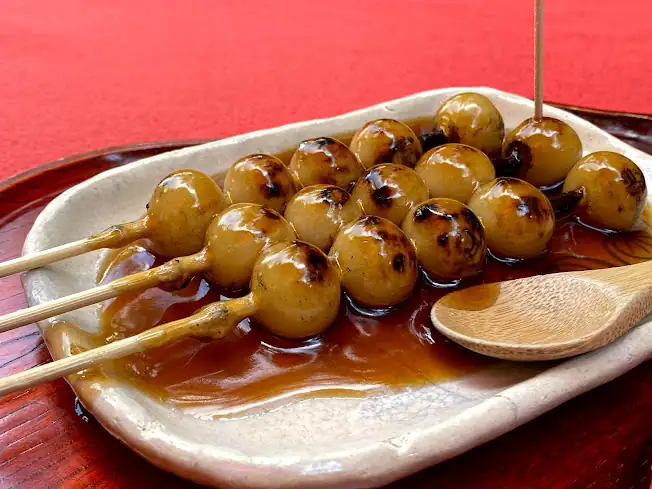 Est. 1922Kamo Mitarashi ChayaMitarashi dango (grilled rice dumplings in sweet soy glaze)See this shop →
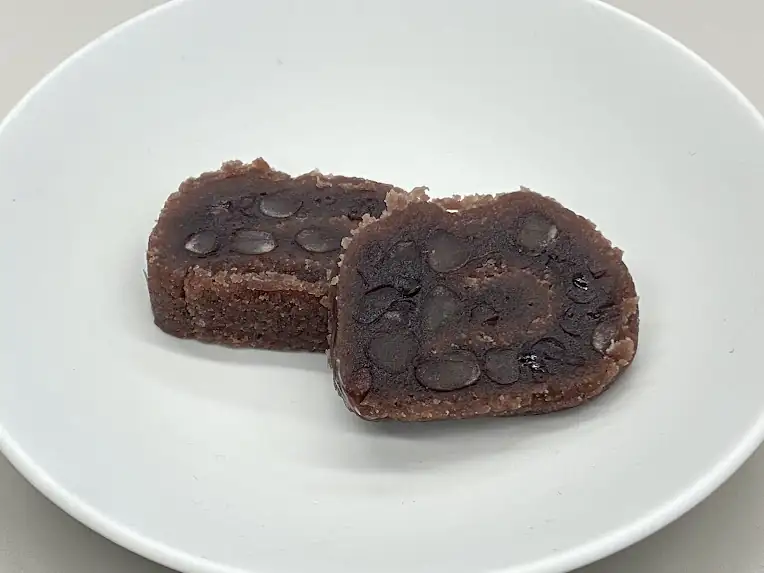 Est. 1755Tawaraya YoshitomiUnryu and white UnryuSee this shop →
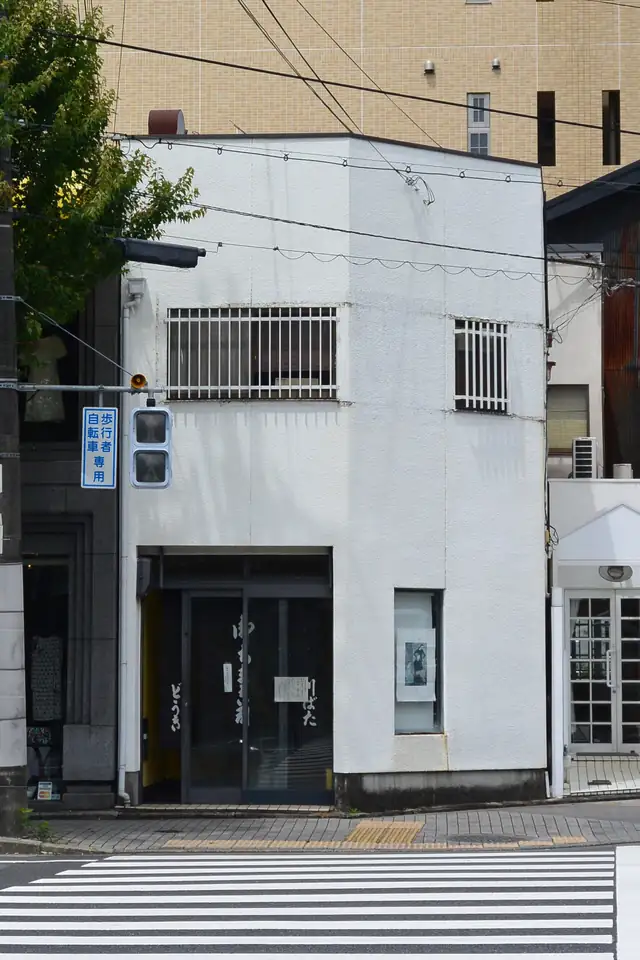 Est. 1503Kawabata DokiSuisen chimakiSee this shop →
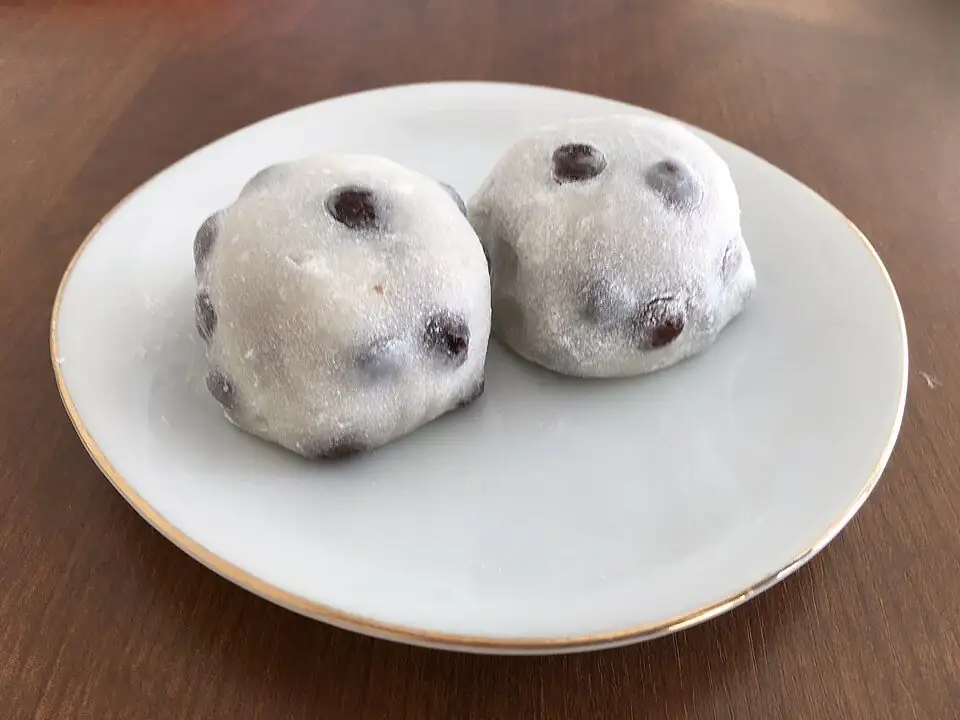 Est. 1899Demachi FutabaMame-mochi (bean rice cake) and seasonal mochi sweetsSee this shop →
Same food
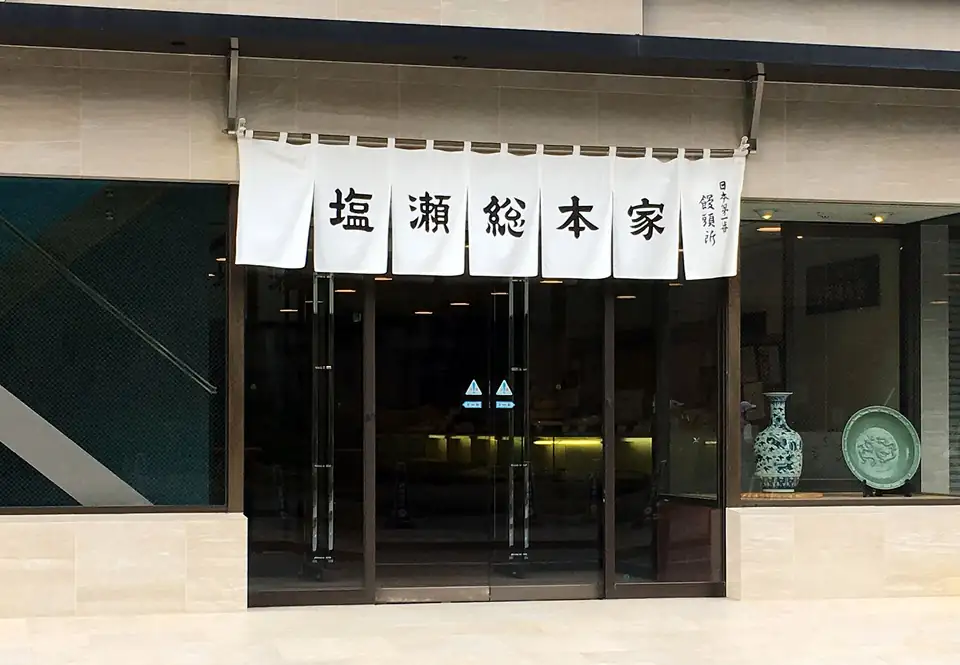 Est. c. 1349Shiose SohonkeShiose manju (steamed buns with yam and rice-flour dough)See this shop →
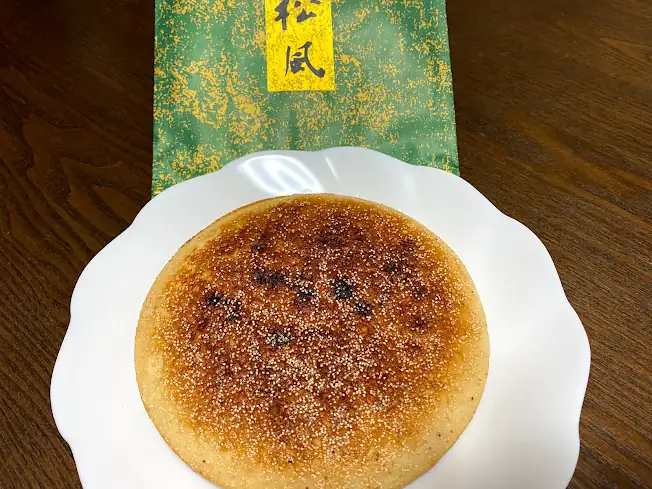 Est. c. 1421Kameya MutsuMatsukaze (baked miso cake)See this shop →
- Est. 1503Kawabata DokiSuisen chimakiSee this shop →
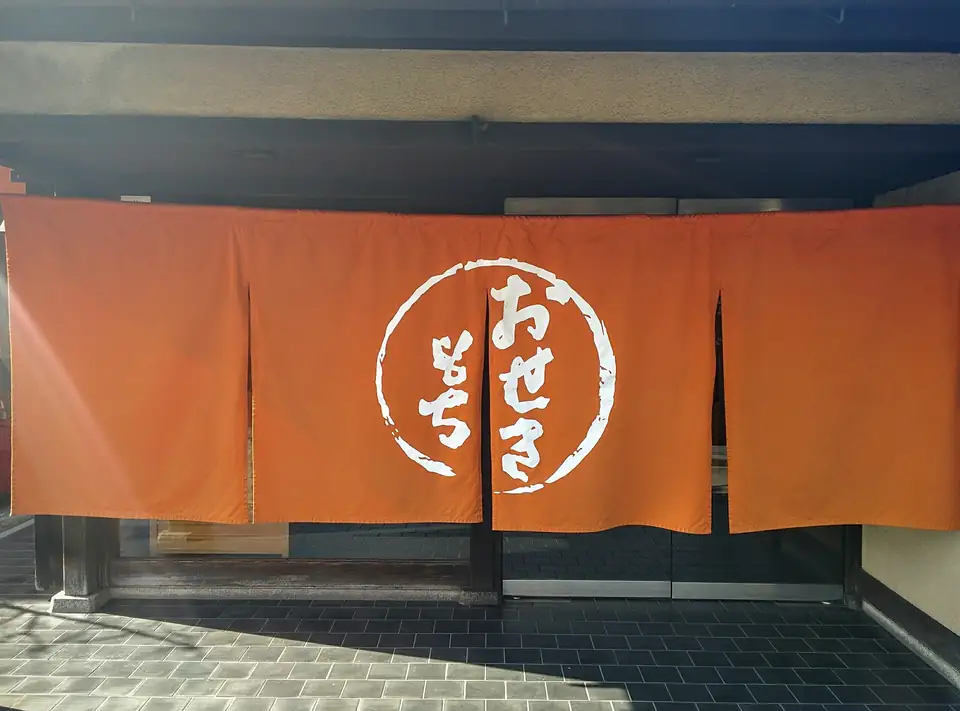 Est. c. 1569OsekimochiOseki mochi (plain and mugwort rice cakes topped with coarse bean paste)See this shop →
When this shop first opened
c. 1520
506 years since.
- 1482Work begins on Higashiyama-dono (Ginkaku-ji)
- 1520Founded
- 1603The Edo shogunate begins
- 2026Today
Each event on the timeline is checked against a source.
See sources
1482: 文化庁 文化遺産オンライン「慈照寺(通称:銀閣寺)」(世界遺産推薦書); 1603: 東京都都市整備局『東京の都市づくり通史』序章