Isegenroku Tachibanaya (main shop)
In Japanese: 伊勢源六 たちばなや 本店
Est. 1708
Isegenroku Tachibanaya is a wagashi (Japanese sweets) shop just east of where Sanjo-dori crosses the Horikawa in Kyoto, open since 1708. Its founder, Iseya Genroku, began making sweets near Horikawa-Anekoji, and the shop has long focused on Kyoto sweets small enough to eat in one bite. It sells Genroku-yaki, bean paste between hand-baked pancakes, and a warabimochi found only at the main shop.
- What to try
- Bite-size Kyoto sweetsGenroku-yaki and hon-warabimochi (main shop only)
- Address
- 16-1 Hashihigashizume-cho, Nakagyo-ku, Kyoto
- Getting there
- About a 6-minute walk from Nijojo-mae Station (Kyoto Municipal Subway Tozai Line); about a 1-minute walk from the Horikawa Sanjo bus stop (Kyoto City Bus)
- At the shop
- Take out
- Founded
- 1708
- Era
- Edo period
- Food
- Wagashi
About Isegenroku Tachibanaya (main shop)
In 1708 the founder, Iseya Genroku, began making and selling Kyoto sweets just north of Horikawa-Anekoji. Since then the shop has concentrated on hitokuchi kyogashi, Kyoto sweets made to be eaten in one bite. The tachibana orange in its name is said by some to be the root of sweets, and the well at the founding site, Kissensui, is still in use. In 2022 the main shop moved to its present site on Sanjo-dori east of the Horikawa.134
The signature Genroku-yaki sandwiches bean paste between pancakes that craftsmen bake by hand one at a time. The manju buns and kintsuba use a paste of black soybeans and sugar only. Hon-warabimochi, sold only at the main shop, is dusted with deep-roasted kinako (soybean flour) and eaten chilled. When it was first sold as a Gion Festival special it was firm and served at room temperature; today it is soft enough to melt in the mouth.2
For the Gion Festival, the shop made the edible chimaki (rice dumplings wrapped in bamboo leaves) for the Takayama float, which returned to the procession in 2022. The shelves hold small Kyoto sweets such as kintsuba, mikasa (dorayaki), Yatsuhashi manju and fukiyose mixed sweets in a tin, and some items are sold only at the main shop.23
It is about a 6-minute walk from Nijojo-mae Station on the subway Tozai Line, or about a minute from the Horikawa Sanjo bus stop. The hon-warabimochi is sold only at the main shop.24
History
- 1708
Iseya Genroku begins making and selling Kyoto sweets near Horikawa-Anekoji.
- 2022
Moves the main shop to its present site; makes the chimaki for the Takayama float at the Gion Festival.
At the shop
Compiled by our editors from public sources. We warmly welcome corrections from the shop.
For the shop: to send a correction or photos, please use this form.
Nearby
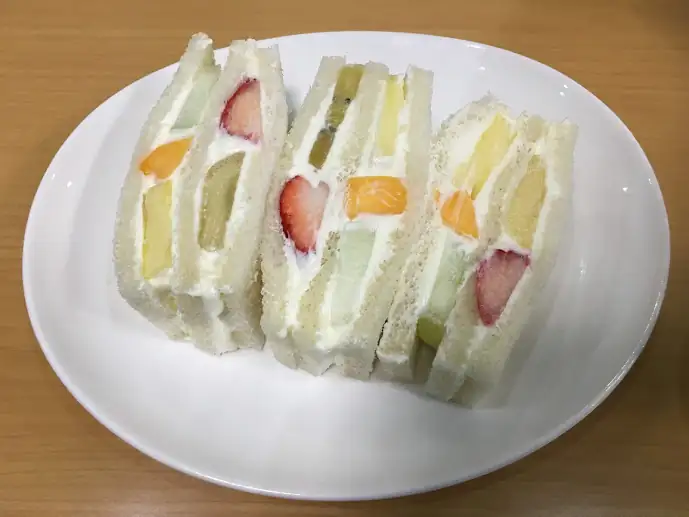 Est. 1869Yaoiso (fruit shop and Fruit Parlor Yaoiso)Fruit sandwichesSee this shop →
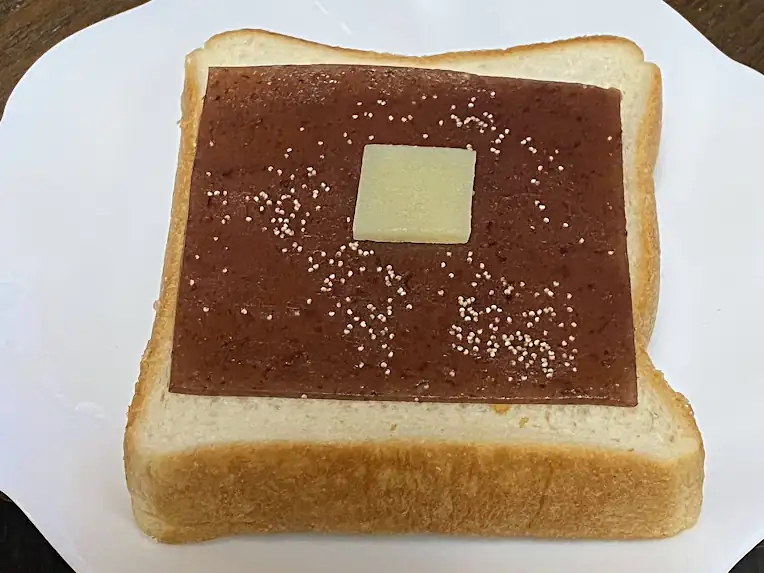 Est. 1803Kameya Yoshinaga (main shop)Ubatama (bean paste glazed with agar)See this shop →
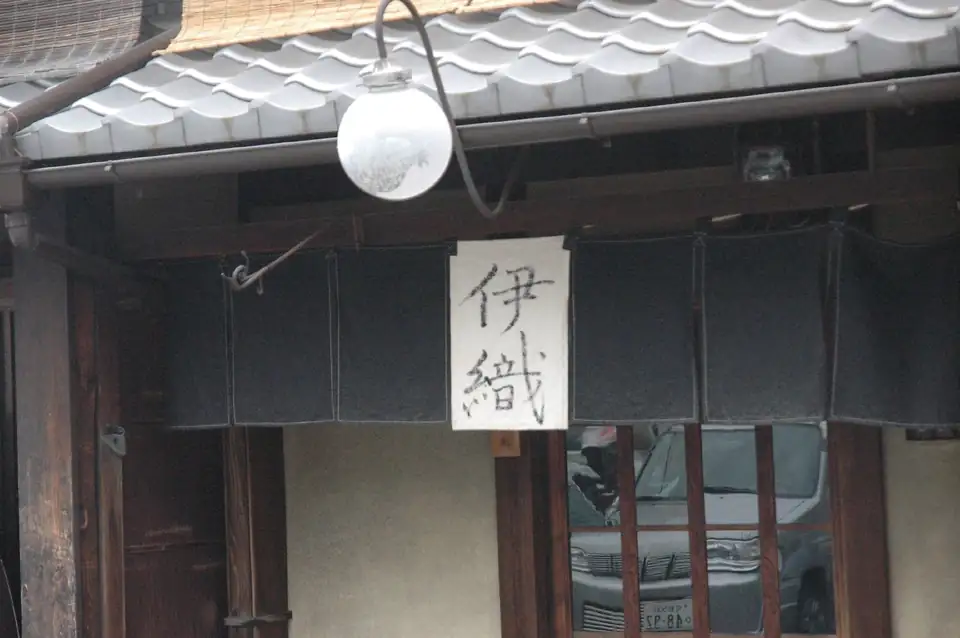 Est. c. 1624Kameya IoriHigashi dry sweets for the tea ceremony (aruheito sugar candySee this shop →
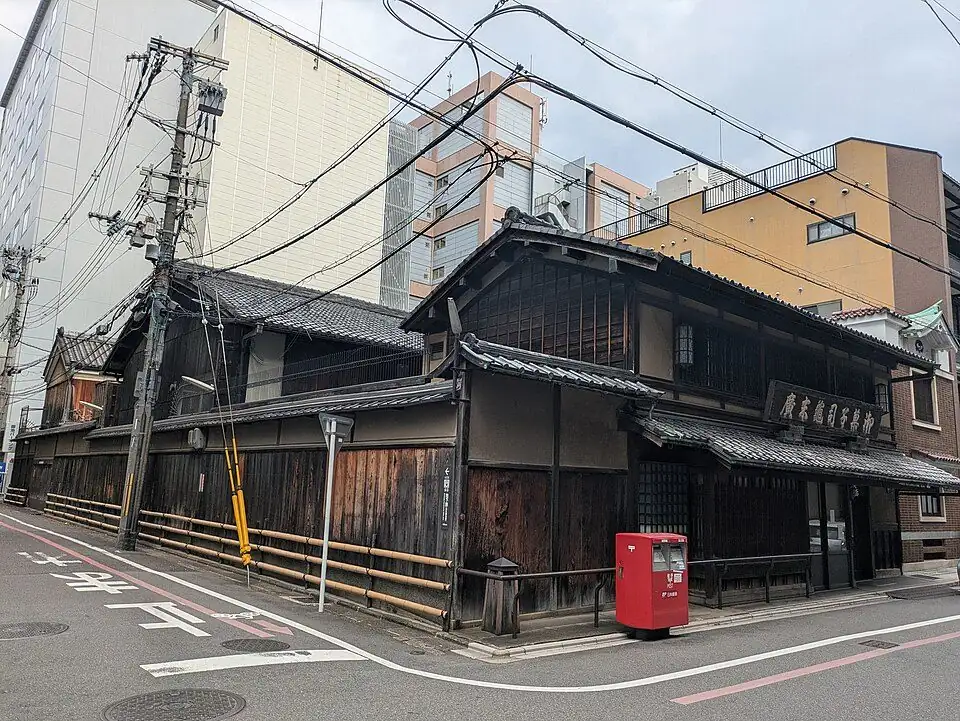 Est. 1804KamesuehiroKyo no yosuga (the “four-and-a-half-mat” box) and Kyo no junitsukiSee this shop →
Same food
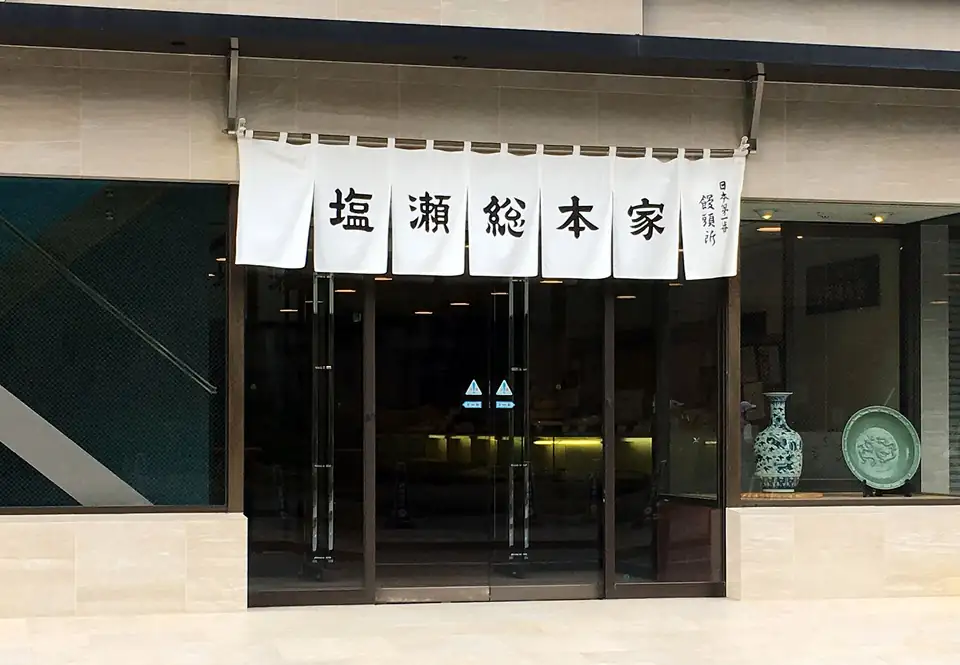 Est. c. 1349Shiose SohonkeShiose manju (steamed buns with yam and rice-flour dough)See this shop →
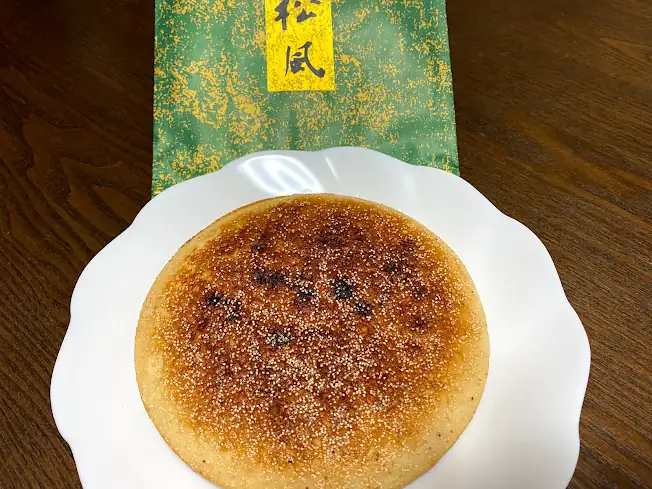 Est. c. 1421Kameya MutsuMatsukaze (baked miso cake)See this shop →
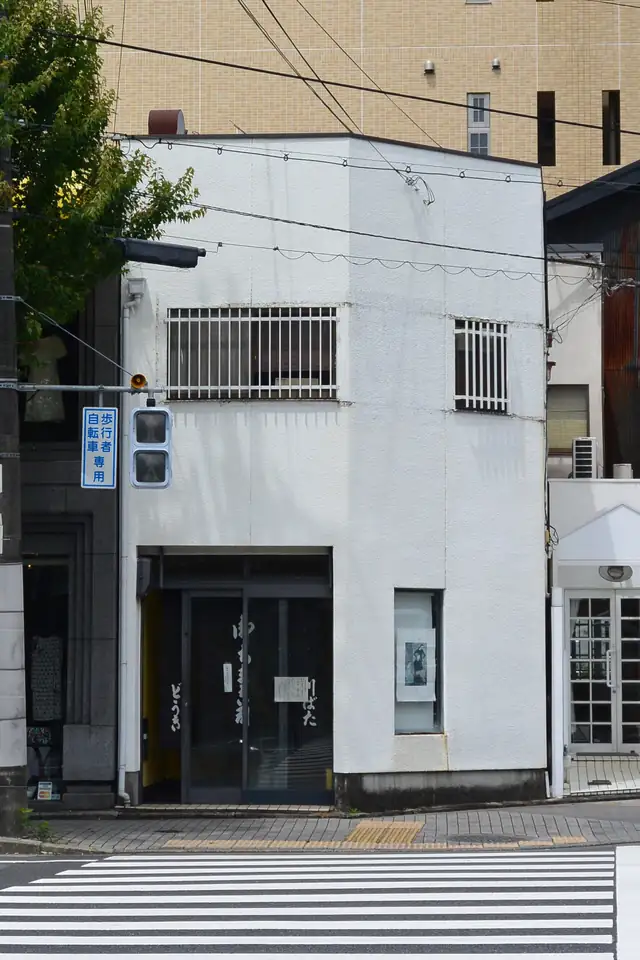 Est. 1503Kawabata DokiSuisen chimakiSee this shop →
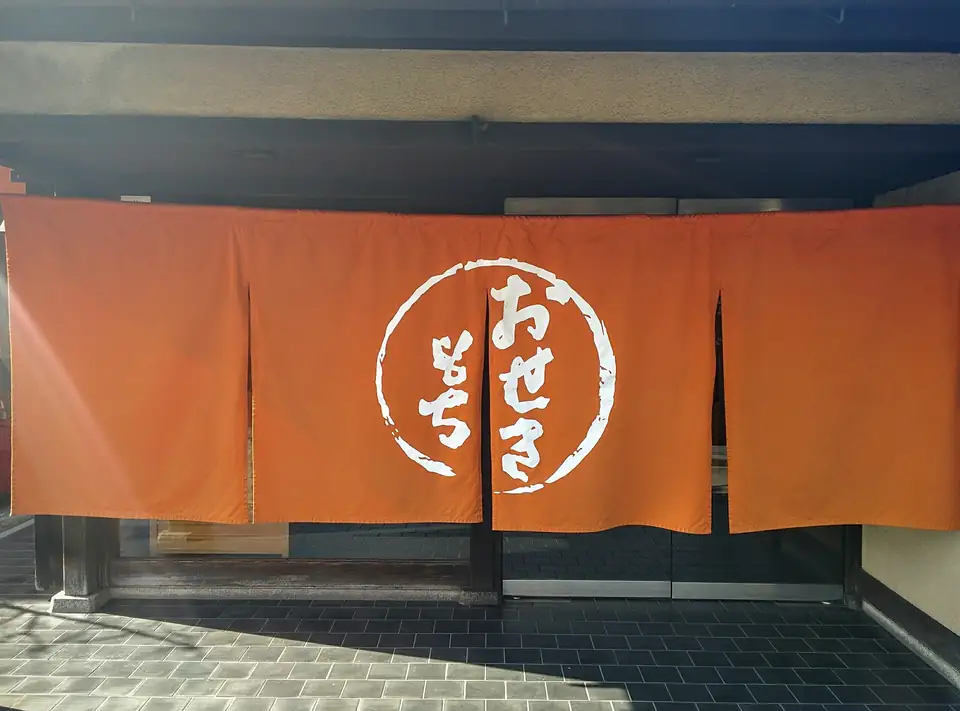 Est. c. 1569OsekimochiOseki mochi (plain and mugwort rice cakes topped with coarse bean paste)See this shop →
When this shop first opened
1708
318 years since.
- 1689Basho sets out on The Narrow Road to the Deep North
- 1708Founded
- 1774Kaitai Shinsho is published
- 2026Today
Each event on the timeline is checked against a source.
See sources
1689: 山口県文書館 解説資料「おくのほそ道」; 1774: 山口県文書館 解説資料「蘭学(解体新書)」