Okashitsukasa Toraya (Sawara)
In Japanese: 御菓子司 虎屋
Est. 1657
Okashitsukasa Toraya is a wagashi (traditional Japanese sweets) shop on the Katori Kaido road in the canal town of Sawara, open since 1657. Old wooden sweet molds decorate its storehouse-style shop. Its signature torayaki sandwiches bean paste, simmered for three days in sacred water from Katori Jingu Shrine, between tiger-striped pancakes.
- What to try
- Torayakitorayaki with butter, TORA3° cup sweets
- Address
- 1717 Sawara-i, Katori, Chiba
- Getting there
- About a 10-minute walk from Sawara Station (JR Narita Line)
- At the shop
- Take out
- Founded
- 1657
- Era
- Edo period
- Food
- Wagashi
About Okashitsukasa Toraya (Sawara)
The shop began trading in Sawara village in 1657, early in the Edo period (1603–1868), and its craft has passed to a single heir in each generation. It is said to have moved to its present spot on the Katori Kaido road around the 12th generation, and to have been rebuilt as a storehouse-style building after a fire in the 13th. The current owner is the 19th generation.124
Torayaki, the signature sweet, is a tiger-striped treat once sold by the 17th-generation owner. The 19th generation revived it by working from the old recipe books. Tigers are thought to bring luck with money and contests, so it was valued as a good-luck sweet. The lightly sweet bean paste is made from Tokachi azuki beans, simmered over an open flame for three days in sacred water from Katori Jingu Shrine. A version topped with salted butter is also sold.134
TORA3° (Tora Sando), a cup sweet layering torayaki pancake, bean paste, cream and fruit sauce, came from an idea by the owner's wife. It uses pancakes that did not come out in a neat shape, and the trimmings are baked into a rusk called Torasuku so nothing goes to waste.134
The shop stands on the Katori Kaido road where it meets the Ono River, inside Sawara's preserved district of traditional buildings. It was rebuilt in a storehouse style in 2021. Inside are wooden molds for dry sweets from the early Meiji (1868–1912) and early Showa eras, rakugan molds, old recipe books and carved transoms of the Seven Lucky Gods, cranes and turtles from the previous owner's house. It is about a 10-minute walk from Sawara Station (JR).234
History
- 1657
Begins trading in Sawara village.
- 2021
Reopens in a rebuilt storehouse-style shop.
At the shop
Compiled by our editors from public sources. We warmly welcome corrections from the shop.
For the shop: to send a correction or photos, please use this form.
Nearby
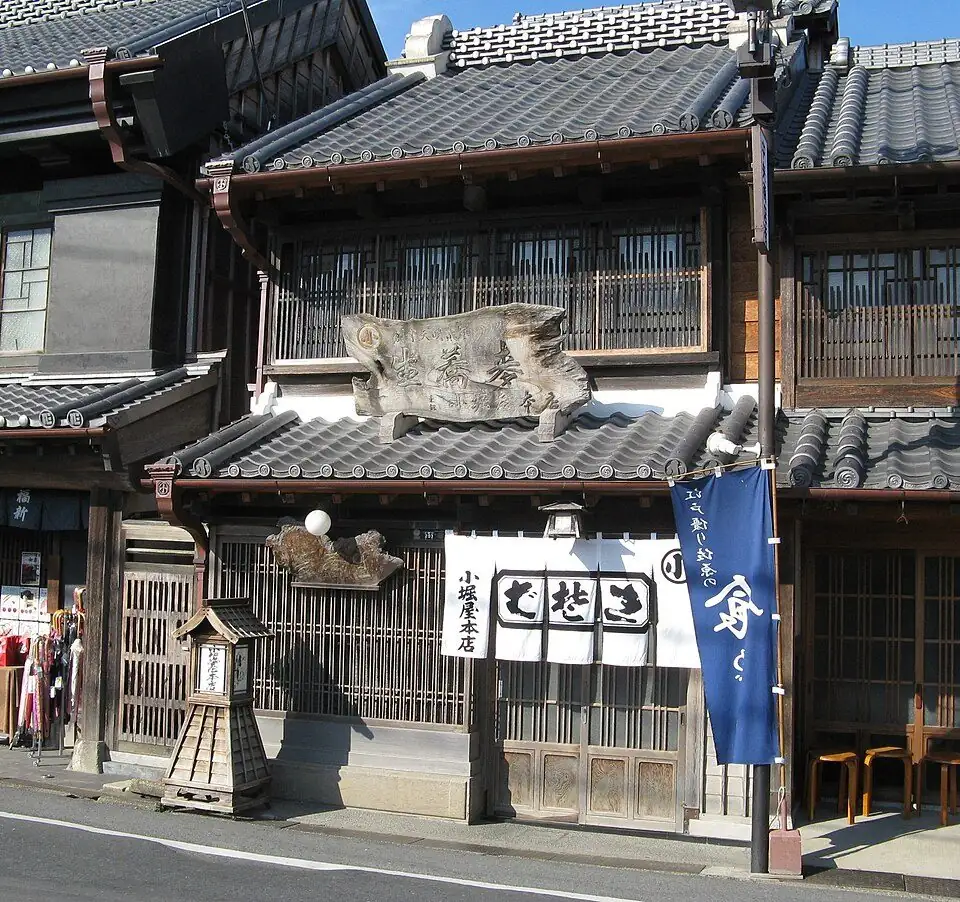
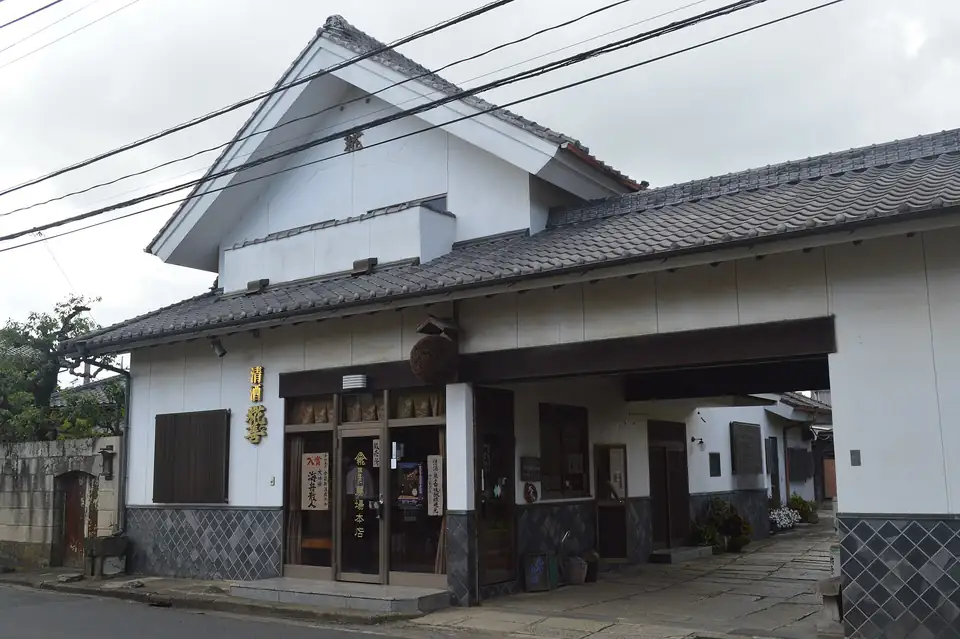
Same food
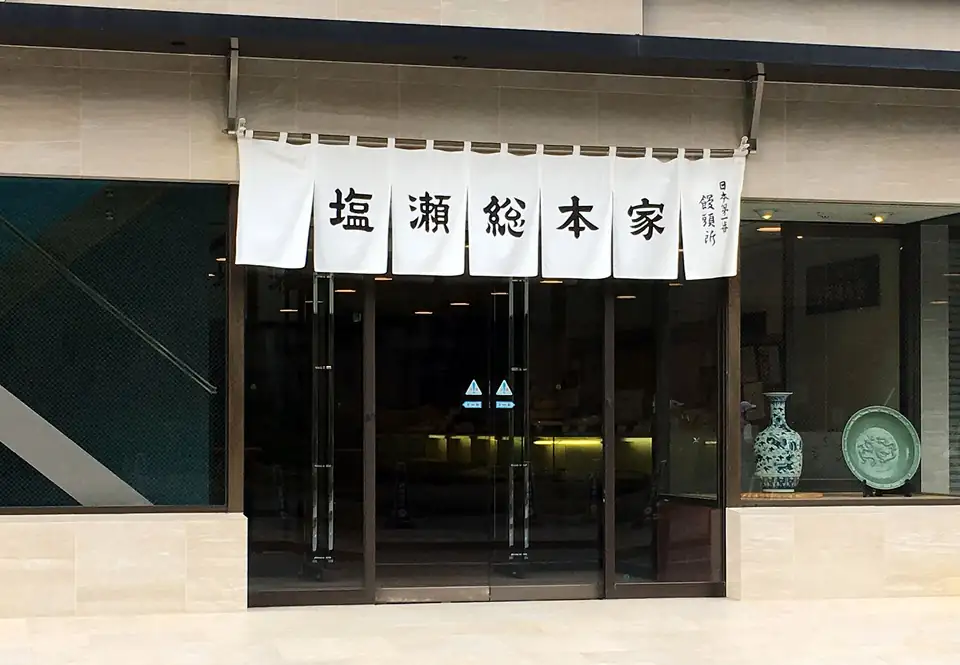 Est. c. 1349Shiose SohonkeShiose manju (steamed buns with yam and rice-flour dough)See this shop →
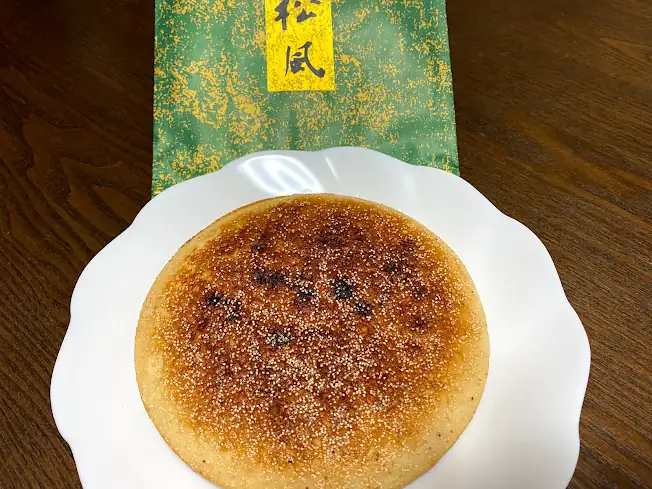 Est. c. 1421Kameya MutsuMatsukaze (baked miso cake)See this shop →
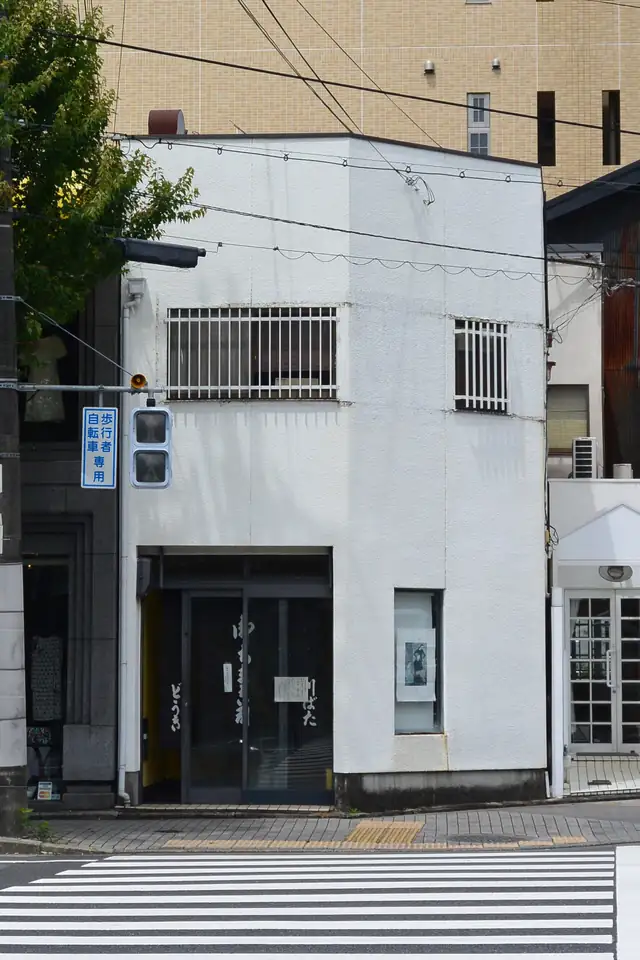 Est. 1503Kawabata DokiSuisen chimakiSee this shop →
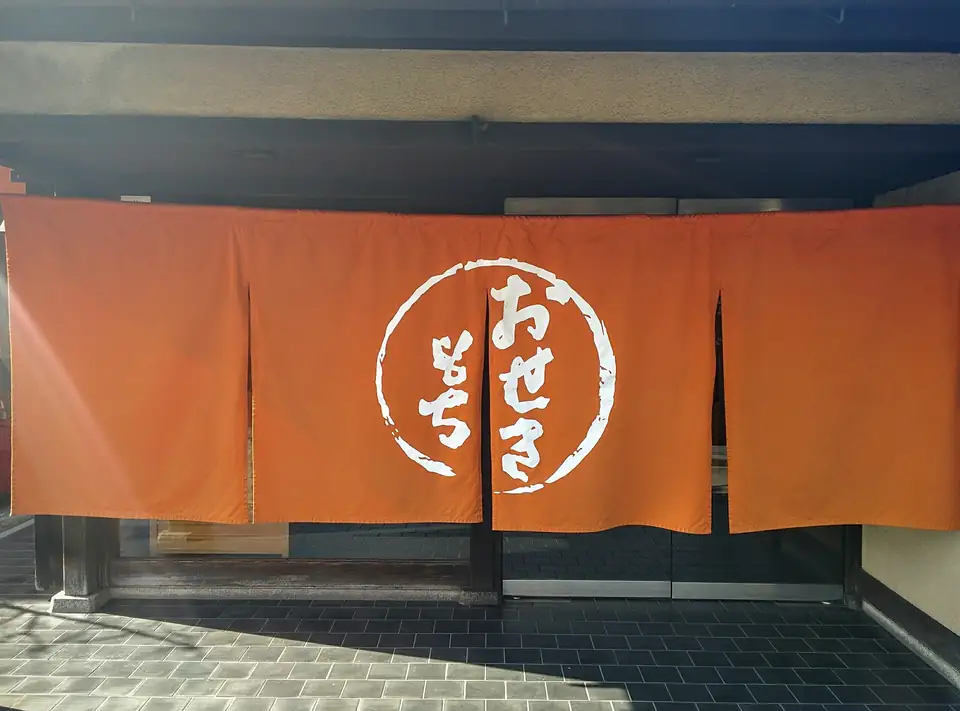 Est. c. 1569OsekimochiOseki mochi (plain and mugwort rice cakes topped with coarse bean paste)See this shop →
When this shop first opened
1657
369 years since.
- 1603The Edo shogunate begins
- 1657Founded
- 1689Basho sets out on The Narrow Road to the Deep North
- 2026Today
Each event on the timeline is checked against a source.
See sources
1603: 東京都都市整備局『東京の都市づくり通史』序章; 1689: 山口県文書館 解説資料「おくのほそ道」