Home / Origins / Oyakodon

Origins

Oyakodon

What is Oyakodon?

Oyakodon (chicken and egg over rice) is chicken simmered in a soy-based sauce, set with beaten egg and served on rice. The name means "parent and child," because it uses both the chicken and its egg.[6][7]

Where it is said to have begun

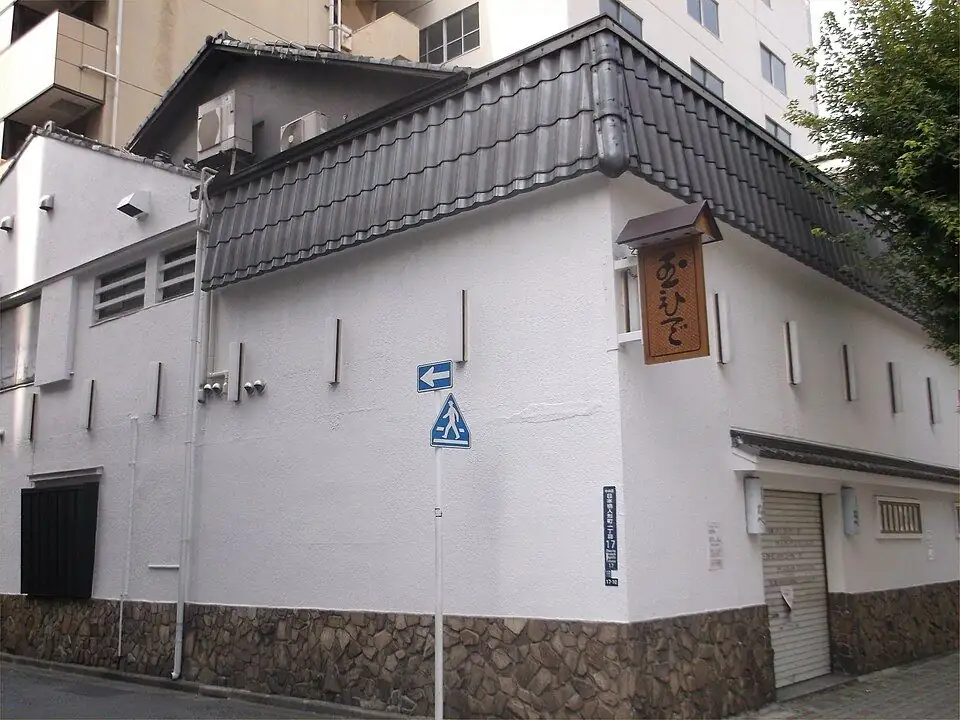
Tamahide · Tokyo · Est. 1760 · Dates from 1891

Tamahide is said to have opened in 1760 as a shamo chicken sukiyaki restaurant, founded by a falconer who served the shogun's household. Diners used to finish their sukiyaki by setting the leftover chicken with egg and eating it with rice. In 1891, Toku Yamada, the wife of the fifth owner and the proprietress, is said to have turned this into a dish of its own by placing the egg-set chicken on rice. It was first sold as a delivery item.[1][2][3]

Other accounts

Accounts of where oyakodon began differ, and Tamahide's story is presented as one of them. According to the shop, it began using the name oyakodon around 1975; before that, the dish was simply called oyako.[4][5]

At the shop today

After about three and a half years of renovation, the shop reopened in autumn 2025 in a new building, with table seating where you keep your shoes on. Oyakodon comes in several versions, including the original, one layered with sukiyaki, an all-shamo bowl and one with white liver. It is served in the restaurant and made with Tokyo Shamo chicken.[1]

Sources (7)
  1. マイナビニュース「人形町の老舗『玉ひで』がリニューアルオープン」(2025年10月17日)
  2. Precious.jp(小学館)「250余年の歴史を誇り、現在の親子丼をつくった名店【玉ひで】」
  3. All About「100年店ランチ 玉ひで」
  4. macaroni「発祥店『玉ひで』に聞く、親子丼の誕生秘話」
  5. macaroni「究極の親子丼」
  6. プログレッシブ和英中辞典「親子」(コトバンク)
  7. All About ニュース「『親子丼』と『他人丼』は何が違う?」

Visit the shop

Tamahide photo

Tamahide

Known for
Original oyakodon, shamo sukiyaki
Where
Tokyo · Nihonbashi Ningyocho, Chuo-ku
At the shop
Eat in
See Tamahide →

More origins

Aburi-mochiIchimonjiya Wasuke (Ichiwa)Bean-paste manjuShiose SohonkeShirozake for the Doll FestivalToshimaya HontenFukujinzuke relishShuetsuGyokuro teaYamamotoyama Fujie SaboSilken tofu in EdoSasanoyukiSasamaki kenuki-zushiSasamaki Kenuki Sushi SohontenImoboImobo Hiranoya HontenKanto-style sakuramochiChomeiji Sakuramochi YamamotoyaChushichi-meshiKappo Ryokan FutabaSaba sugata-zushiIzuuKuzumochi of KameidoFunabashiyaGyoja-mochiKashiwaya MitsusadaAmanattoEitaro Sohonpo NihonbashiSeasoned noriYamamoto Noriten NihonbashiBoxed bentoNihonbashi Benmatsu SohontenAwa-zenzaiUmezono AsakusaNishin sobaSohonke Nishin Soba MatsubaTsukudani simmered in soy sauceFunasaSenmaizukeSenmaizuke Honke DaitoGyunabeOhta NawanorenAnpanGinza KimurayaJam bunGinza KimurayaTen-zaruMuromachi Sunaba NihonbashiThe name “toro”Yoshino Sushi HontenDenki BranKamiya BarGoshiki-mameMamemasa“Viking”Imperial Hotel Tokyo (restaurants)Hato SableToshimayaFruit punchGinza Sembikiya (Ginza main shop)Pork cutletRengateiEbi fryRengateiShredded cabbage on the sideRengateiOmuriceRengateiCream bunShinjuku NakamurayaChinese steamed bunsShinjuku NakamurayaPure Indian-style curryShinjuku NakamurayaCream sodaShiseido Parlour GinzaSweet-potato yokanFunawaMitsumameFunawaHiyashi chukaYosuko SaikanShiumaiKiyokenTaiyakiNaniwaya SohontenOgura iceMitsubachiHire-katsuHoraiyaSanma-menGyokusenteiTea dangoSohonke OchamanMitarashi dangoKamo Mitarashi ChayaCone-shaped hand-rolled sushiTsukiji TamazushiFukagawa-meshiKappo MiyakoFried chicken (karaage) on a restaurant menuMikasa Kaikan

All origins →

Share this page
WhatsAppPinterestX