Home / Origins / Hato Sable

Origins

Hato Sable

What is Hato Sable?

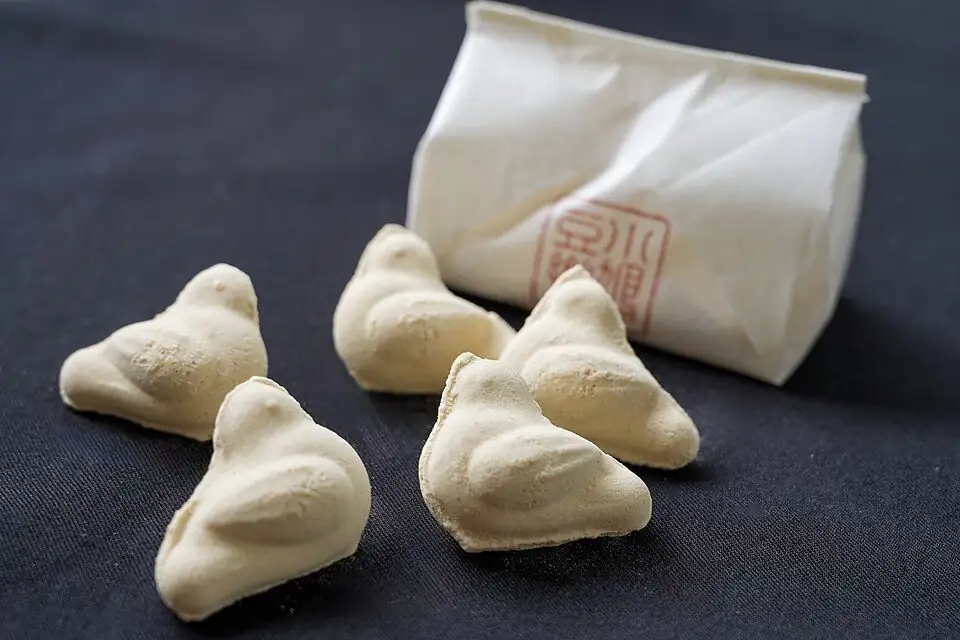
Hato Sable (dove-shaped butter cookie) is a sable baked with plenty of butter in the shape of a dove. It is the signature sweet of Toshimaya in Kamakura and a well-known souvenir of Kamakura and Kanagawa.[2][3][4]

Where it is said to have begun

Toshimaya (main shop) · Kanagawa · Est. 1894 · Dates from around 1897

Toshimaya is a confectioner that opened in Kamakura in 1894. Around 1897, its founder is said to have received a large oval biscuit from a foreigner staying at the Kamakura Kaihin-in seaside sanatorium on Yuigahama beach, and set out to recreate its taste. He went as far as Yokohama to find butter, which was rare at the time, and tried the recipe again and again. A friend back from Europe said it resembled a French sable, which led to the name, and the dove shape reportedly came from the doves that form the character for "eight" on the plaque of Tsurugaoka Hachimangu Shrine.[1][2][3]

Other accounts

Accounts of its first shape differ. An article by the Kanagawa tourism association, based on the shop's website, says it was first cut with a round cutter and only later shaped like a dove, while a Walkerplus article says it was dove-shaped from the start. It reportedly sold poorly at first because of its buttery smell and caught on in the Taisho era, after a pediatrician recommended it as food for young children.[1][2][3]

At the shop today

Hato Sable is the shop's signature item and accounts for most of its sales, and it can be bought at the main shop in Kamakura. The dove shape has reportedly changed little in more than 120 years.[4][5]

Sources (5)
  1. 神奈川県観光協会「鳩サブレーの歴史」
  2. ウォーカープラス「鎌倉名物『鳩サブレー』ヒットの裏に10年以上の売れない日々」
  3. Precious.jp「鳩サブレーが生まれた経緯」
  4. 東洋経済オンライン「鎌倉土産の超定番『鳩サブレー』の意外な来歴」
  5. 文春オンライン「鳩サブレーが史上最高売上を更新」

Visit the shop

Toshimaya (main shop) photo

Toshimaya (main shop)

Known for
Hato sable (dove-shaped butter cookies)
Where
Kanagawa · Kamakura
At the shop
Take out
See Toshimaya (main shop) →

More origins

Aburi-mochiIchimonjiya Wasuke (Ichiwa)Bean-paste manjuShiose SohonkeShirozake for the Doll FestivalToshimaya HontenFukujinzuke relishShuetsuGyokuro teaYamamotoyama Fujie SaboSilken tofu in EdoSasanoyukiSasamaki kenuki-zushiSasamaki Kenuki Sushi SohontenImoboImobo Hiranoya HontenKanto-style sakuramochiChomeiji Sakuramochi YamamotoyaChushichi-meshiKappo Ryokan FutabaOyakodonTamahideSaba sugata-zushiIzuuKuzumochi of KameidoFunabashiyaGyoja-mochiKashiwaya MitsusadaAmanattoEitaro Sohonpo NihonbashiSeasoned noriYamamoto Noriten NihonbashiBoxed bentoNihonbashi Benmatsu SohontenAwa-zenzaiUmezono AsakusaNishin sobaSohonke Nishin Soba MatsubaTsukudani simmered in soy sauceFunasaSenmaizukeSenmaizuke Honke DaitoGyunabeOhta NawanorenAnpanGinza KimurayaJam bunGinza KimurayaTen-zaruMuromachi Sunaba NihonbashiThe name “toro”Yoshino Sushi HontenDenki BranKamiya BarGoshiki-mameMamemasa“Viking”Imperial Hotel Tokyo (restaurants)Fruit punchGinza Sembikiya (Ginza main shop)Pork cutletRengateiEbi fryRengateiShredded cabbage on the sideRengateiOmuriceRengateiCream bunShinjuku NakamurayaChinese steamed bunsShinjuku NakamurayaPure Indian-style curryShinjuku NakamurayaCream sodaShiseido Parlour GinzaSweet-potato yokanFunawaMitsumameFunawaHiyashi chukaYosuko SaikanShiumaiKiyokenTaiyakiNaniwaya SohontenOgura iceMitsubachiHire-katsuHoraiyaSanma-menGyokusenteiTea dangoSohonke OchamanMitarashi dangoKamo Mitarashi ChayaCone-shaped hand-rolled sushiTsukiji TamazushiFukagawa-meshiKappo MiyakoFried chicken (karaage) on a restaurant menuMikasa Kaikan

All origins →

Share this page
WhatsAppPinterestX