Home / Origins / Chinese steamed buns

Origins

Chinese steamed buns (chukaman)

What is Chinese steamed buns?

Chukaman are steamed buns based on Chinese baozi, filled with meat or sweet bean paste. In Japan they are loved as nikuman (meat buns) and anman (bean-paste buns).[1][2]

Where it is said to have begun

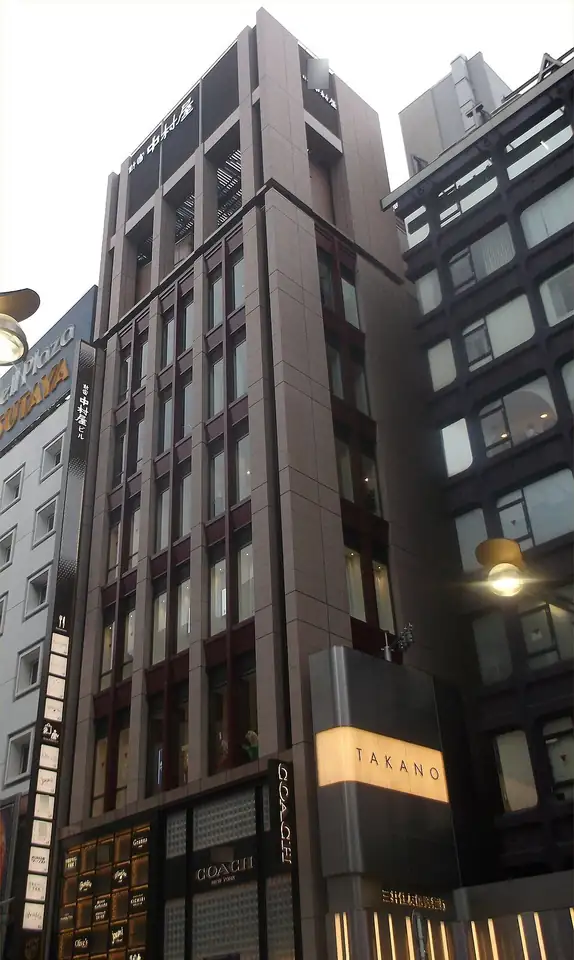
Shinjuku Nakamuraya · Tokyo · Est. 1901 · Dates from 1927

Nakamuraya began as a bakery in Hongo in 1901 and later moved to Shinjuku. Its founders met baozi on a trip to China and adapted them for Japanese tastes, launching Tenka-ippin Shina-manju, in meat and bean-paste versions, in 1927. At first, Chinese cooks wrapped them by hand and steamed them in bamboo baskets.[2][1]

Other accounts

Some Chinese restaurants already served them; accounts differ on the first. Nakamuraya is credited with making them popular.[1]

At the shop today

The shops in the Shinjuku Nakamuraya Building sell its steamed buns, including Tensei anman with black-sesame bean paste. The company also makes buns for supermarkets.[3][1][2]

Sources (3)
  1. FRaU(講談社)「中村屋の中華まん」
  2. 中村屋 発表(財経新聞)2026年4月
  3. グルメWatch「中村屋 辛肉まん」(2025年)

Visit the shop

Shinjuku Nakamuraya photo

Shinjuku Nakamuraya

Known for
Indian-style curry, cream buns
Where
Tokyo · Shinjuku, Shinjuku-ku
At the shop
Eat in, Take out
See Shinjuku Nakamuraya →

More origins

Aburi-mochiIchimonjiya Wasuke (Ichiwa)Bean-paste manjuShiose SohonkeShirozake for the Doll FestivalToshimaya HontenFukujinzuke relishShuetsuGyokuro teaYamamotoyama Fujie SaboSilken tofu in EdoSasanoyukiSasamaki kenuki-zushiSasamaki Kenuki Sushi SohontenImoboImobo Hiranoya HontenKanto-style sakuramochiChomeiji Sakuramochi YamamotoyaChushichi-meshiKappo Ryokan FutabaOyakodonTamahideSaba sugata-zushiIzuuKuzumochi of KameidoFunabashiyaGyoja-mochiKashiwaya MitsusadaAmanattoEitaro Sohonpo NihonbashiSeasoned noriYamamoto Noriten NihonbashiBoxed bentoNihonbashi Benmatsu SohontenAwa-zenzaiUmezono AsakusaNishin sobaSohonke Nishin Soba MatsubaTsukudani simmered in soy sauceFunasaSenmaizukeSenmaizuke Honke DaitoGyunabeOhta NawanorenAnpanGinza KimurayaJam bunGinza KimurayaTen-zaruMuromachi Sunaba NihonbashiThe name “toro”Yoshino Sushi HontenDenki BranKamiya BarGoshiki-mameMamemasa“Viking”Imperial Hotel Tokyo (restaurants)Hato SableToshimayaFruit punchGinza Sembikiya (Ginza main shop)Pork cutletRengateiEbi fryRengateiShredded cabbage on the sideRengateiOmuriceRengateiCream bunShinjuku NakamurayaPure Indian-style curryShinjuku NakamurayaCream sodaShiseido Parlour GinzaSweet-potato yokanFunawaMitsumameFunawaHiyashi chukaYosuko SaikanShiumaiKiyokenTaiyakiNaniwaya SohontenOgura iceMitsubachiHire-katsuHoraiyaSanma-menGyokusenteiTea dangoSohonke OchamanMitarashi dangoKamo Mitarashi ChayaCone-shaped hand-rolled sushiTsukiji TamazushiFukagawa-meshiKappo MiyakoFried chicken (karaage) on a restaurant menuMikasa Kaikan

All origins →

Share this page
WhatsAppPinterestX