Home / Origins / Amanatto

Origins

Amanatto

What is Amanatto?

Amanatto is a sweet of beans simmered in syrup, dried and coated in sugar. Eitaro makes it with kintoki sasage cowpeas and sells it under its original name, amananatto.[2][3]

Where it is said to have begun

Eitaro Sohonpo Nihonbashi (main shop) · Tokyo · Est. 1818 · Dates from 1861

In the late Edo period (1603–1868), Eitaro’s founder turned to kintoki sasage cowpeas, cheap because they were used only in festive red rice and not for bean paste. He simmered them in syrup again and again to make an inexpensive, tasty sweet. It kept far longer than fresh confections and caught on, and it was named amananatto as a play on hamana-natto, a specialty of Hamamatsu.[2][3][4]

Other accounts

Sources differ on the date: the shop’s own material gives the Bunkyu years (1861–1864), while a travel company’s column says the Ansei years (1854–1860). The sweet was later made all over Japan and came to be called amanatto.[1][2][3]

At the shop today

Sold only at the Nihonbashi main shop, it is still made with kintoki sasage to keep its original form. The thick skins take up syrup slowly, so it takes days to finish.[2][3][4]

Sources (4)
  1. 榮太樓總本鋪「榮太樓物語(甘名納糖)」
  2. 榮太樓總本鋪「7月のお話し-甘名納糖の話-」
  3. JTB「甘納豆の元祖!榮太樓の『甘名納糖』」
  4. All About「榮太樓總本鋪」

Visit the shop

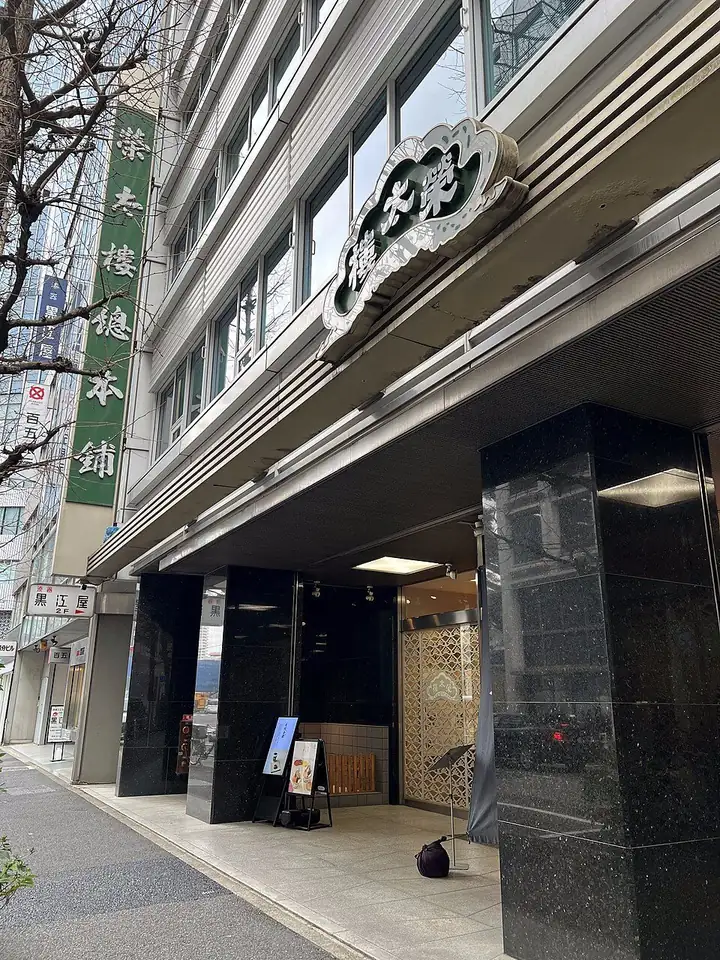
Eitaro Sohonpo Nihonbashi (main shop) photo

Eitaro Sohonpo Nihonbashi (main shop)

Known for
Umeboshi-ame candy, Amananatto, kintsuba
Where
Tokyo · Nihonbashi, Chuo-ku
At the shop
Take out
See Eitaro Sohonpo Nihonbashi (main shop) →

More origins

Aburi-mochiIchimonjiya Wasuke (Ichiwa)Bean-paste manjuShiose SohonkeShirozake for the Doll FestivalToshimaya HontenFukujinzuke relishShuetsuGyokuro teaYamamotoyama Fujie SaboSilken tofu in EdoSasanoyukiSasamaki kenuki-zushiSasamaki Kenuki Sushi SohontenImoboImobo Hiranoya HontenKanto-style sakuramochiChomeiji Sakuramochi YamamotoyaChushichi-meshiKappo Ryokan FutabaOyakodonTamahideSaba sugata-zushiIzuuKuzumochi of KameidoFunabashiyaGyoja-mochiKashiwaya MitsusadaSeasoned noriYamamoto Noriten NihonbashiBoxed bentoNihonbashi Benmatsu SohontenAwa-zenzaiUmezono AsakusaNishin sobaSohonke Nishin Soba MatsubaTsukudani simmered in soy sauceFunasaSenmaizukeSenmaizuke Honke DaitoGyunabeOhta NawanorenAnpanGinza KimurayaJam bunGinza KimurayaTen-zaruMuromachi Sunaba NihonbashiThe name “toro”Yoshino Sushi HontenDenki BranKamiya BarGoshiki-mameMamemasa“Viking”Imperial Hotel Tokyo (restaurants)Hato SableToshimayaFruit punchGinza Sembikiya (Ginza main shop)Pork cutletRengateiEbi fryRengateiShredded cabbage on the sideRengateiOmuriceRengateiCream bunShinjuku NakamurayaChinese steamed bunsShinjuku NakamurayaPure Indian-style curryShinjuku NakamurayaCream sodaShiseido Parlour GinzaSweet-potato yokanFunawaMitsumameFunawaHiyashi chukaYosuko SaikanShiumaiKiyokenTaiyakiNaniwaya SohontenOgura iceMitsubachiHire-katsuHoraiyaSanma-menGyokusenteiTea dangoSohonke OchamanMitarashi dangoKamo Mitarashi ChayaCone-shaped hand-rolled sushiTsukiji TamazushiFukagawa-meshiKappo MiyakoFried chicken (karaage) on a restaurant menuMikasa Kaikan

All origins →

Share this page
WhatsAppPinterestX