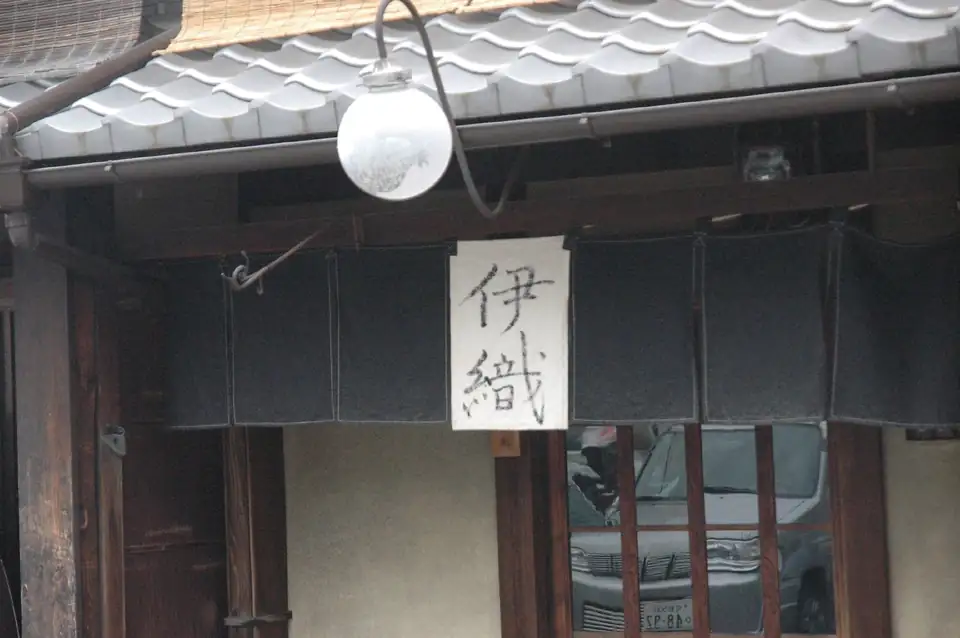
Kameya Iori
In Japanese: 亀屋伊織
Est. c. 1624
Kameya Iori is a confectioner on Nijo-dori in central Kyoto that makes only higashi, the dry sweets served with thin tea at tea gatherings. It traces its trade to around the 1620s and makes pressed sweets, suhama and aruheito sugar candy to suit the season. Sweets are reserved in advance and collected at the shop.
- What to try
- Higashi dry sweets for the tea ceremony (aruheito sugar candysuhama, pressed sweets, wafers)
- Address
- Nijo-dori Shinmachi higashi-iru, Nakagyo-ku, Kyoto
- Getting there
- About 400 m from Karasuma Oike Station (Kyoto Municipal Subway)
- At the shop
- Take out
- Founded
- c. 1624
- Era
- Edo period
- Food
- Wagashi
About Kameya Iori
Old records were lost in the Great Tenmei Fire of 1788 and the fighting of the Kinmon Incident in 1864, so the founding year is not clear. Tradition says the shop received the name Iori when it presented a sweet called Konoha to the third shogun, Tokugawa Iemitsu. It has made only higashi for tea gatherings for about 400 years.12
In the shop’s own words, higashi are served with the thin tea that follows thick tea, so they are made small and light to suit it. The shop makes oshimono (sweets pressed in wooden molds), suhama (a paste of roasted soybean flour and sugar), aruheito (candy of boiled-down sugar syrup) and wafers. Aruheito allows free use of color and shape, but it is hard to make because it is easily affected by the weather.2
Seasonal sweets include Chiyo-musubi in January, a knot of red and white aruheito; Kakitsubata in May, in pale purple; and Fukiyose in November, a mix of pressed chestnuts and pine cones, suhama maple and ginkgo leaves, and aruheito mushrooms. The 17th-generation master, who has inherited the old techniques, makes the sweets alone and keeps them in a paulownia sweets chest.2
The shop is busy with orders for tea gatherings, so sweets cannot be bought without a reservation. Order by phone and collect at the shop. It is about 400 m from Karasuma Oike Station on the subway.23
History
- 1624
Thought to be in business by this time; the gift to Iemitsu is said to date from then.
- 1788
The Great Tenmei Fire; the shop’s old records are said to have been lost in such disasters.
At the shop
Compiled by our editors from public sources. We warmly welcome corrections from the shop.
Nearby
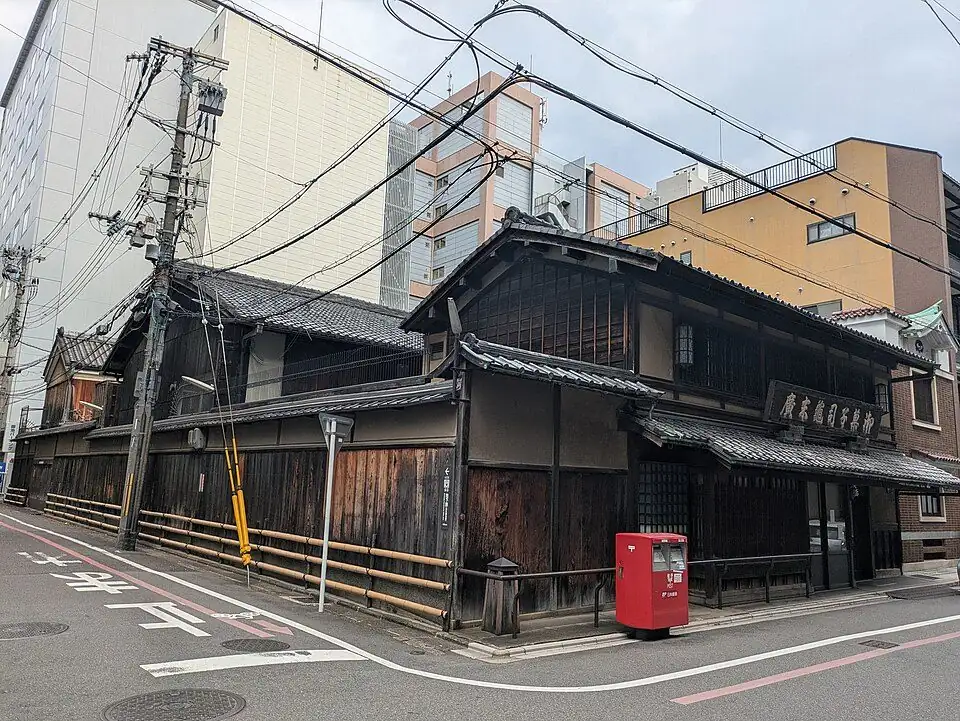 Est. 1804KamesuehiroKyo no yosuga (the “four-and-a-half-mat” box) and Kyo no junitsukiSee this shop →
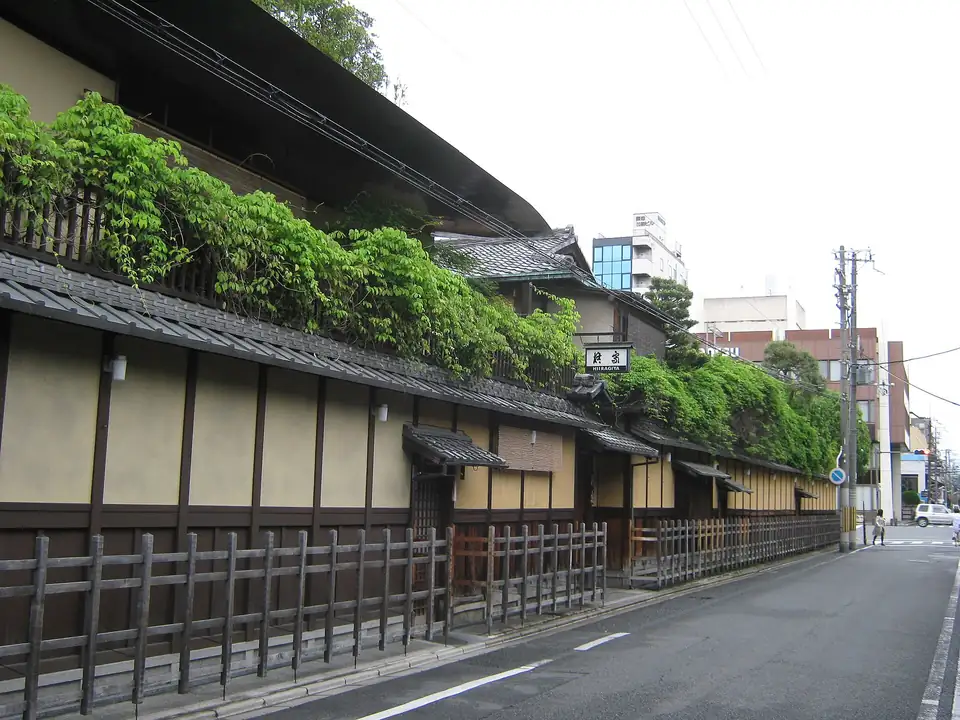 Est. 1861Hiiragiya (ryokan kaiseki, Fuyacho)Kyoto kaiseki (meal-only plans available)See this shop →
- Est. 1392Hirome Matsumaeya (kombu)Hirome kelp stripsSee this shop →
- Est. c. 1652Matsuya TokiwaMurasakino miso matsukaze (baked cake with white miso)See this shop →
Same food
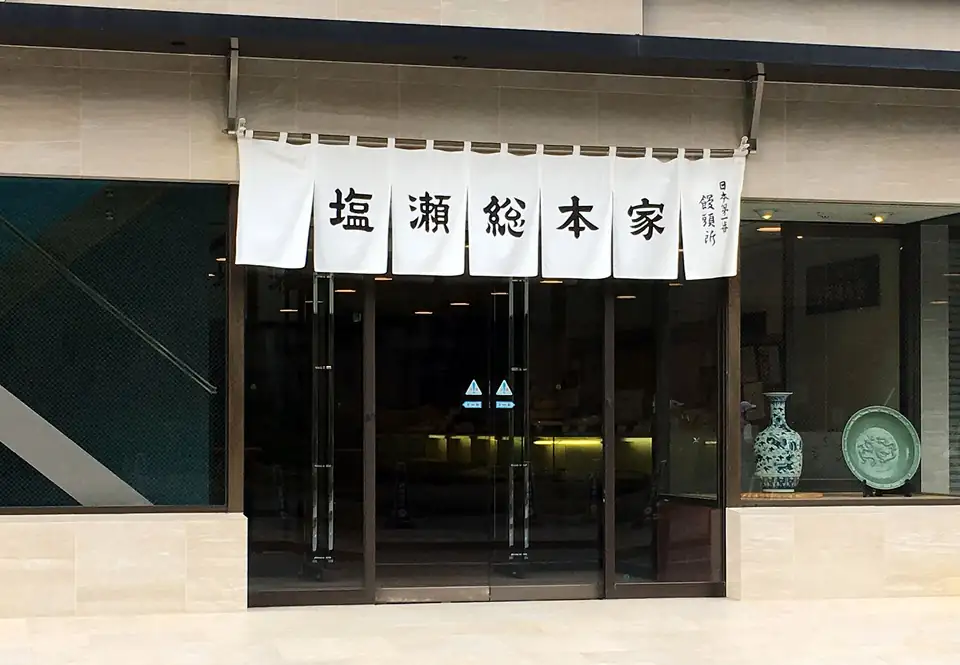 Est. c. 1349Shiose SohonkeShiose manju (steamed buns with yam and rice-flour dough)See this shop →
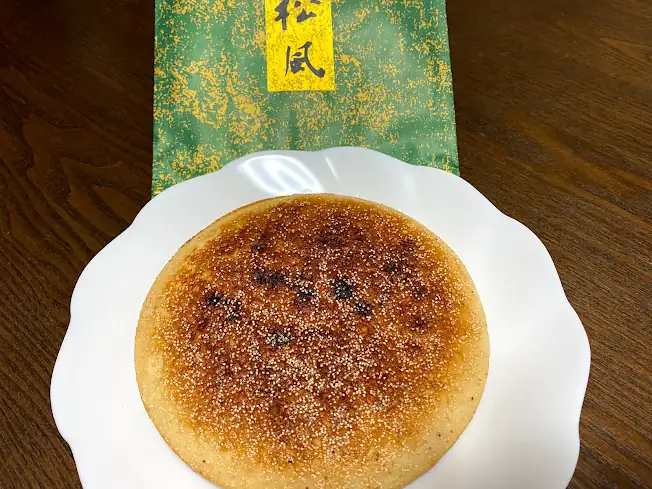 Est. c. 1421Kameya MutsuMatsukaze (baked miso cake)See this shop →
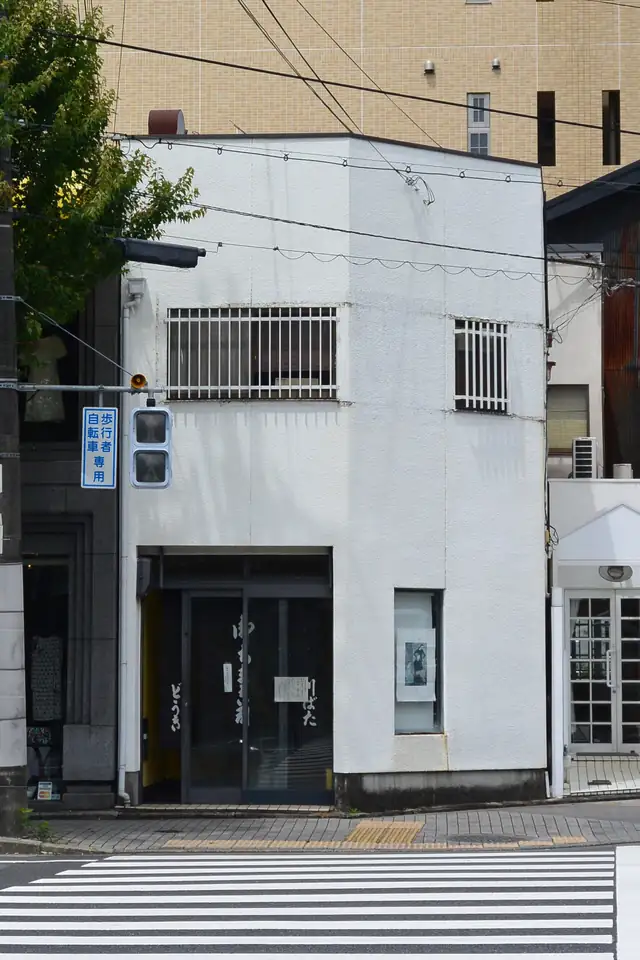 Est. 1503Kawabata DokiSuisen chimakiSee this shop →
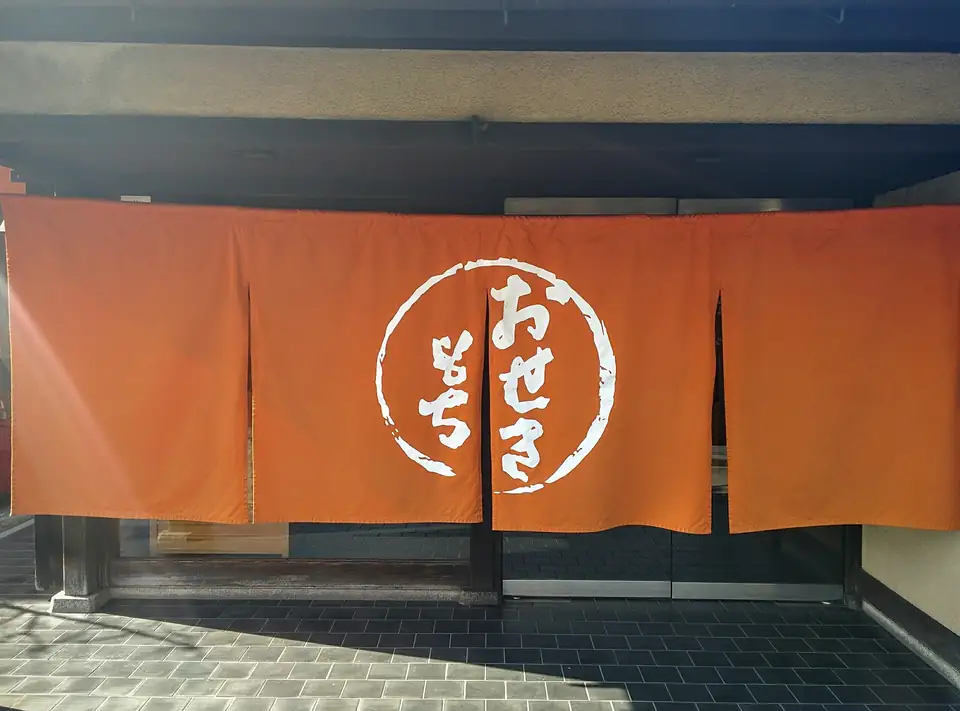 Est. c. 1569OsekimochiOseki mochi (plain and mugwort rice cakes topped with coarse bean paste)See this shop →
When this shop first opened
c. 1624
402 years since.
- 1603The Edo shogunate begins
- 1624Founded
- 1689Basho sets out on The Narrow Road to the Deep North
- 2026Today
Each event on the timeline is checked against a source.
See sources
1603: 東京都都市整備局『東京の都市づくり通史』序章; 1689: 山口県文書館 解説資料「おくのほそ道」