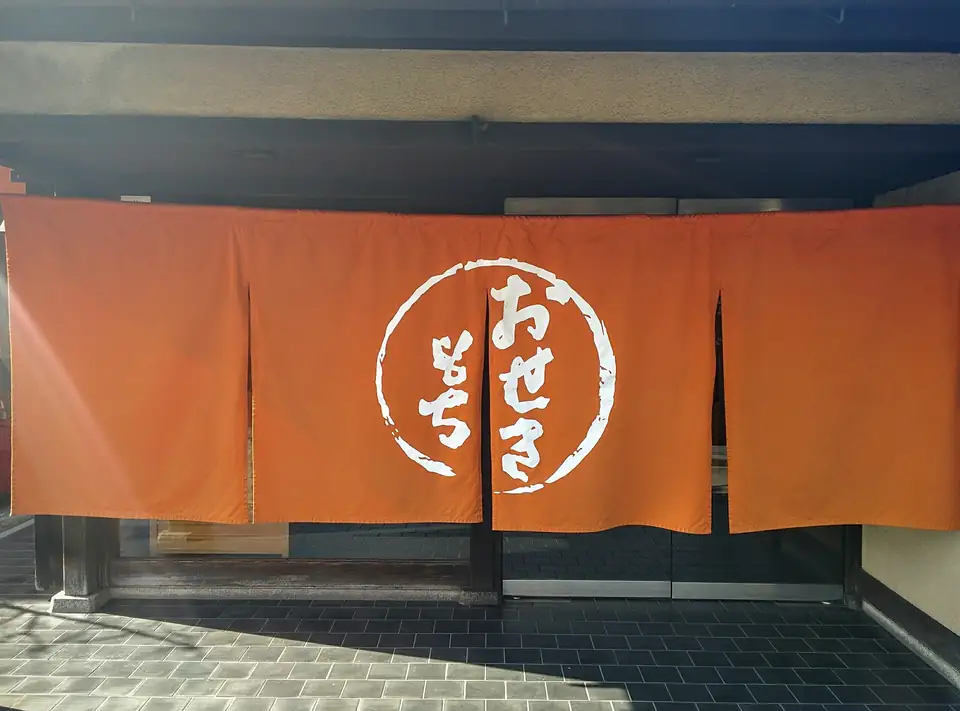
Osekimochi
In Japanese: おせきもち
Est. c. 1569
Osekimochi is a rice-cake shop across Route 1 from the west torii (shrine gate) of Jonangu Shrine in Kyoto, said to date from around 1569. Tradition says the name comes from Seki, a young woman who served bean-paste rice cakes to travelers at a teahouse on the old Toba road in the Edo period. Plain and mugwort mochi are topped with coarse paste of Tanba Dainagon azuki beans.
- What to try
- Oseki mochi(plain and mugwort rice cakes topped with coarse bean paste)
- Address
- 16 Nakajima Goshonouchi-cho, Fushimi-ku, Kyoto
- Getting there
- About a 15-minute walk from Takeda Station (Kyoto Municipal Subway Karasuma Line, Kintetsu Kyoto Line) to Jonangu Shrine; the shop faces its west gate
- At the shop
- Take out
- Founded
- c. 1569
- Era
- Kamakura–Muromachi period
- Food
- Wagashi
About Osekimochi
The shop is said to date from the 1560s, in the Eiroku era (1558–1570). Tradition says that in the Edo period (1603–1868) a young woman named Seki kept a teahouse on the Toba road. She laid bean-paste rice cakes shaped like woven straw hats on bamboo leaves for travelers, and the cakes came to be called Oseki mochi.12
In January 1868, the area around Koeda Bridge on the Toba road was at the center of the Battle of Toba-Fushimi, and the shop burned down. In 1932, when the Keihan national road was built, it moved to its present site in front of Jonangu Shrine.2
Plain and mugwort mochi (rice cake) are heaped with coarse bean paste. The paste is made from Tanba Dainagon azuki beans, cooked and then left to mature at a low temperature for a week. The shop says it avoids elaborate processing to keep the taste of the ingredients. It also makes ohagi, rice wrapped in smooth bean paste.2
A painted map of the old Toba road hangs in the shop. The mochi do not keep and should be eaten on the day. Jonangu Shrine is about a 15-minute walk from Takeda Station (subway and Kintetsu).24
History
- 1569
Said to have been founded in the Eiroku era.
- 1868
The shop burns down in the Battle of Toba-Fushimi.
- 1932
Moves to its present site in front of Jonangu Shrine as the Keihan national road opens.
At the shop
Photos2 photos
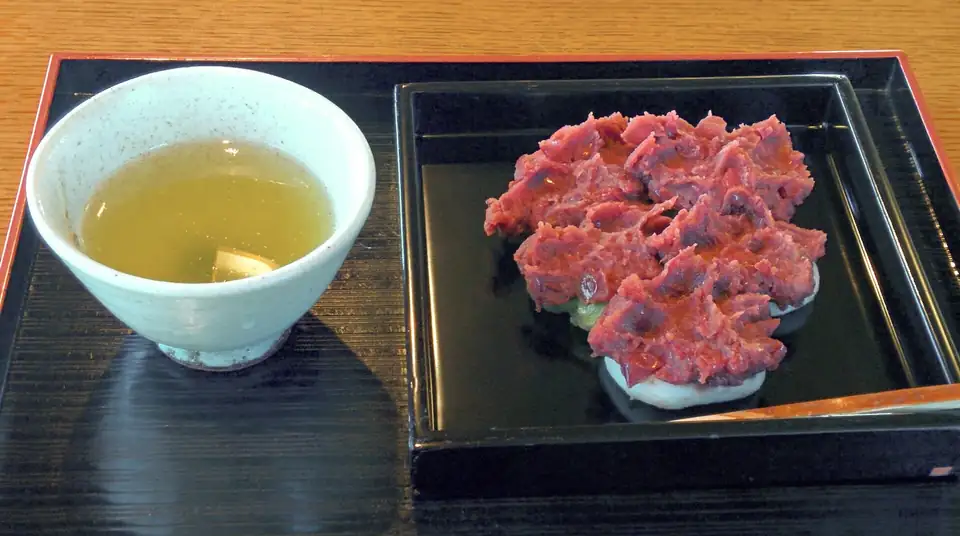
Oseki mochi (five pieces) with teaPhoto: 今紫 · CC BY-SA 4.0 · Wikimedia Commons
Compiled by our editors from public sources. We warmly welcome corrections from the shop.
Nearby
Same food
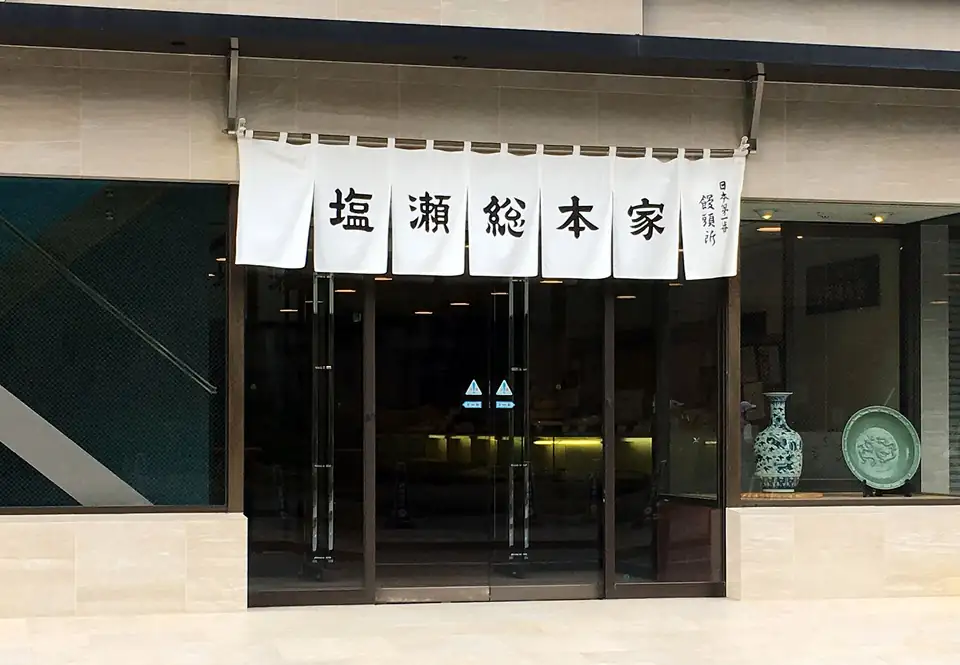 Est. c. 1349Shiose SohonkeShiose manju (steamed buns with yam and rice-flour dough)See this shop →
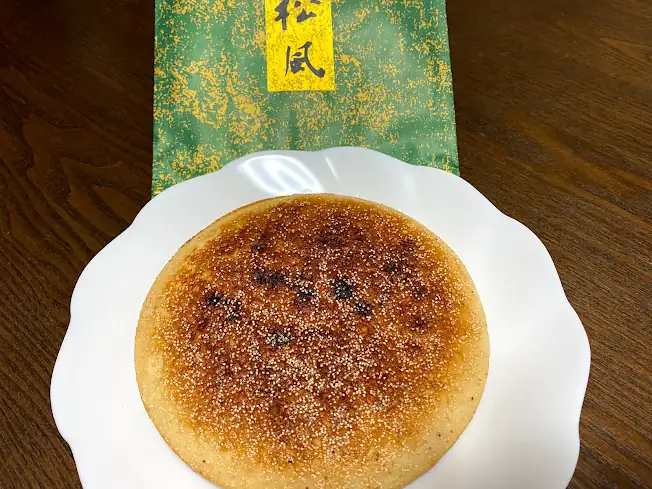 Est. c. 1421Kameya MutsuMatsukaze (baked miso cake)See this shop →
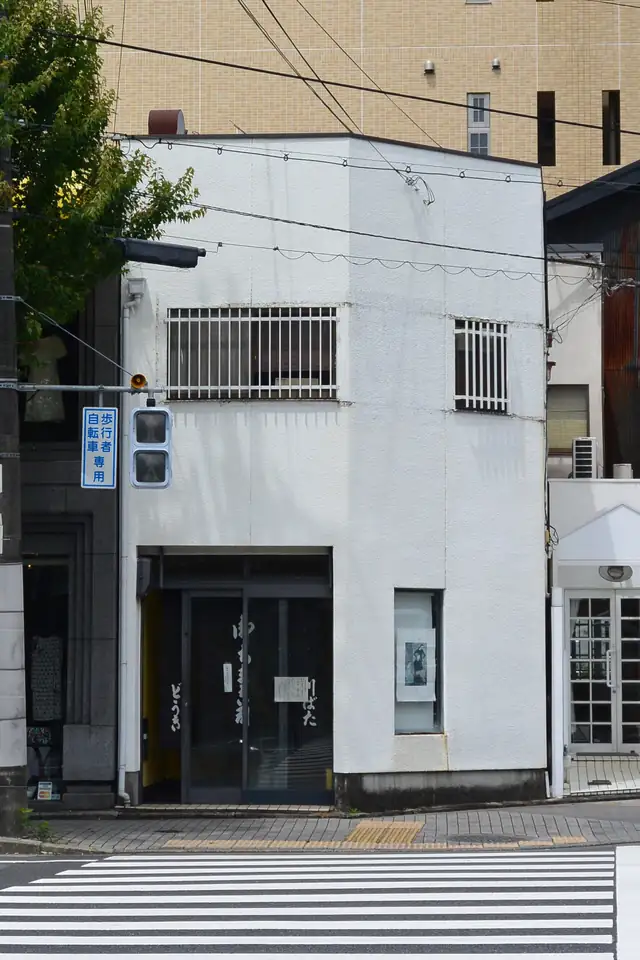 Est. 1503Kawabata DokiSuisen chimakiSee this shop →
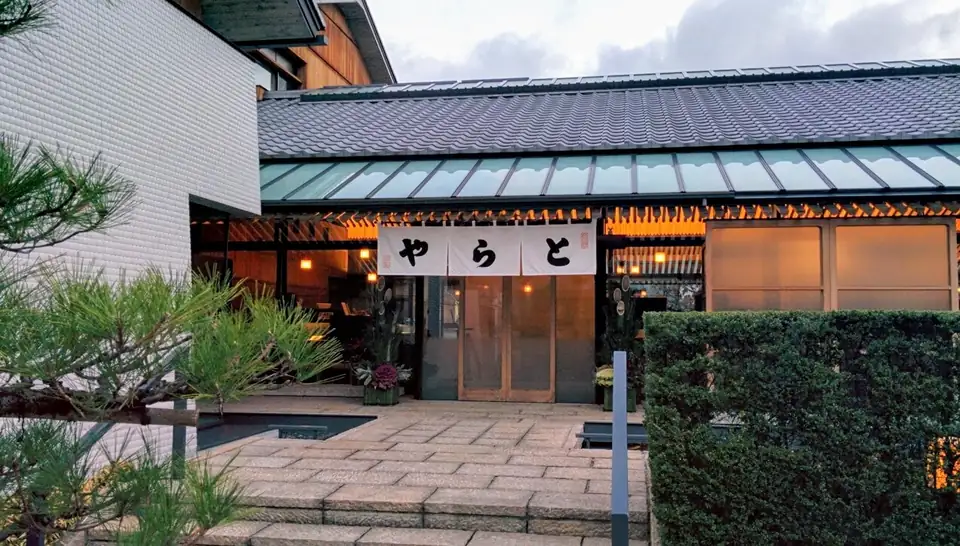 Est. c. 1586Toraya Kyoto Ichijo Store & Toraya Karyo Kyoto IchijoYoru no Ume yokanSee this shop →
When this shop first opened
c. 1569
457 years since.
- 1482Work begins on Higashiyama-dono (Ginkaku-ji)
- 1569Founded
- 1603The Edo shogunate begins
- 2026Today
Each event on the timeline is checked against a source.
See sources
1482: 文化庁 文化遺産オンライン「慈照寺(通称:銀閣寺)」(世界遺産推薦書); 1603: 東京都都市整備局『東京の都市づくり通史』序章