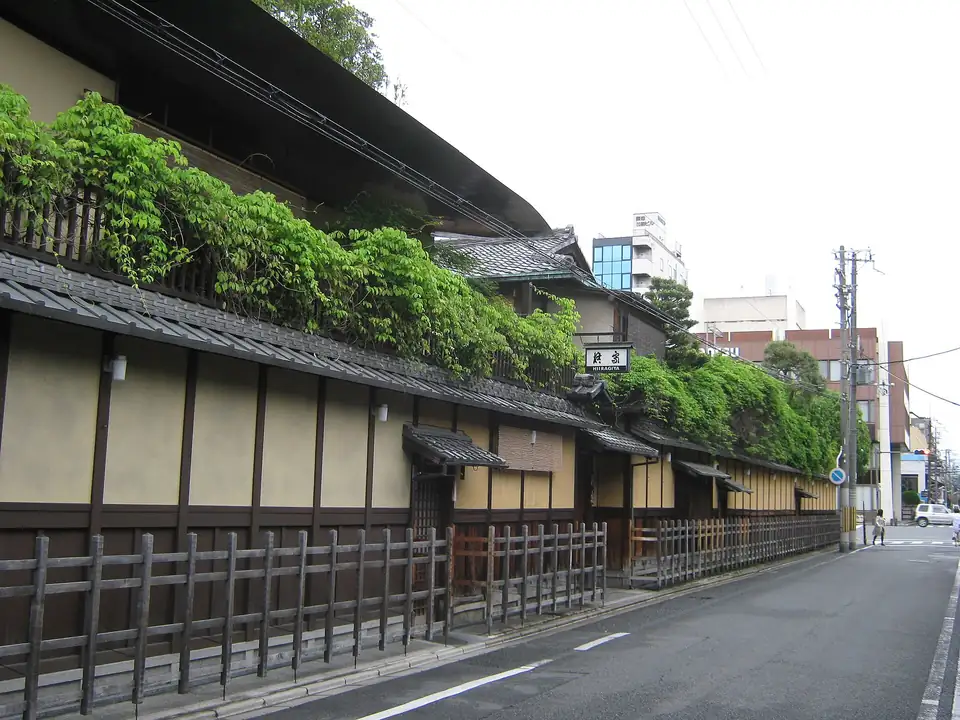
Hiiragiya (ryokan kaiseki, Fuyacho)
In Japanese: 柊家
Est. 1861
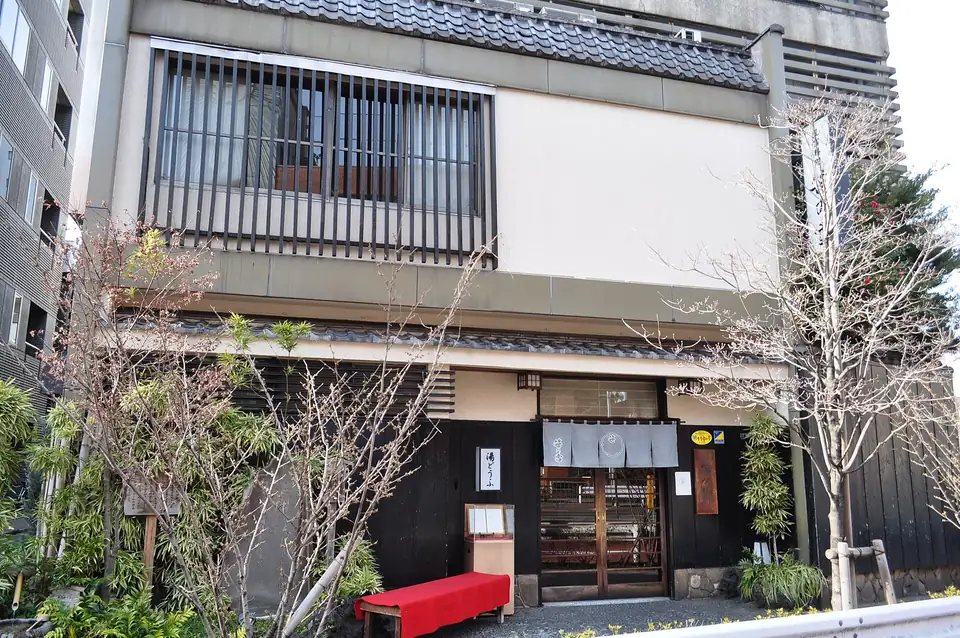
Hiiragiya is a ryokan (traditional inn) on Fuyacho-dori that became an inn in 1861, when the second owner made lodging his main trade. In rooms looking onto small courtyard gardens in its two-story wooden sukiya-style main building, it serves Kyoto kaiseki reflecting the city's seasonal events. Meal-only plans are available, and it was the writer Kawabata Yasunari's regular inn in Kyoto.
- What to try
- Kyoto kaiseki(meal-only plans available)
- Address
- 277 Nakahakusan-cho, Nakagyo-ku, Kyoto
- Getting there
- About a 10-minute walk from Karasuma-Oike Station (Kyoto Municipal Subway)
- At the shop
- Eat in
- Founded
- 1861
- Era
- Edo period
- Food
- Kaiseki & ryotei
About Hiiragiya (ryokan kaiseki, Fuyacho)
In 1818, the first owner, Shogoro, came to Kyoto from Fukui, settled here and started a transport and seafood business. The name comes from the Hiragi Shrine within Shimogamo Shrine, where holly, believed to ward off evil, grows wild. The second owner made the lodging he had been offering on request his main trade in 1861. At the entrance hangs a calligraphy by Shigeno Seisai meaning that guests should feel as if they had come home.1
It welcomed activists of the late Edo period, members of the imperial family and writers, and later guests from abroad. Kawabata Yasunari made it his regular inn on trips to Kyoto and wrote fondly of its holly-patterned bedding and tableware.1
Dinner is Kyoto kaiseki reflecting the city's seasonal events, made mainly with carefully chosen local ingredients and served with matched tableware; for overnight guests it is served in their room. Breakfast brings Kyoto yudofu (simmered tofu), grilled fish, rice cooked in an earthenware pot and house-made pickles.25
The main building is a two-story wooden sukiya-style structure, and a three-story concrete annex was completed in 2006. Most rooms look onto small green courtyard gardens. There are also plans for a meal without staying. It is about a 10-minute walk from Karasuma-Oike Station on the subway.125
History
- 1818
The first owner comes from Fukui and starts a transport and seafood business.
- 1861
The second owner makes lodging his main trade, according to the shop.
- 2006
A three-story annex is completed.
At the shop
Photos2 photos
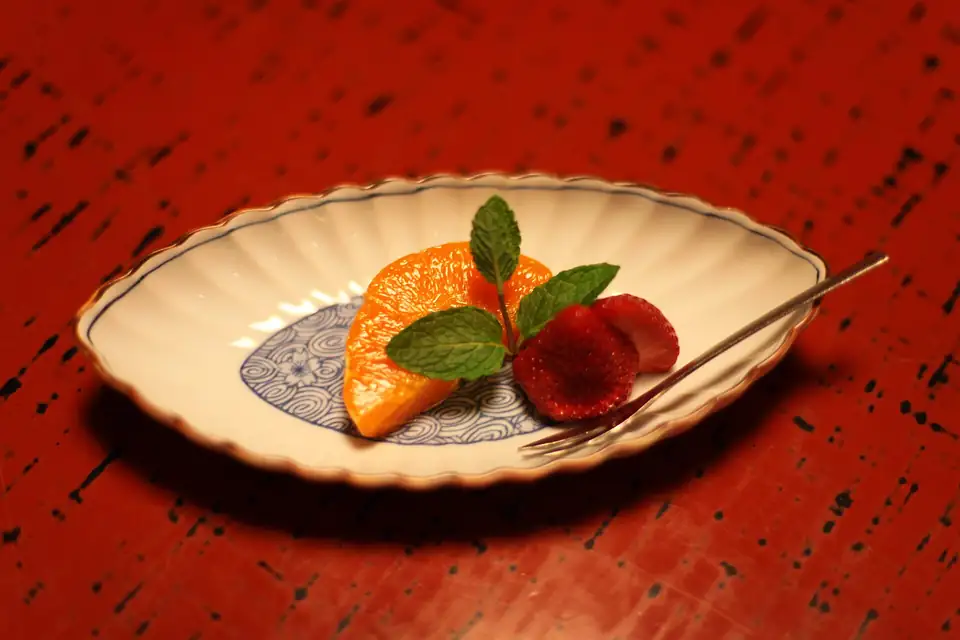
A fruit course of setoka orange and strawberry from a kaiseki dinner at Hiiragiya (taken in 2010)Photo: Paul Keller · CC BY 2.0 · Wikimedia Commons
Compiled by our editors from public sources. We warmly welcome corrections from the shop.
Nearby
Same food
When this shop first opened
1861
165 years since.
- 1853Perry's ships arrive at Uraga
- 1861Founded
- 1868The Meiji era begins
- 2026Today
Each event on the timeline is checked against a source.
See sources
1853: 外務省「六月三日ヨリ十二日迄異国船進退之図」解説; 1868: 国立公文書館「公文書にみる日本のあゆみ」年表