Shogoin Yatsuhashi Sohonten (main shop)
In Japanese: 聖護院八ッ橋総本店 本店
Est. c. 1689by tradition
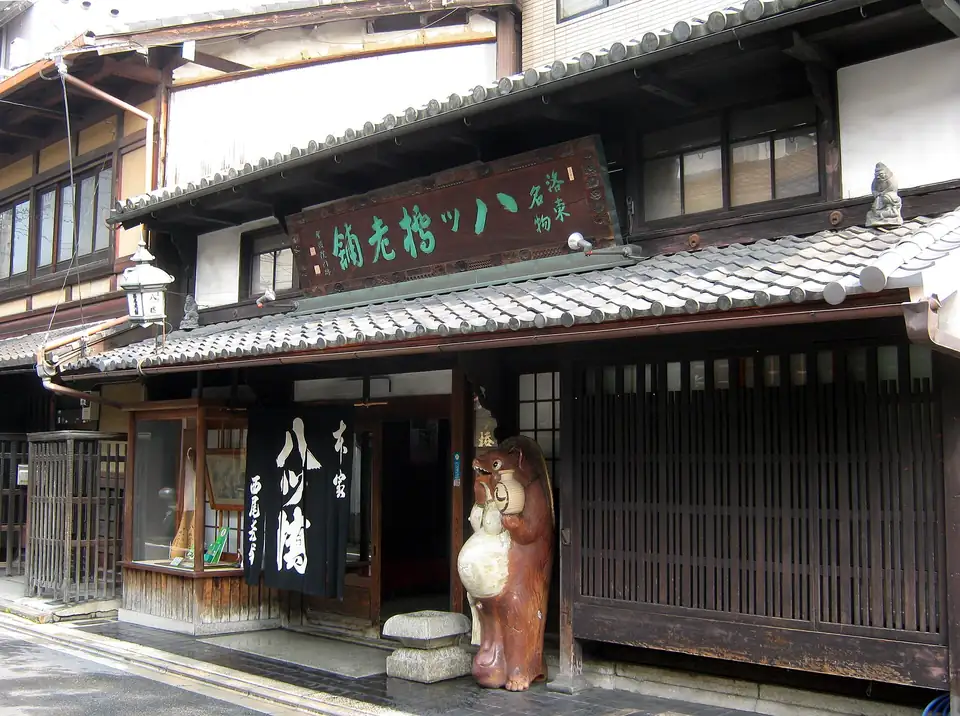
Shogoin Yatsuhashi Sohonten is a yatsuhashi maker whose main shop stands in Kyoto’s Shogoin district, said to date from 1689. According to the company, a koto-shaped dry sweet was first made that year in memory of the koto master Yatsuhashi Kengyo and sold at a teahouse in the Shogoin woods, where the main shop now stands. It sells baked yatsuhashi of rice flour, sugar and cinnamon, and Hijiri, soft yatsuhashi wrapped around bean paste.
- What to try
- Koto-shaped baked yatsuhashi and Hijirinama yatsuhashi with bean paste
- Address
- 6 Shogoin Sanno-cho, Sakyo-ku, Kyoto
- Getting there
- A short walk from the Kumano-jinja-mae bus stop (Kyoto City Bus)
- At the shop
- Take out
- Founded
- c. 1689 (by tradition)
- Era
- Edo period
- Food
- Wagashi
About Shogoin Yatsuhashi Sohonten (main shop)
According to the company, so many people came to visit the grave of Yatsuhashi Kengyo (died 1685), regarded as the founder of modern koto music, that a dry sweet shaped like a koto was made for them. It was first sold in 1689 at a teahouse in the Shogoin woods, on the approach to Konkai Komyoji Temple in Kurodani. The main shop stands on that spot today. Kengyo is buried at Jokoin, a sub-temple of Konkai Komyoji.569
The company defines yatsuhashi as a dough of rice flour and sugar, scented with cinnamon and baked in the shape of a koto. It chooses rice flour and sugar that bring out flavor, and a cinnamon that is fragrant but mild. Soft, unbaked dough wrapped around coarse bean paste is sold under the name Hijiri.510
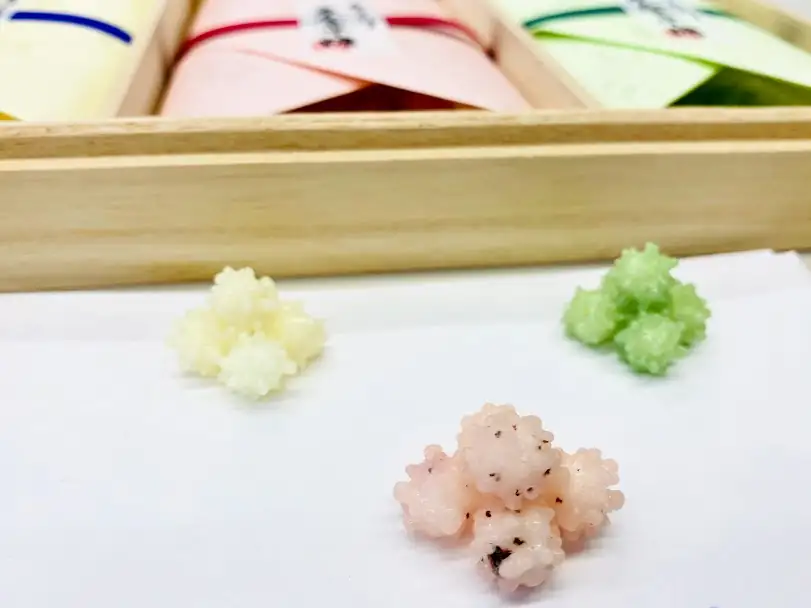
The main shop keeps the look of a Kyoto townhouse and sells sweets to take home. Kakitsubata, small balls of nama yatsuhashi dough, and Hanatsukushi, made in seasonal designs, are sold only here and at the Kumano shop. Every June 12, the anniversary of Kengyo’s death, the company holds the Yatsuhashi-ki memorial it began in 1949, and staff visit his grave at Jokoin.678
It is a short walk from the Kumano-jinja-mae stop on the Kyoto City Bus, near Shogoin Temple and Kumano Shrine.9
History
- 1685
Yatsuhashi Kengyo dies.
- 1689
Tradition says a koto-shaped sweet goes on sale at a teahouse in the Shogoin woods.
- 1949
Holds the first Yatsuhashi-ki memorial.
At the shop
Compiled by our editors from public sources. We warmly welcome corrections from the shop.
For the shop: to send a correction or photos, please use this form.
Nearby
Same food
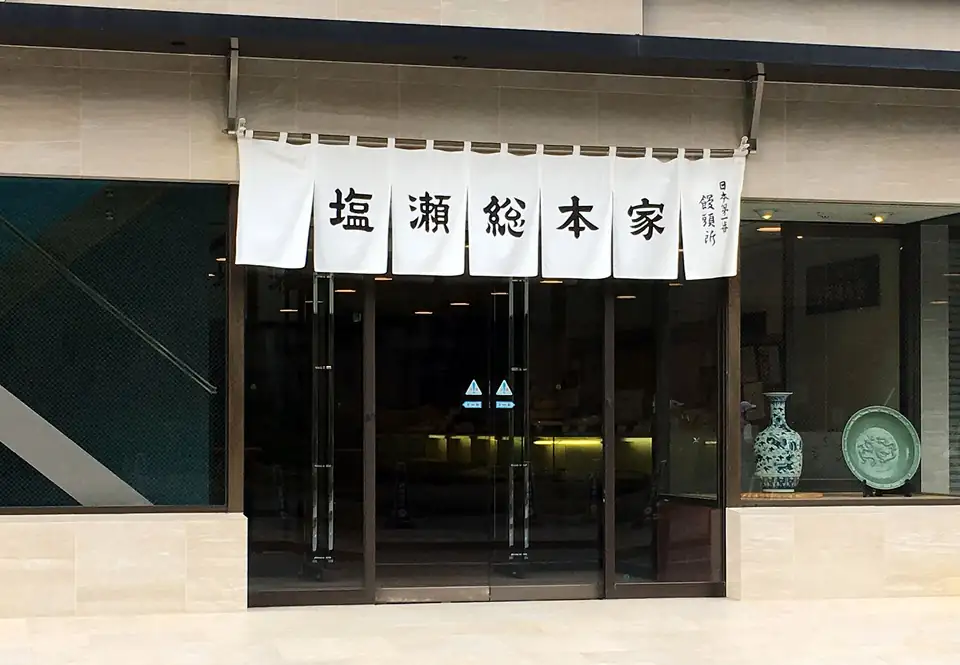 Est. c. 1349Shiose SohonkeShiose manju (steamed buns with yam and rice-flour dough)See this shop →
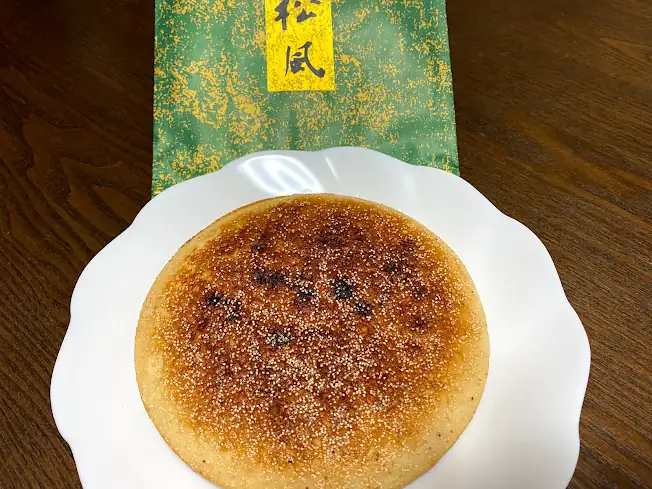 Est. c. 1421Kameya MutsuMatsukaze (baked miso cake)See this shop →
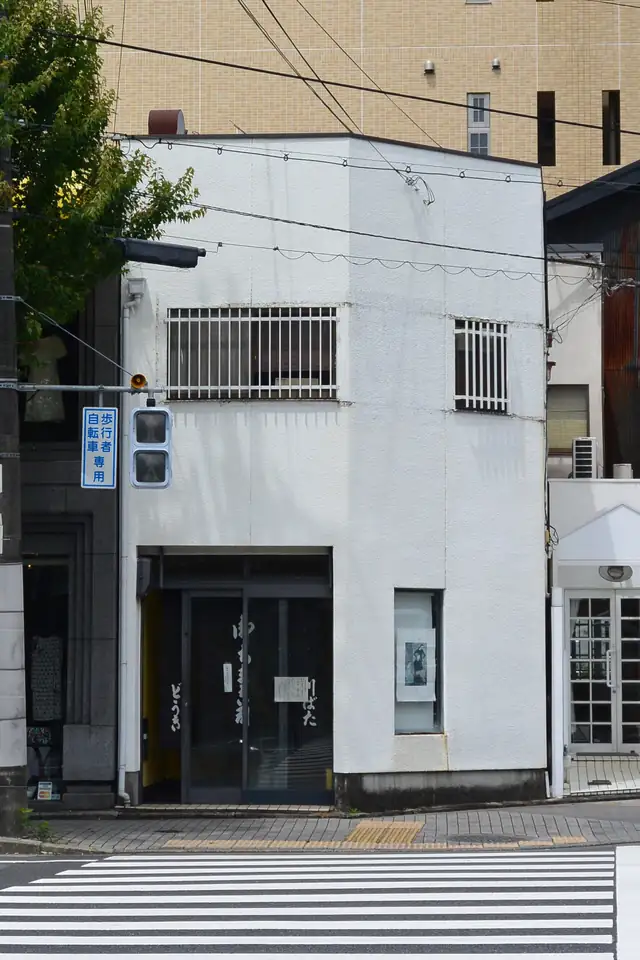 Est. 1503Kawabata DokiSuisen chimakiSee this shop →
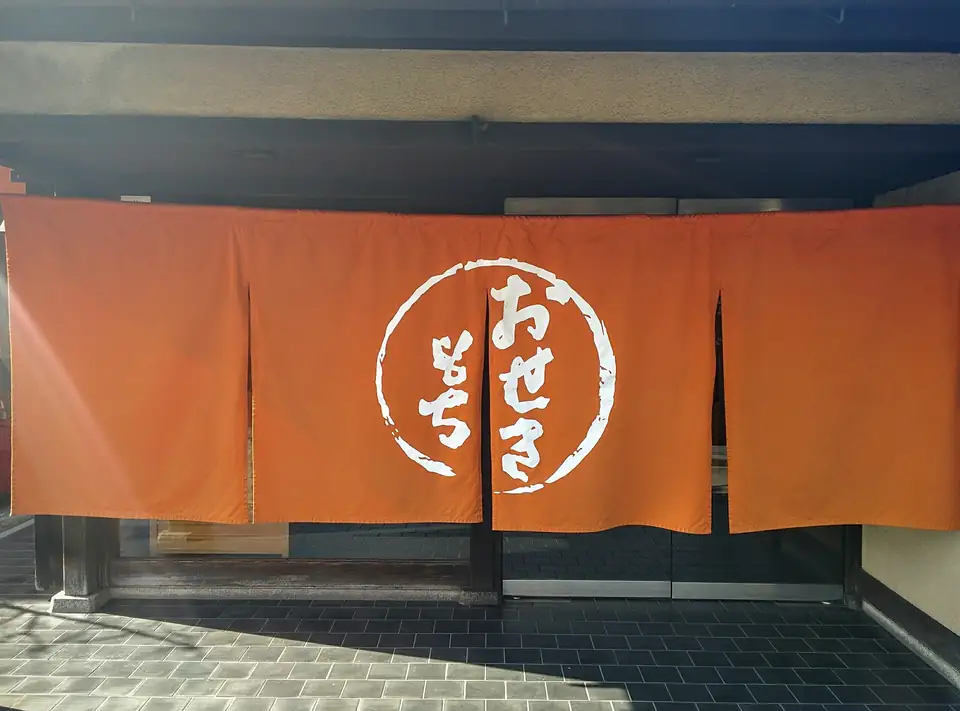 Est. c. 1569OsekimochiOseki mochi (plain and mugwort rice cakes topped with coarse bean paste)See this shop →
When this shop first opened
c. 1689 (by tradition)
337 years since.
- 1603The Edo shogunate begins
- 1689Founded
- 1774Kaitai Shinsho is published
- 2026Today
Each event on the timeline is checked against a source.
See sources
1603: 東京都都市整備局『東京の都市づくり通史』序章; 1774: 山口県文書館 解説資料「蘭学(解体新書)」