Sasaya Iori (main shop)
In Japanese: 笹屋伊織 本店
Est. 1716
Sasaya Iori is a wagashi (traditional Japanese sweets) shop at Shichijo-Omiya in Kyoto, open since 1716. Its founder, a confectioner from Ise, is said to have come to Kyoto to make sweets for the imperial court. Its dorayaki, sold only on the 20th to 22nd of each month, is a roll of thin pancake around bean paste, wrapped in bamboo sheath.
- What to try
- Dorayaki(sold only on the 20th–22nd of each month)
- Address
- 86 Hanabatake-cho, Shimogyo-ku, Kyoto
- Getting there
- About a 1-minute walk from the Shichijo-Omiya Kyoto Suizokukan-mae bus stop (Kyoto City Bus); about a 20-minute walk from Kyoto Station (JR)
- At the shop
- Eat inTake out
- Founded
- 1716
- Era
- Edo period
- Food
- Wagashi
About Sasaya Iori (main shop)
The founder, Sasaya Ihei, made sweets in the castle town of Ise. According to the shop, his skill led to work for the imperial court, and he opened in Kyoto in 1716. The name Iori is said to have been granted by the court. Since then the shop has made sweets for the palace, temples, shrines and heads of tea schools. A lacquered box with shell inlay, once used to carry sweets to the palace, has been kept for over 200 years.1457
Dorayaki began in the late Edo period (1603–1868), when the fifth head was asked by monks of Toji Temple, a customer, for a sweet to go with their meals. The name comes from baking the crust on a dora, a temple gong, so it could be made at the temple. Because it was made for monks, it contains no egg. Craftsmen spread a batter of flour, honey and starch syrup thinly by hand, roll it around smooth bean paste and wrap it in bamboo sheath. The batter is kept a little warmer in winter and cooler in summer.178
Because each dorayaki takes time to make by hand, it is sold only on the 20th to 22nd of each month. The main shop opens on those days even when they fall on its regular day off. The main shop has a café, and some sweets are sold only here. In summer it also serves kuzukiri (cool kudzu noodles).1679
It is about a 1-minute walk from the Shichijo-Omiya Kyoto Suizokukan-mae bus stop on the Kyoto City Bus, or about 20 minutes on foot from Kyoto Station.69
History
- 1716
Sasaya Ihei comes from Ise and opens in Kyoto.
At the shop
Compiled by our editors from public sources. We warmly welcome corrections from the shop.
For the shop: to send a correction or photos, please use this form.
Nearby
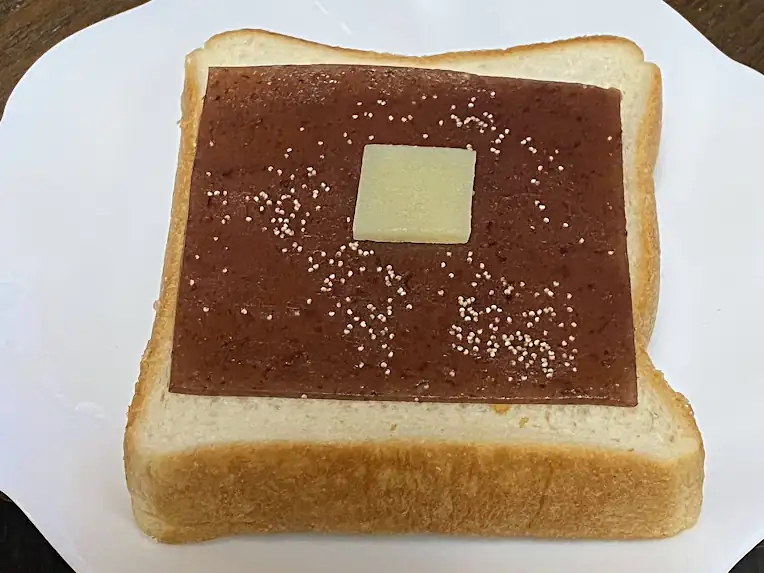
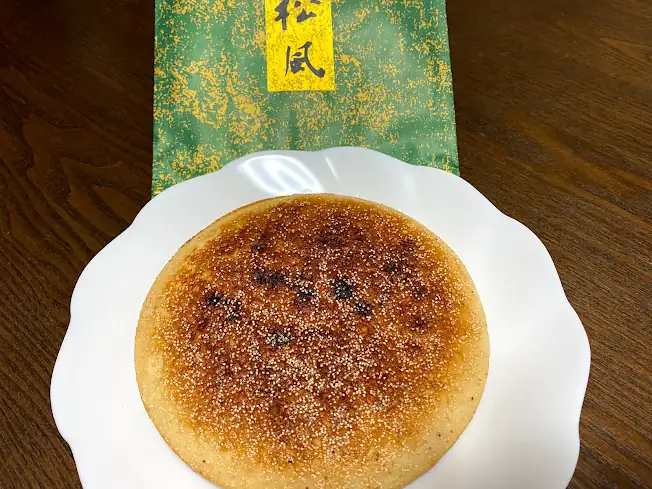 Est. c. 1421Kameya MutsuMatsukaze (baked miso cake)See this shop →
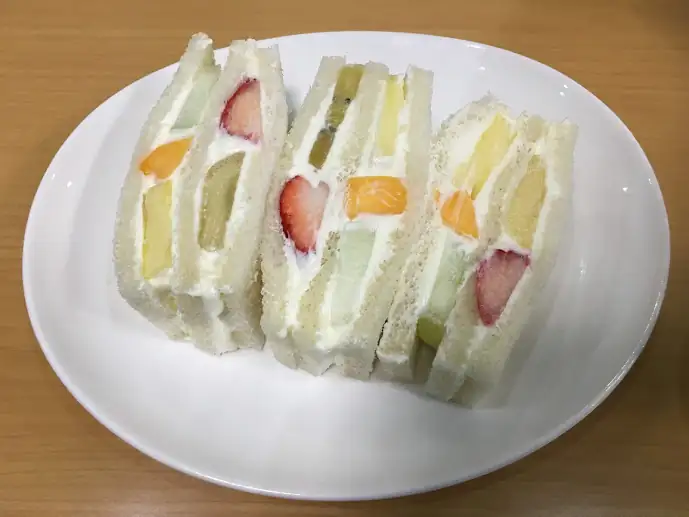 Est. 1869Yaoiso (fruit shop and Fruit Parlor Yaoiso)Fruit sandwichesSee this shop →
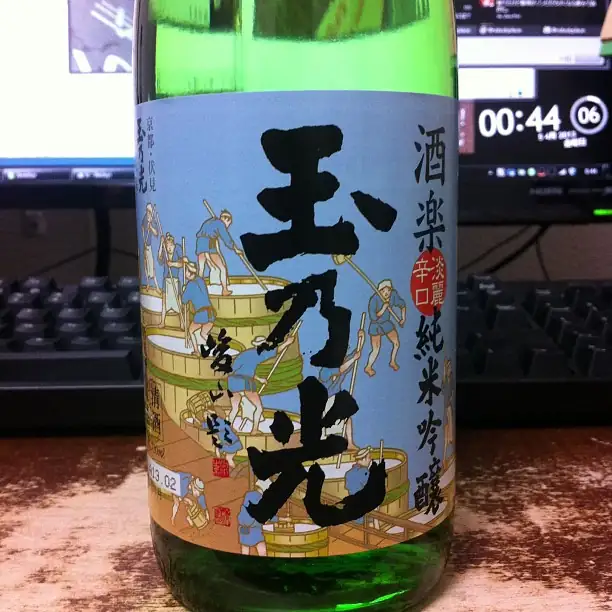 Est. 1673Junmai Sakekasu Tamanohikari (Tamanohikari Sake Brewery shop)The brewery’s own junmai ginjo sakeSee this shop →
 Est. 1803Kameya Yoshinaga (main shop)Ubatama (bean paste glazed with agar)See this shop →
Same food
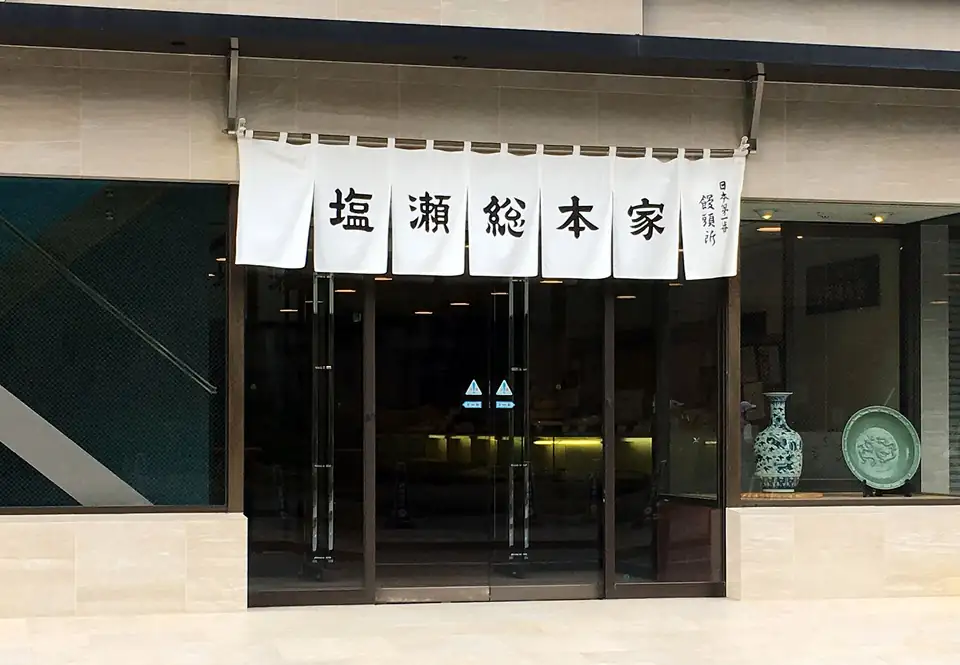 Est. c. 1349Shiose SohonkeShiose manju (steamed buns with yam and rice-flour dough)See this shop →
- Est. c. 1421Kameya MutsuMatsukaze (baked miso cake)See this shop →
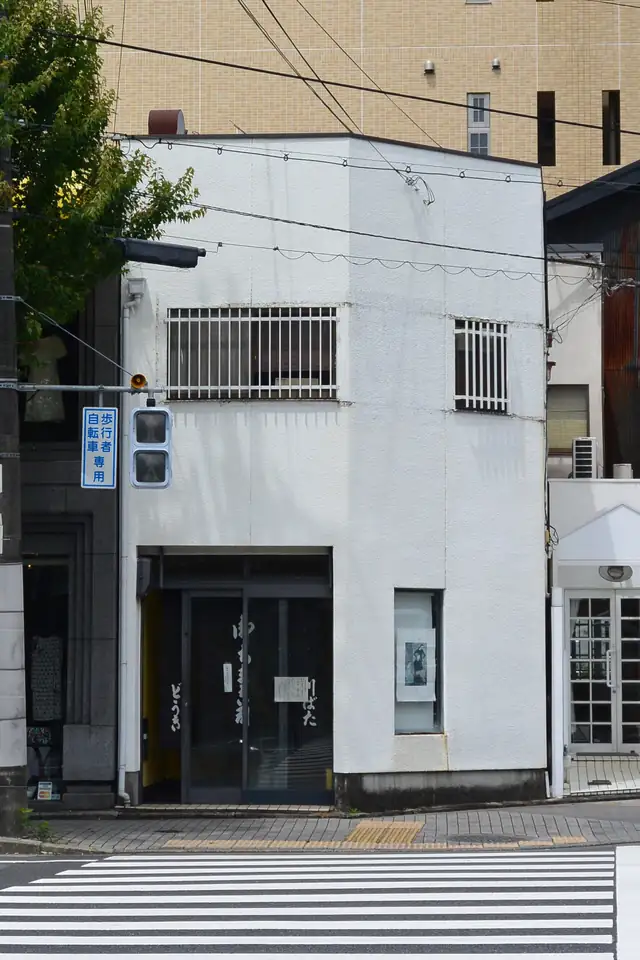 Est. 1503Kawabata DokiSuisen chimakiSee this shop →
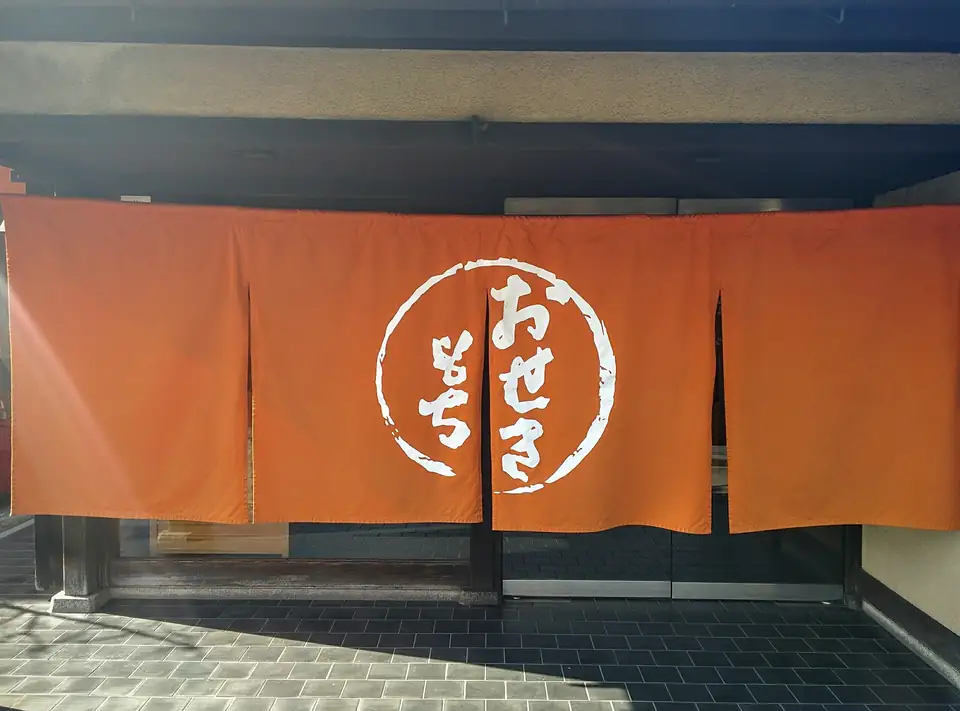 Est. c. 1569OsekimochiOseki mochi (plain and mugwort rice cakes topped with coarse bean paste)See this shop →
When this shop first opened
1716
310 years since.
- 1689Basho sets out on The Narrow Road to the Deep North
- 1716Founded
- 1774Kaitai Shinsho is published
- 2026Today
Each event on the timeline is checked against a source.
See sources
1689: 山口県文書館 解説資料「おくのほそ道」; 1774: 山口県文書館 解説資料「蘭学(解体新書)」