Kameya Yoshinaga (main shop)
In Japanese: 亀屋良長 本店
Est. 1803
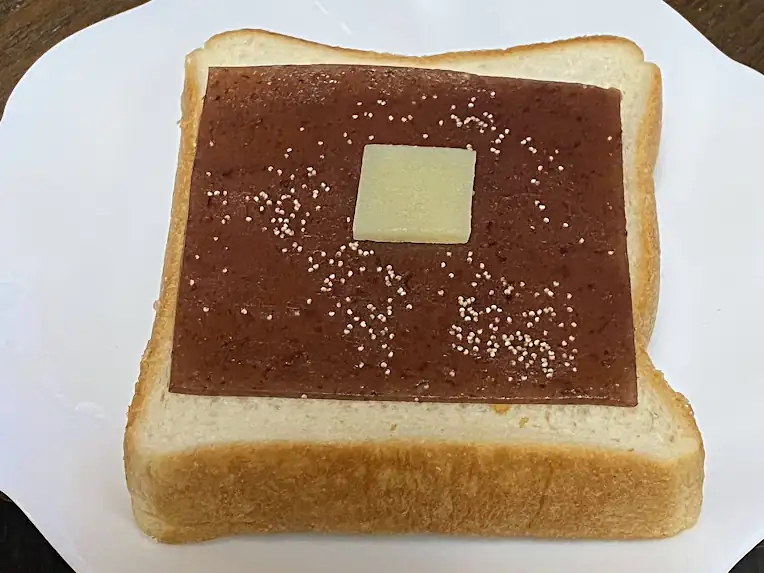
Kameya Yoshinaga is a wagashi (traditional Japanese sweets) shop at the corner of Shijo-dori and Samegai-dori in Kyoto, open since 1803. It is known for Ubatama, smooth bean paste cooked with brown sugar from Hateruma Island and glazed with agar. It also makes sliced yokan (a firm sweet bean jelly) to lay on toast.
- What to try
- Ubatama(bean paste glazed with agar)sliced yokan
- Address
- 17-19 Kashiwaya-cho, Shimogyo-ku, Kyoto
- Getting there
- About a 5-minute walk from Omiya Station (Hankyu Kyoto Line)
- At the shop
- Eat inTake out
- Founded
- 1803
- Era
- Edo period
- Food
- Wagashi
About Kameya Yoshinaga (main shop)
The shop was founded in 1803 at Shijo-Samegai, a site chosen for its good water. In the Edo period (1603–1868) it also made fine sweets for the imperial court. The present head is the eighth generation, and the shop still uses tools handed down from the Edo period.13
Its signature Ubatama has been made since the founding: smooth bean paste cooked with brown sugar from Hateruma Island, glazed with agar. The name is said to come from nubatama, an old word for the black seeds of the blackberry lily. There is also Kiku monaka (wafer shells filled with bean paste) with Tanba Dainagon azuki beans, and sliced yokan to eat on toast.13
In its early days the shop used well water. The well dried up for a time, so it was dug again when the building was renovated in 1991 and named Samegai. The water is used for the sweets, and anyone may draw it from the spring beside the shop.13
The ground floor is the shop, and there is also a tearoom. The fourth floor holds a wagashi-making class, with wooden molds for dry sweets from the late Edo period to today on the walls. It is about a 5-minute walk from Omiya Station (Hankyu).34
History
- 1803
Founded at Shijo-Samegai, chosen for its good water.
- 1991
Re-digs the dried-up well during a renovation and names it Samegai.
At the shop
Compiled by our editors from public sources. We warmly welcome corrections from the shop.
Nearby
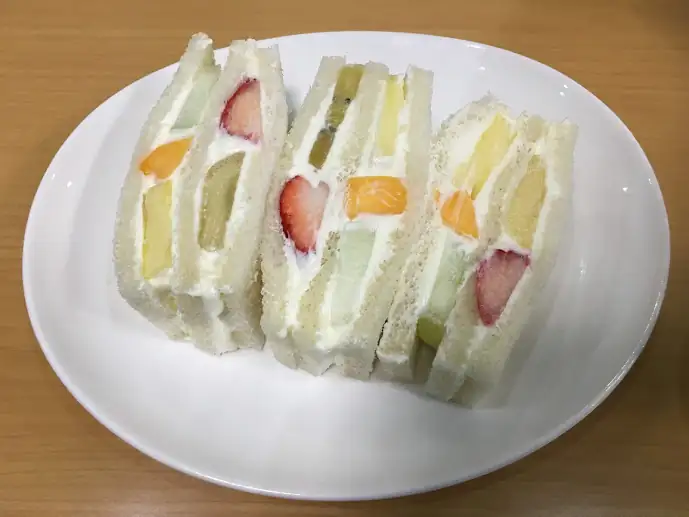 Est. 1869Yaoiso (fruit shop and Fruit Parlor Yaoiso)Fruit sandwichesSee this shop →
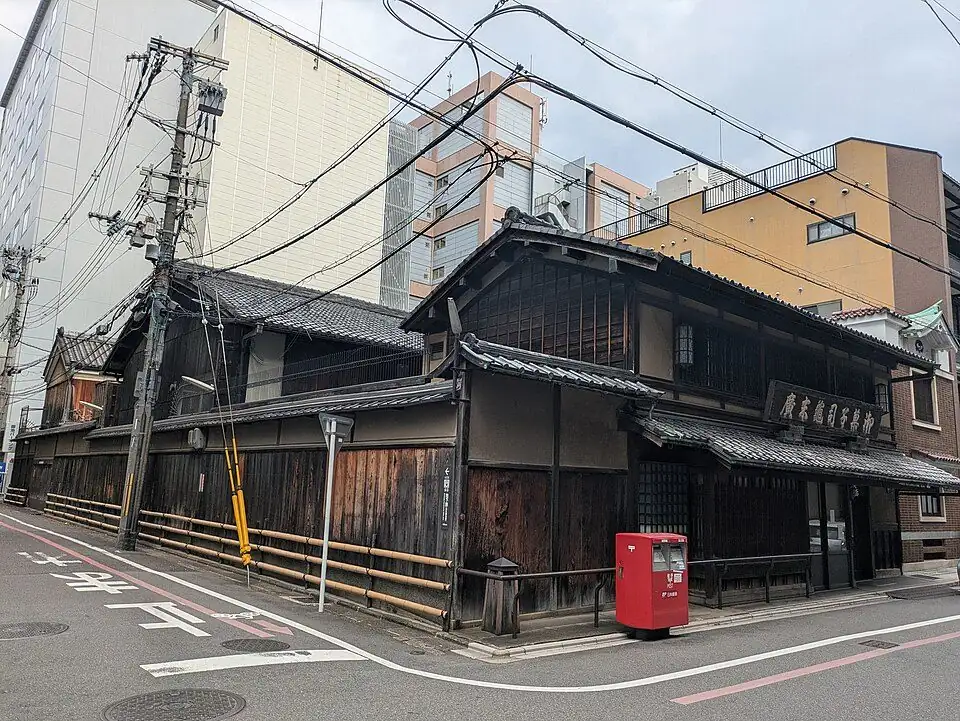 Est. 1804KamesuehiroKyo no yosuga (the “four-and-a-half-mat” box) and Kyo no junitsukiSee this shop →
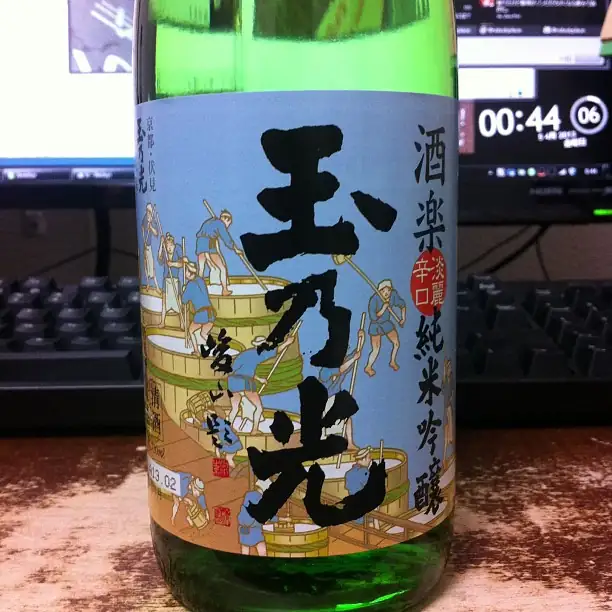 Est. 1673Junmai Sakekasu Tamanohikari (Tamanohikari Sake Brewery shop)The brewery’s own junmai ginjo sakeSee this shop →
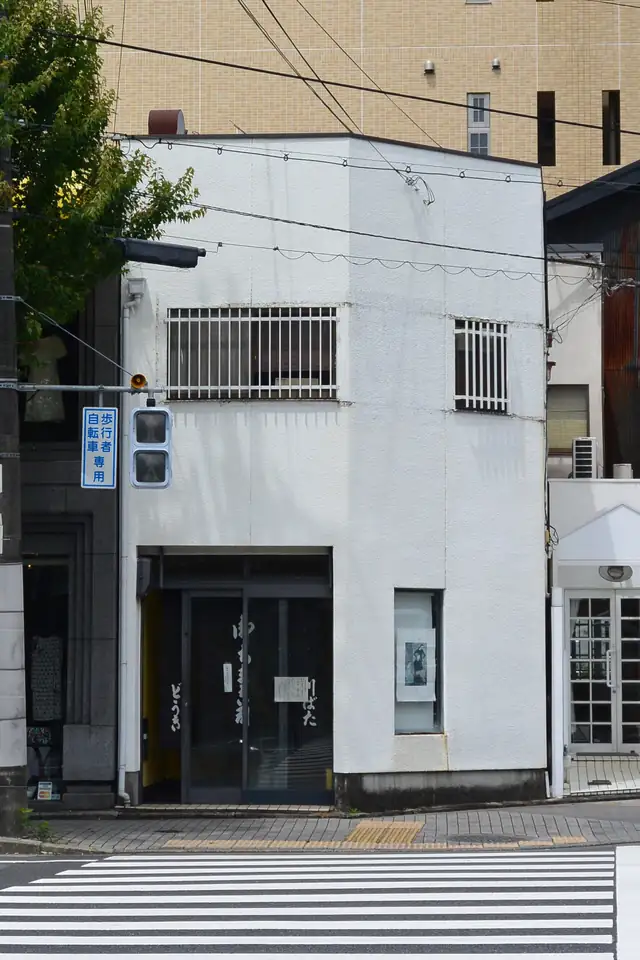
 Est. c. 1824Fuka (Nishiki shop)Fu-manjuSee this shop →
Same food
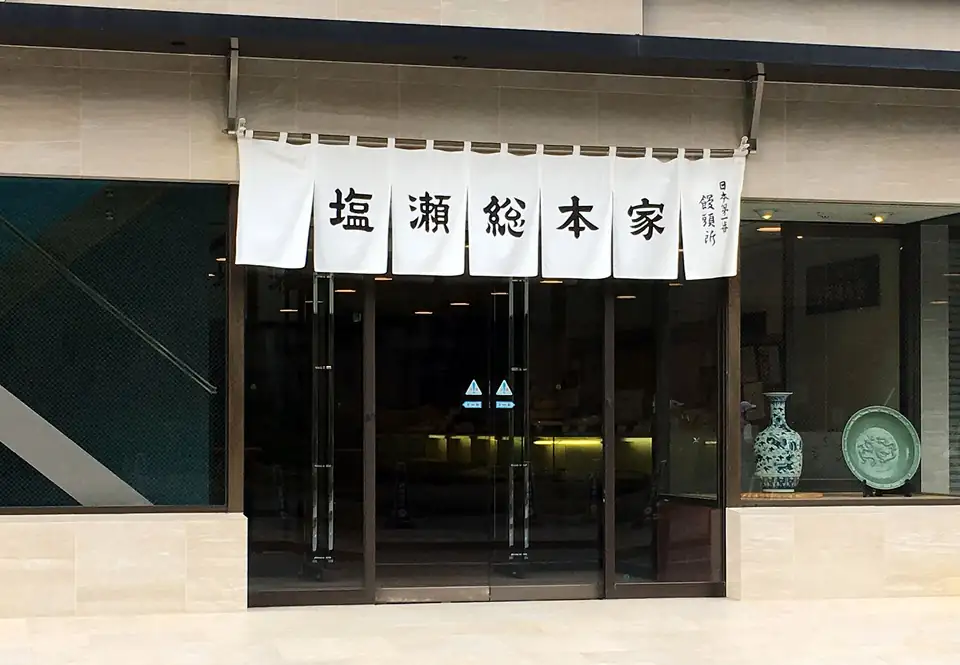 Est. c. 1349Shiose SohonkeShiose manju (steamed buns with yam and rice-flour dough)See this shop →
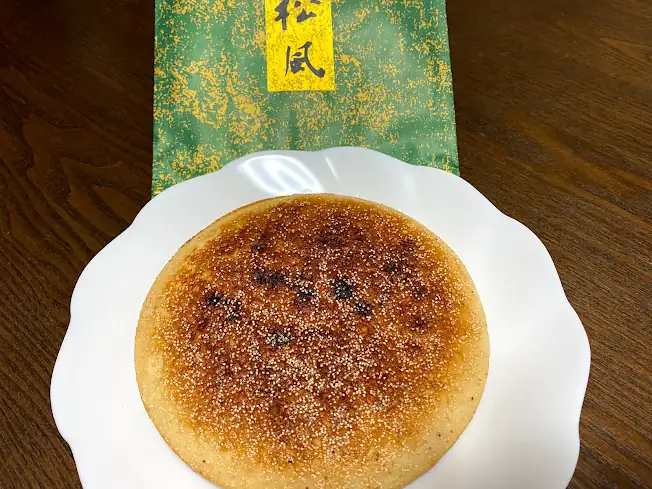 Est. c. 1421Kameya MutsuMatsukaze (baked miso cake)See this shop →
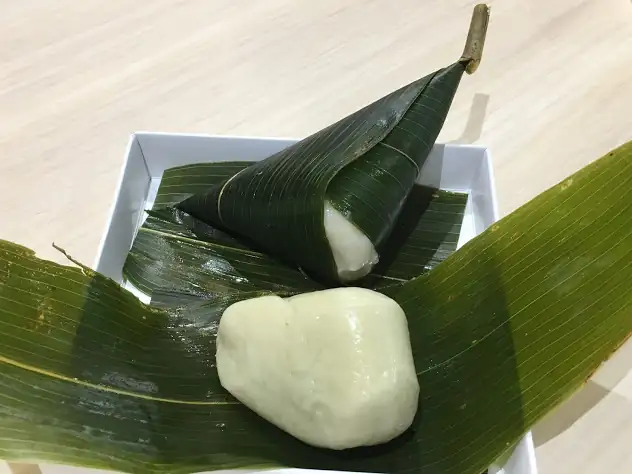
 Est. 1503Kawabata DokiSuisen chimakiSee this shop →
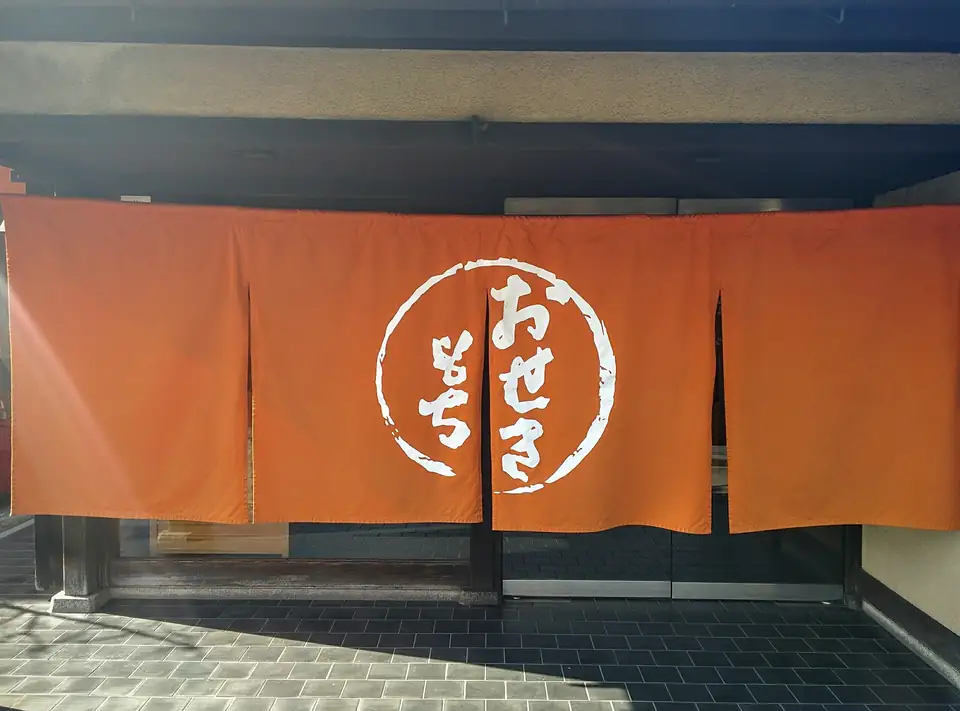 Est. c. 1569OsekimochiOseki mochi (plain and mugwort rice cakes topped with coarse bean paste)See this shop →
When this shop first opened
1803
223 years since.
- 1774Kaitai Shinsho is published
- 1803Founded
- 1853Perry's ships arrive at Uraga
- 2026Today
Each event on the timeline is checked against a source.
See sources
1774: 山口県文書館 解説資料「蘭学(解体新書)」; 1853: 外務省「六月三日ヨリ十二日迄異国船進退之図」解説