Okashi-tsukasa Wakasaya Hisashige
In Japanese: 御菓子司 若狭屋久茂
Est. 1716
Wakasaya Hisashige is a Kyoto sweets shop for higashi (dry sweets), just east of Shijo-Omiya on the south side of Shijo-dori, open since 1716. It began near Nijo Castle and moved here in the early Showa era (1926–1989). Its dry sweets are made with Awa wasanbon sugar and Wakasa kudzu, including Ganesha, shaped like the elephant-headed god.
- What to try
- Wasanbon dry sweets (Koto no IrodoriGanesha), suhama
- Address
- 513 Karatsuya-cho, Shimogyo-ku, Kyoto
- Getting there
- About a 2-minute walk from Omiya Station (Hankyu Kyoto Line) and Shijo-Omiya Station (Randen)
- At the shop
- Take out
- Founded
- 1716
- Era
- Edo period
- Food
- Wagashi
About Okashi-tsukasa Wakasaya Hisashige
The founder, Chojiya Ichibei, came to Kyoto and opened a shop near Nishihorikawa-Shimodachiuri in 1716. The shop served Nijo Castle, and in the Edo period (1603–1868) it also supplied guns and worked as a money changer, alongside making sweets. It used the names Kanroken and Hojuya, and in the early Meiji era (1868–1912) the head house of Wakasaya granted it the name Wakasaya Hisashige. In the early Showa era it moved to Shijo-Omiya.13
Until about the sixth head, the main product was neri-yokan (a firm sweet bean jelly). After the seventh head created Koto no Irodori, dry sweets of Awa wasanbon sugar became the core. They are made with wasanbon and Wakasa kudzu, one by one by hand. The eighth head, the successor, is also a dancer of Indian dance. Her Ganesha sweet, shaped like the elephant-headed god, comes plain or spiced with ginger, pepper and nutmeg.123
The shop is on the south side of Shijo-dori, behind glass doors. Besides dry sweets, it sells suhama (soft sweets of roasted soybean flour) and monaka (wafer shells filled with bean paste).23
It is about a 2-minute walk from Omiya Station on the Hankyu Line or Shijo-Omiya Station on the Randen line.23
History
Lineage
- ChojiyaFounder's trade name
- Kanroken / HojuyaNames used in the Edo period
- Wakasaya HisashigeName granted by the head Wakasaya in early Meiji
Drawn only from what the sources state.
- 1716
Chojiya Ichibei opens near Nishihorikawa-Shimodachiuri.
At the shop
Compiled by our editors from public sources. We warmly welcome corrections from the shop.
For the shop: to send a correction or photos, please use this form.
Nearby
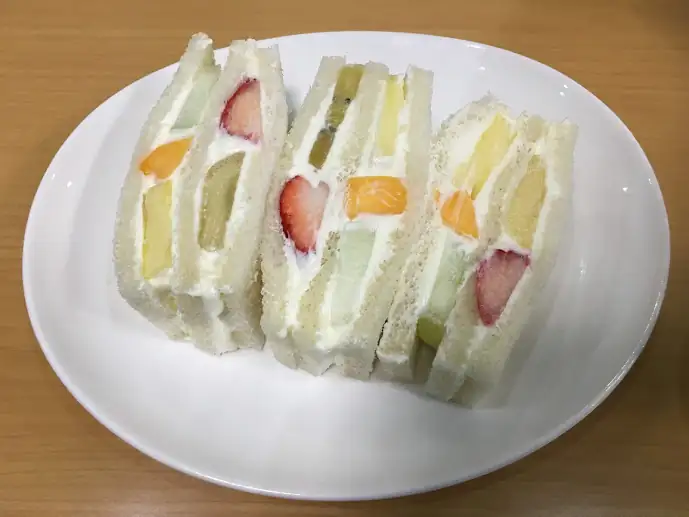 Est. 1869Yaoiso (fruit shop and Fruit Parlor Yaoiso)Fruit sandwichesSee this shop →
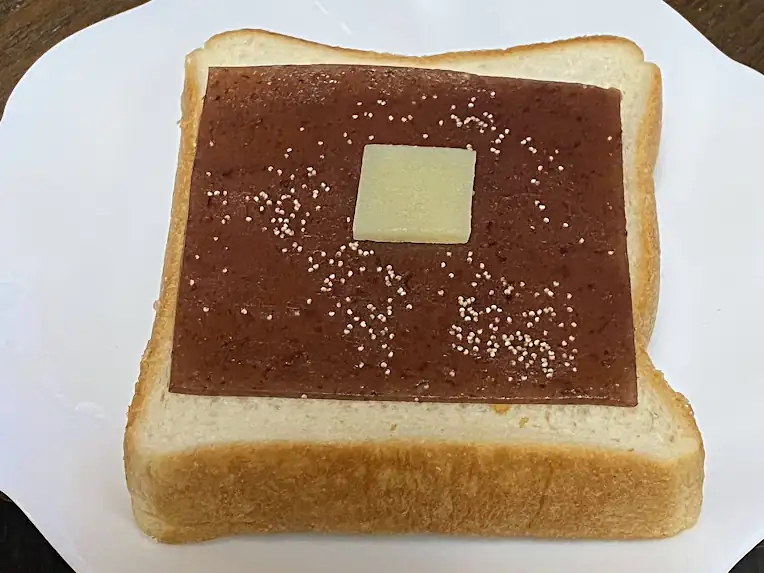 Est. 1803Kameya Yoshinaga (main shop)Ubatama (bean paste glazed with agar)See this shop →
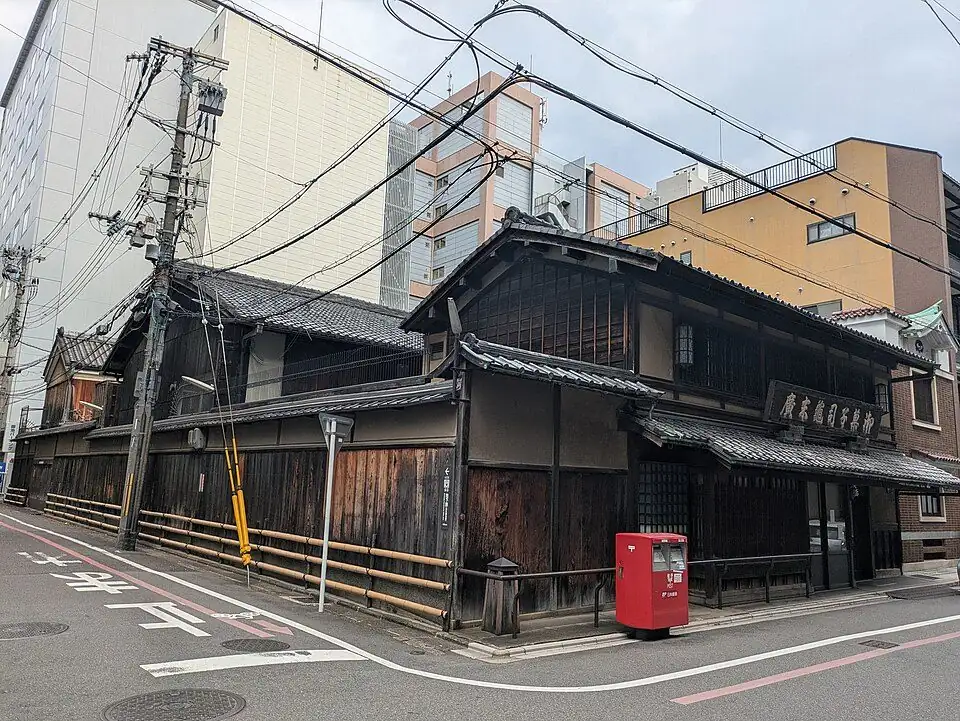 Est. 1804KamesuehiroKyo no yosuga (the “four-and-a-half-mat” box) and Kyo no junitsukiSee this shop →
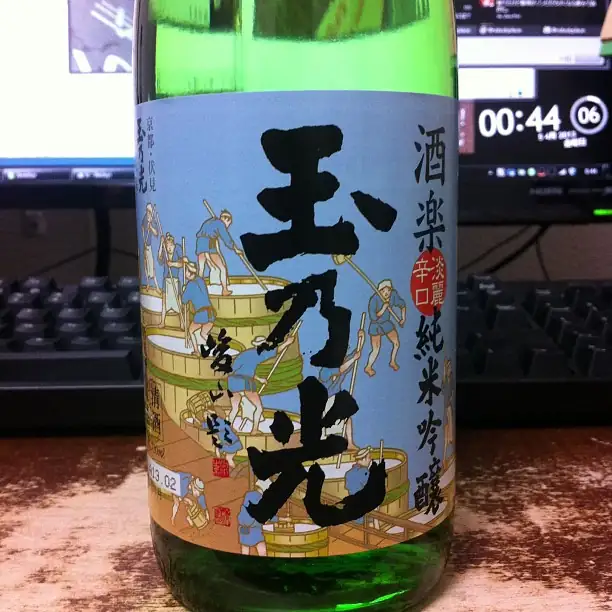 Est. 1673Junmai Sakekasu Tamanohikari (Tamanohikari Sake Brewery shop)The brewery’s own junmai ginjo sakeSee this shop →
Same food
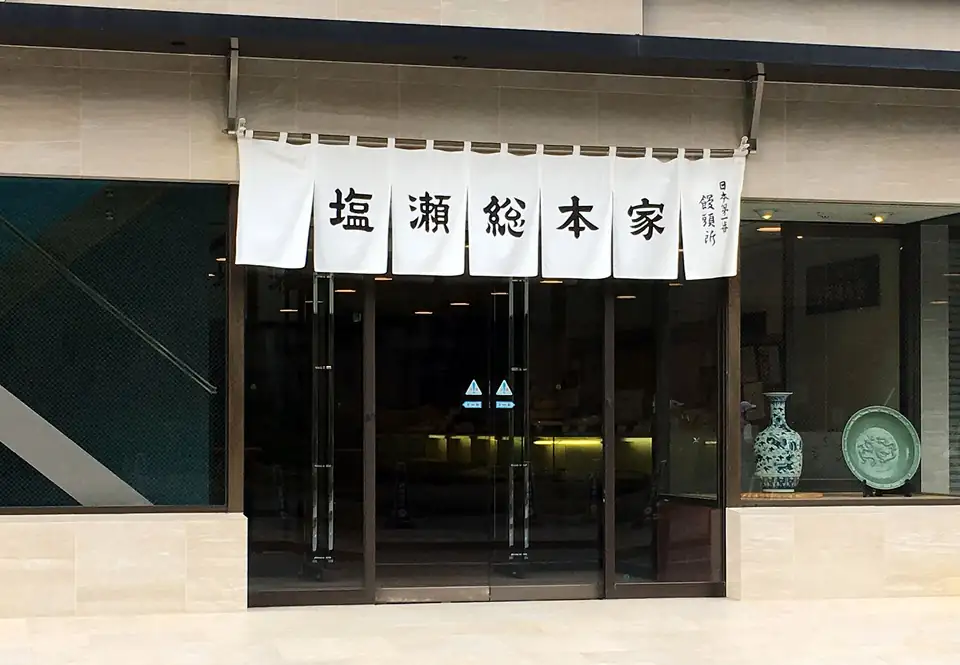 Est. c. 1349Shiose SohonkeShiose manju (steamed buns with yam and rice-flour dough)See this shop →
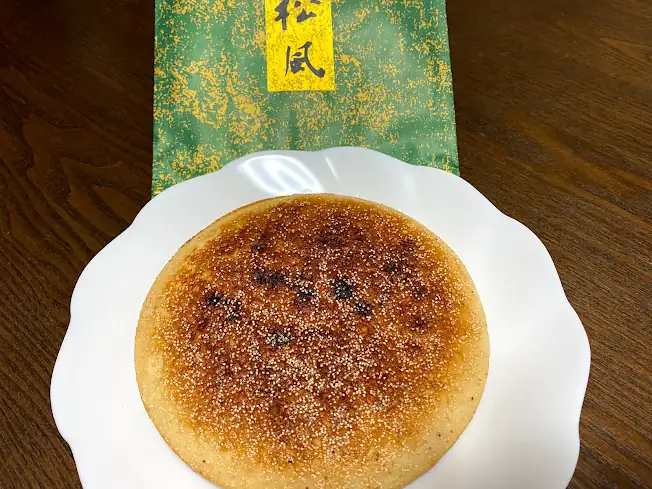 Est. c. 1421Kameya MutsuMatsukaze (baked miso cake)See this shop →
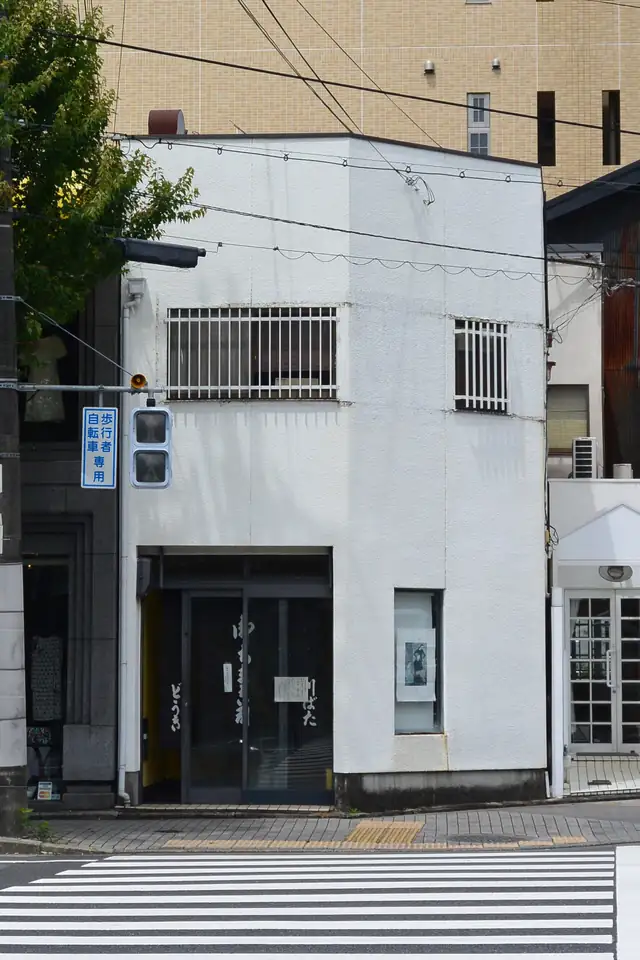 Est. 1503Kawabata DokiSuisen chimakiSee this shop →
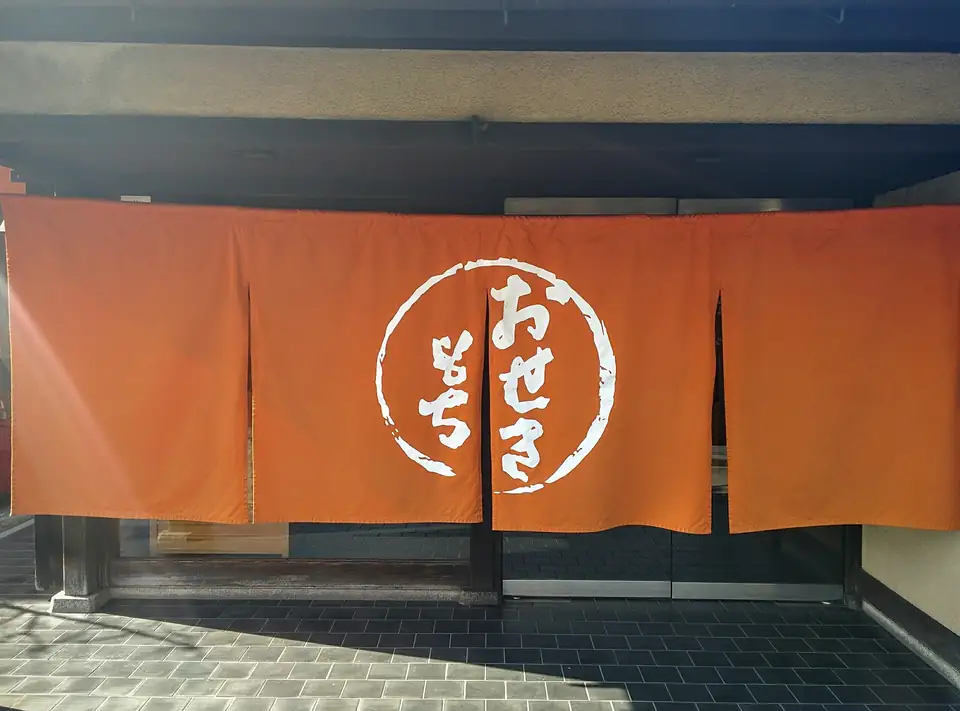 Est. c. 1569OsekimochiOseki mochi (plain and mugwort rice cakes topped with coarse bean paste)See this shop →
When this shop first opened
1716
310 years since.
- 1689Basho sets out on The Narrow Road to the Deep North
- 1716Founded
- 1774Kaitai Shinsho is published
- 2026Today
Each event on the timeline is checked against a source.
See sources
1689: 山口県文書館 解説資料「おくのほそ道」; 1774: 山口県文書館 解説資料「蘭学(解体新書)」