Mochijin
In Japanese: 餅甚
Est. 1716
Mochijin is a wagashi (traditional Japanese sweets) shop on Mihara-dori, part of the old Tokaido road in Omori, Tokyo, open since 1716. Its founder is said to have brought a rice-cake specialty from his home province of Suruga. The signature abekawa mochi are bite-size rice cakes served with house-made black syrup and kinako (roasted soybean flour).
- What to try
- Abekawa mochi(rice cakes with black syrup and kinako)
- Address
- 1-4-3 Omorihigashi, Ota-ku, Tokyo
- Getting there
- About a 6-minute walk from Heiwajima Station (Keikyu Main Line)
- At the shop
- Take out
- Founded
- 1716
- Era
- Edo period
- Food
- Wagashi
About Mochijin
According to the shop, the founder, Jinzaburo, came from Suruga Province (now Shizuoka) and in 1716 opened a teahouse called Surugaya on this spot, serving tea and sweets to travelers. It became a wagashi shop in the Meiji era and took the name Mochijin in the Taisho era. The 11th-generation owner has run it since 2018.124
Abekawa mochi was originally a specialty of Suruga, and the founder is said to have brought it to Edo. It was once sold only during the hottest days of midsummer, as food to build strength. About 50 years ago the 10th-generation owner began selling it all year round.134
The shop uses glutinous rice from Miyagi. It is soaked overnight in water from the well on the grounds, steamed, then pounded with added water. The pounding is adjusted for the season, temperature and humidity. The bite-size rice cakes come with house-made black syrup and kinako.14
The shop is on the Mihara Minami shopping street along Mihara-dori. Sweets are made and sold on the ground floor of a building rebuilt about 30 years ago. All the bean paste is made in-house, and 15 to 20 items are on offer, including ohagi, dango, red bean rice and Mihara Musume, a baked sweet created by the 10th-generation owner. Sakuramochi are sold until around the spring equinox.45
It is about a 6-minute walk from Heiwajima Station (Keikyu Main Line). Abekawa mochi can sell out, but the shop will set some aside if you call ahead.24
History
- 1716
Jinzaburo opens a teahouse called Surugaya.
- 2018
The 11th generation becomes owner.
At the shop
Compiled by our editors from public sources. We warmly welcome corrections from the shop.
For the shop: to send a correction or photos, please use this form.
Nearby
Same food
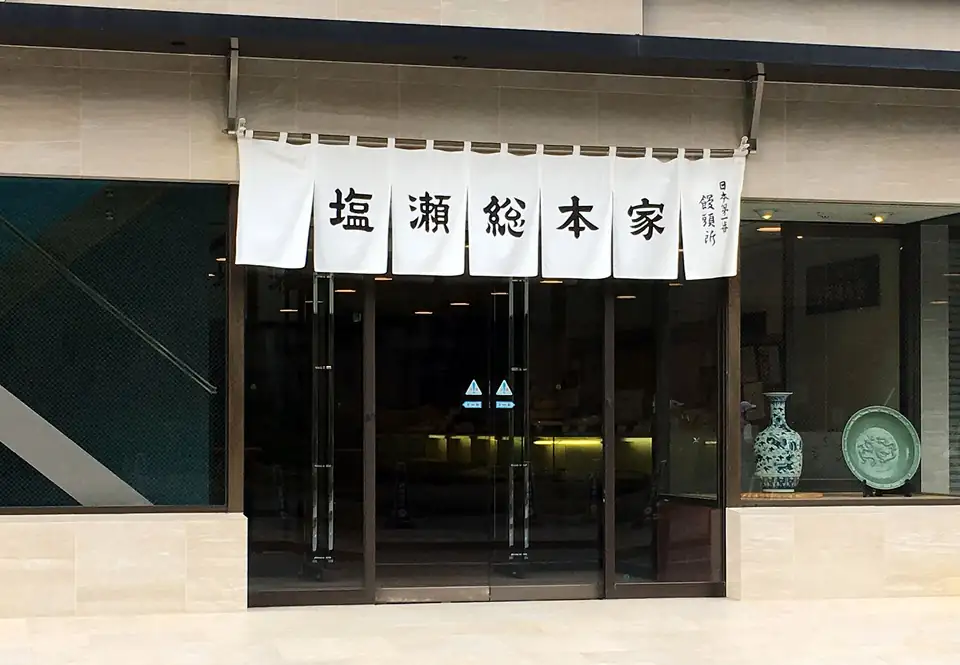 Est. c. 1349Shiose SohonkeShiose manju (steamed buns with yam and rice-flour dough)See this shop →
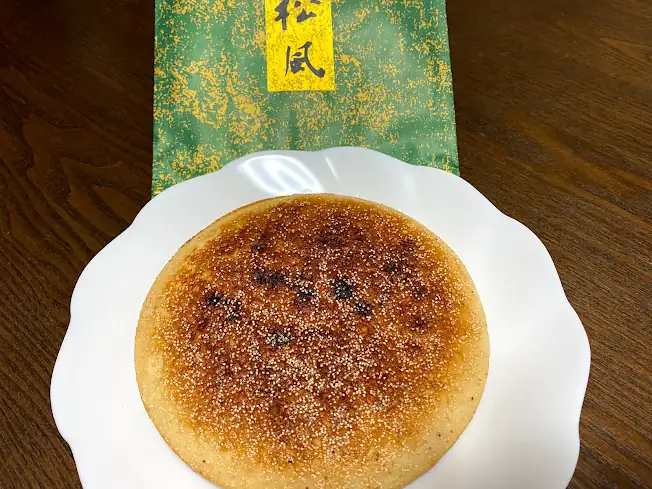 Est. c. 1421Kameya MutsuMatsukaze (baked miso cake)See this shop →
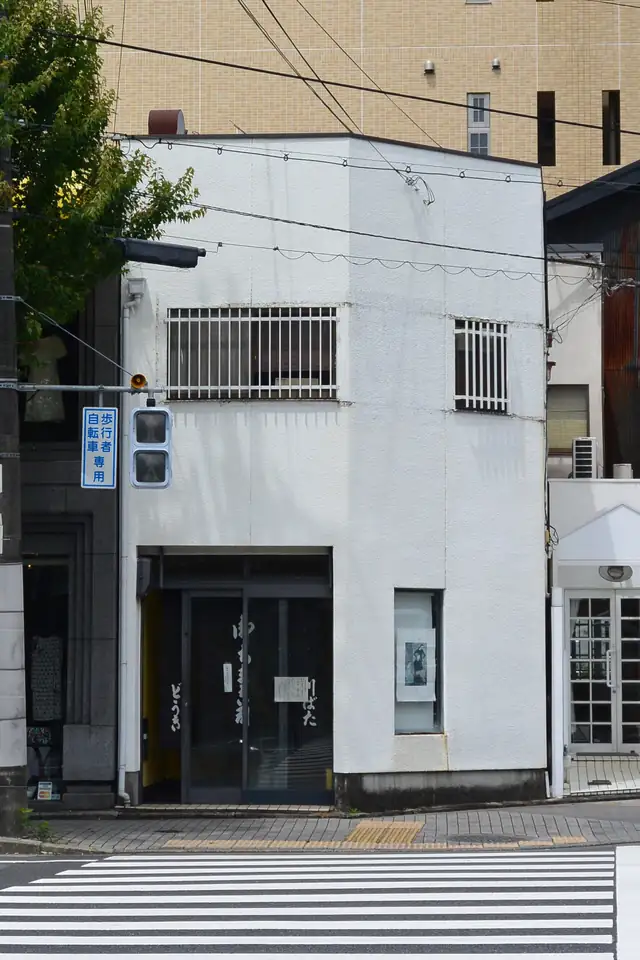 Est. 1503Kawabata DokiSuisen chimakiSee this shop →
 Est. c. 1569OsekimochiOseki mochi (plain and mugwort rice cakes topped with coarse bean paste)See this shop →
When this shop first opened
1716
310 years since.
- 1689Basho sets out on The Narrow Road to the Deep North
- 1716Founded
- 1774Kaitai Shinsho is published
- 2026Today
Each event on the timeline is checked against a source.
See sources
1689: 山口県文書館 解説資料「おくのほそ道」; 1774: 山口県文書館 解説資料「蘭学(解体新書)」