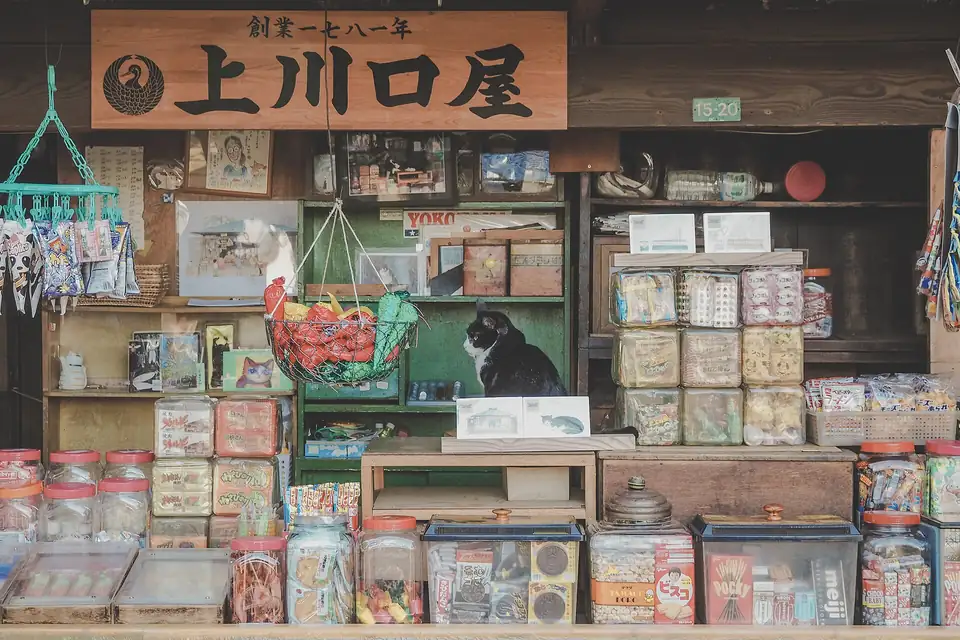
Kamikawaguchiya
In Japanese: 上川口屋
Est. 1781
Kamikawaguchiya is a dagashi (old-fashioned penny candy) shop in the grounds of Kishimojin-do Temple in Zoshigaya, open since 1781. It began as a candy shop serving the Maeda lords of Kaga and sold yuzu candy, then turned to dagashi between 1955 and 1964. About 100 kinds of sweets fill its small wooden shop.
- What to try
- Dagashi penny candykinako candy, string-pull candy
- Address
- 3-15-20 Zoshigaya, Toshima-ku, Tokyo
- Getting there
- 3-minute walk from Kishibojimmae Station (Tokyo Sakura Tram)
- At the shop
- Take out
- Founded
- 1781
- Era
- Edo period
- Food
- Other
About Kamikawaguchiya
The shop was founded in 1781 as a candy shop that supplied the Maeda lords of the Kaga domain. In its early days it sold yuzu candy, a luxury item with a citrus scent, and also candy made from rice. Candy was still sold when the current owner, the 13th generation, was a child. Between 1955 and 1964 the ingredients became hard to get, and the shop turned to dagashi. A 1954 photo shows the 12th-generation owner with the young future 13th.13
Today the shop stocks about 100 kinds of bought-in dagashi. Popular items include 10-yen snacks made from cod with a squid flavor, kinako candy (candy coated in roasted soybean flour) and lucky-draw candy. Plum jam and sauce-flavored senbei (rice crackers) also sell well. The sweets are set out on a wooden bench, and the owner sometimes shows children how to play the string-pull candy game.12
The shop is a single-story wooden building in the temple grounds. Its name hangs in block script at the center of the eaves, with the founding year 1781 written above it. The building is said to date from the end of the Edo period (1603–1868) and survived both the 1923 Great Kanto Earthquake and the air raids of World War II. Old paulownia boxes and candy cases line the shelves. The family has always kept cats, partly to keep mice away, and a shop cat often sits out front. The shop is said to have been a model for the candy shop in the Studio Ghibli film Only Yesterday.1234
It is a 3-minute walk from Kishibojimmae Station on the Tokyo Sakura Tram, or about 15 minutes on foot south along Meiji-dori Avenue from the east exit of Ikebukuro Station. The shop is closed on rainy days. In November, during the Shichi-Go-San festival for children, it can be busy with families dressed up for the occasion.12
History
- 1781
Founded as a candy shop that supplied the Maeda lords of Kaga.
At the shop
Photos2 photos
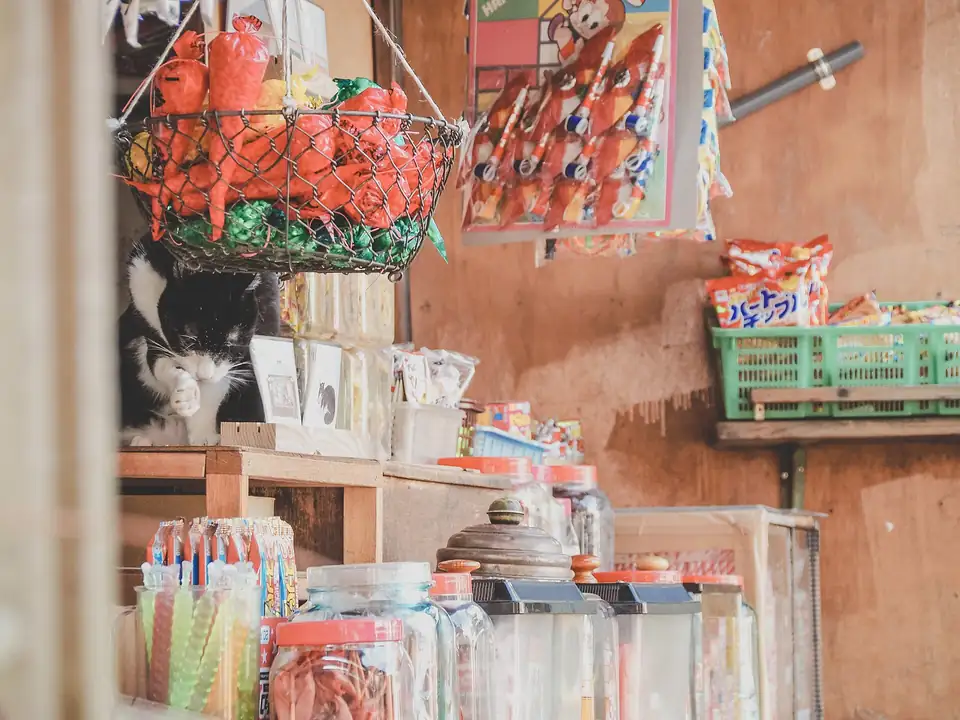
Dagashi penny candy on the shelvesPhoto: torne (where's my lens cap ) · CC BY 2.0 · Wikimedia Commons
Compiled by our editors from public sources. We warmly welcome corrections from the shop.
Nearby
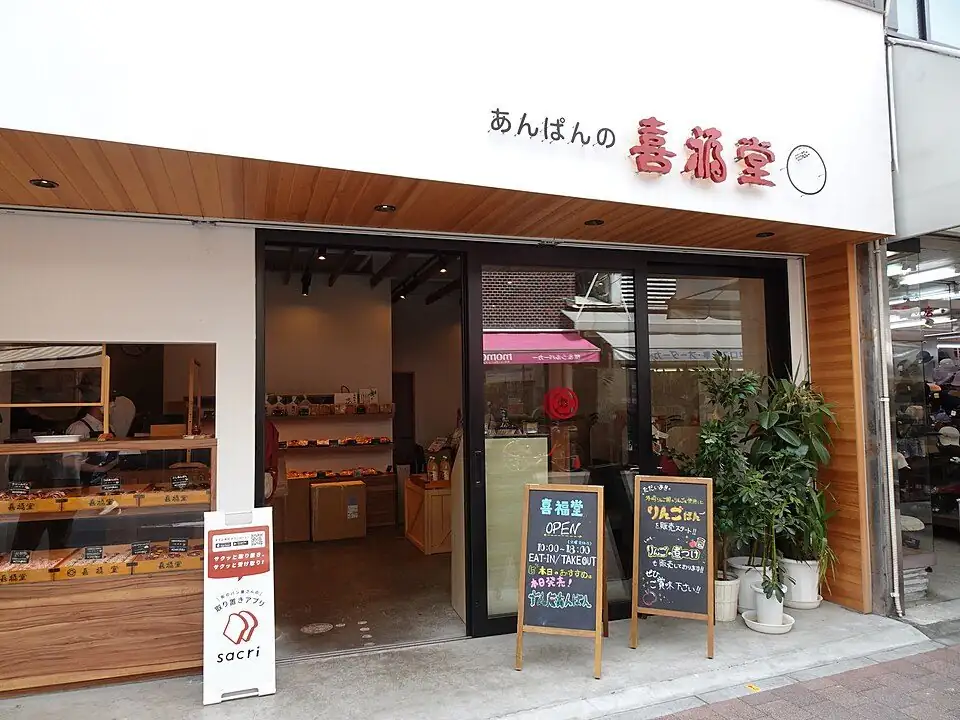
Same food
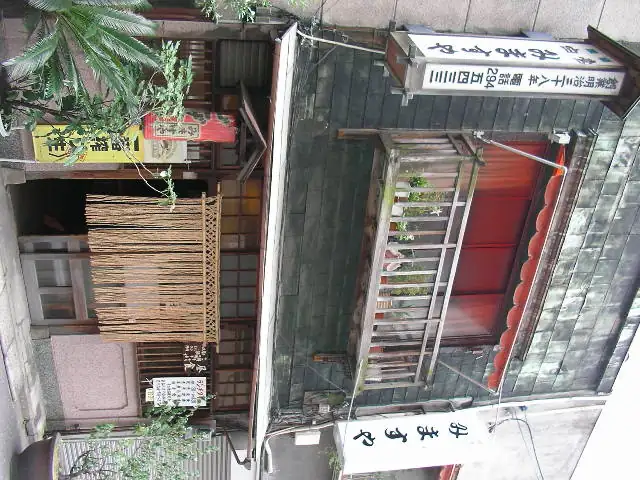
When this shop first opened
1781
245 years since.
- 1774Kaitai Shinsho is published
- 1781Founded
- 1802The first volume of Tokaidochu Hizakurige appears
- 2026Today
Each event on the timeline is checked against a source.
See sources
1774: 山口県文書館 解説資料「蘭学(解体新書)」; 1802: 静岡県立中央図書館「温故知新」十返舎一九と『膝栗毛』