Yamabana Heihachi-jaya
In Japanese: 山ばな 平八茶屋
Est. c. 1576
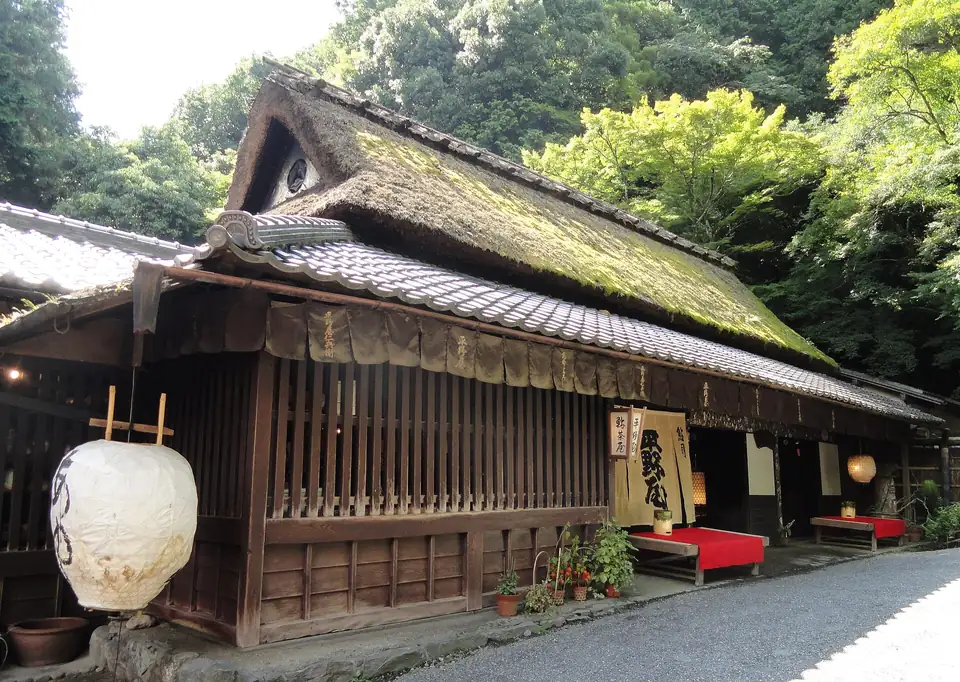
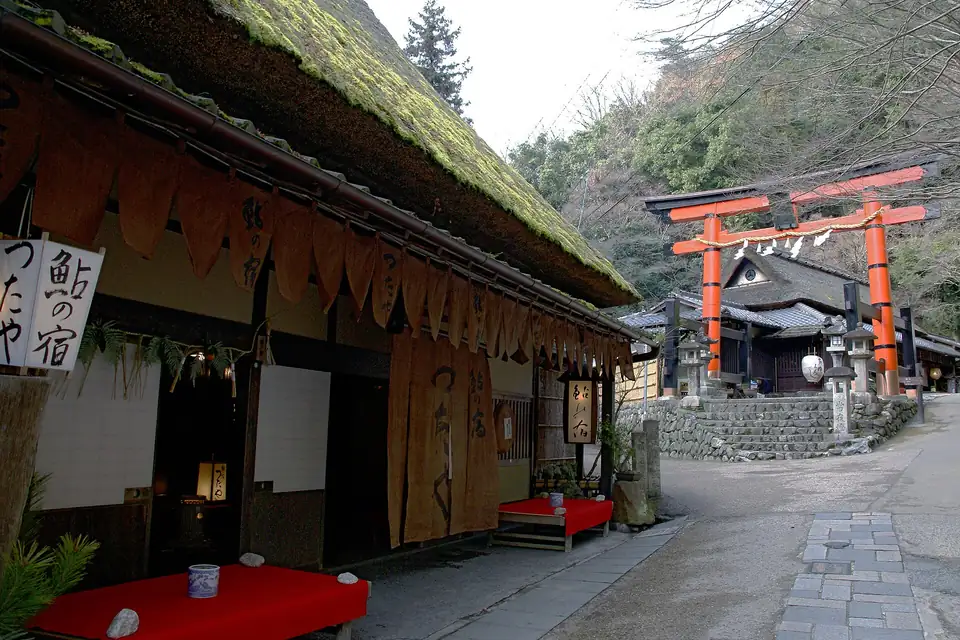
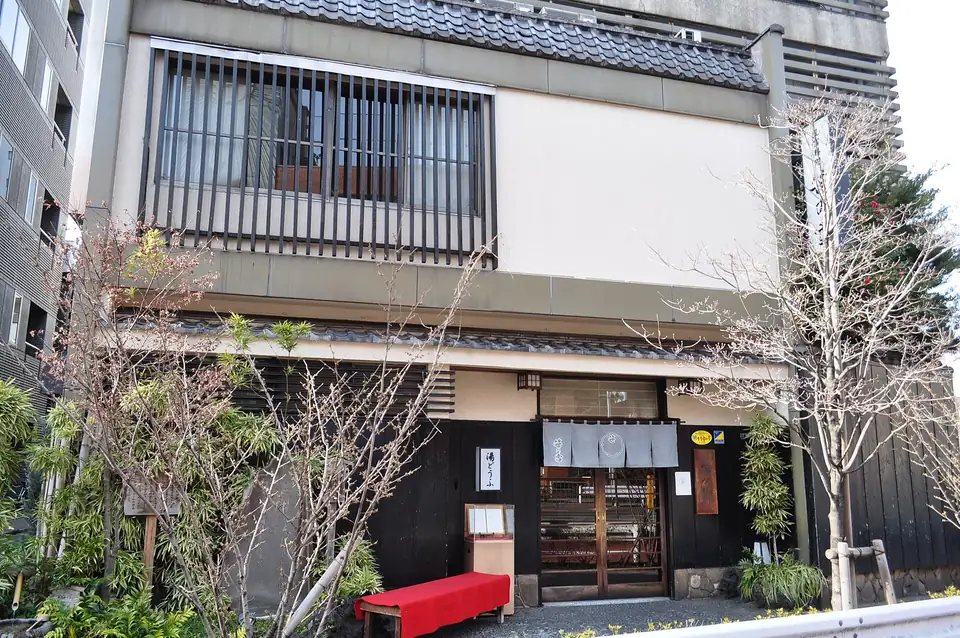
Yamabana Heihachi-jaya is a restaurant in Yamabana, northern Kyoto, open since around 1576. It began in the Tensho era (1573–1592) as a teahouse on the Wakasa Kaido road, known as the mackerel road. Barley rice with grated yam soup, once served to travelers, is still its signature dish. It later became a river-fish restaurant.
- What to try
- Barley rice with grated yam soupriver-fish dishes
- Address
- 8-1 Yamabana Kawagishi-cho, Sakyo-ku, Kyoto
- Getting there
- About 5 min walk from Shugakuin Sta. (Eizan Railway)
- At the shop
- Eat in
- Founded
- c. 1576
- Era
- Azuchi-Momoyama period
- Food
- Kaiseki & ryotei
About Yamabana Heihachi-jaya
Heihachi-jaya began in the Tensho era (1573–1592) as a teahouse on the Wakasa Kaido, the road known as the mackerel road. In the Edo period (1603–1868) it ran a teahouse that also sold groceries, and it appeared in a Kyoto guidebook published in 1780. Between the late 19th and early 20th centuries it changed from a teahouse into a restaurant serving river fish.134
Barley rice with grated yam soup, once served to travelers, is still the signature dish. Besides the lunch kaiseki (a seasonal multi-course meal), there is a barley rice and yam set and a rice bowl topped with a whole eel, which must be ordered by the day before. The well water is drawn from 50 meters underground and is said to come from Mount Hiei.123
The main house facing Kawabata-dori dates from 1797 and is listed by Kyoto City as an important landscape building. It is now used as the kitchen. The garden of about 600 tsubo (about 2,000 square meters) was laid out in the early Showa era and has flowers in every season. Without staying the night, you can use the kama-buro steam bath before or after a meal (booking needed).15
It is about a 5-minute walk from Shugakuin Station on the Eizan Railway.1
History
- 1576
Begins as a teahouse on the Wakasa Kaido road.
- 1780
Appears in a Kyoto guidebook.
- 1797
The present main house is built.
- 1970
Begins offering overnight stays.
At the shop
Compiled by our editors from public sources. We warmly welcome corrections from the shop.
For the shop: to send a correction or photos, please use this form.
Nearby
Same food
When this shop first opened
c. 1576
450 years since.
- 1482Work begins on Higashiyama-dono (Ginkaku-ji)
- 1576Founded
- 1603The Edo shogunate begins
- 2026Today
Each event on the timeline is checked against a source.
See sources
1482: 文化庁 文化遺産オンライン「慈照寺(通称:銀閣寺)」(世界遺産推薦書); 1603: 東京都都市整備局『東京の都市づくり通史』序章